Article by Kanish Krishnapradeep (Student Archivist – Trinity College Archives & Museum Team)
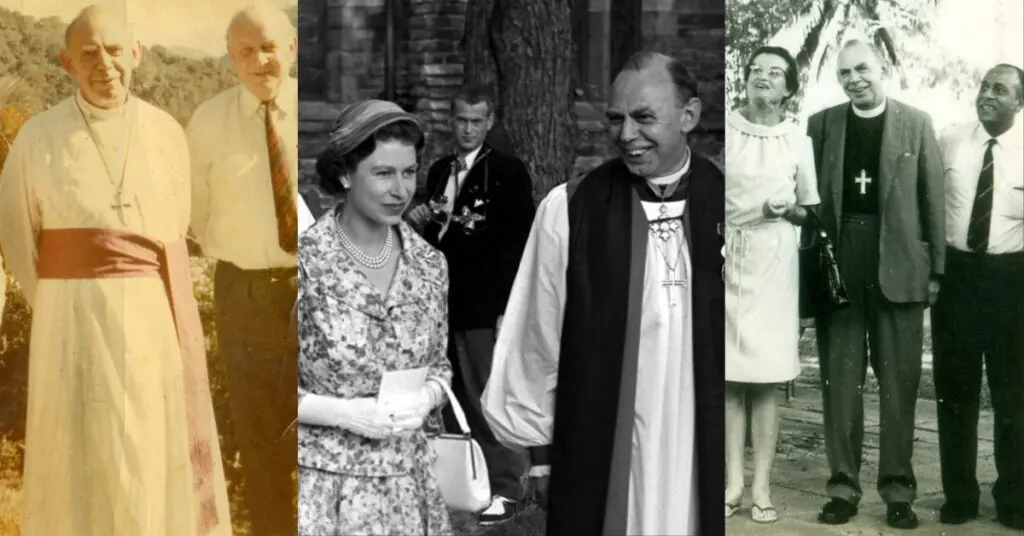
On 20 February 1901, Reverend Robert Wright Stopford was born in Garston, Lancashire. Today, we mark the 125th anniversary of his birth and remember his lasting contribution to Trinity College, Kandy.
Rev. R. W. Stopford served as Principal of Trinity College, Kandy from 1935 to 1941, a period marked by educational transition and reform in Sri Lanka. A graduate of Hertford College, Oxford, where he obtained first-class honours in Modern History and Classics, he brought intellectual clarity and steady leadership to the College.
During his tenure, he played an active role in shaping curricular change at a critical moment in the island’s educational history. Even before legislative reform required it, he supported the introduction of Sinhala and Tamil as languages of instruction in the primary school, recognising the importance of rooted, inclusive learning.
His leadership extended beyond the classroom. Rev. Stopford cleared the College’s outstanding debt to the Church Missionary Society (C.M.S.), strengthening its financial footing, and oversaw the construction of a new hall, now used as the College Main Hall. Not content to delegate entirely, he personally designed the stage and arranged the lighting, reflecting a hands-on commitment to excellence in both form and function.
He believed that education must shape the whole person. It was not unusual to see him participating in morning physical training at Asgiriya alongside the boys. Academic rigour, in his view, was inseparable from discipline, sportsmanship, and character. He expected high standards of conduct, encouraged wise use of community resources, and taught students to accept both victory and defeat with composure.
Before departing Trinity to continue his ministry in Africa, he left the College community with words that captured his philosophy: “Think Fairly, Build Bravely, Love Widely.”
Rev. Stopford went on to serve with distinction in the Anglican Church, eventually becoming Bishop of London from 1961 to 1973. He was appointed Knight Commander of the Royal Victorian Order (KCVO) in 1973, in recognition of his service.
Today, as we remember his birth anniversary, we give thanks for a Principal whose leadership helped guide Trinity through a defining chapter in its history. His influence remains woven into the life of the College, reminding us that thoughtful reform, steady conviction, and care for the whole student are marks of enduring leadership.
Source: from the Archives of Trinity College Kandy