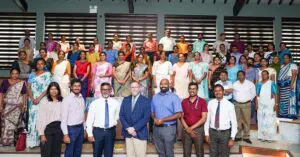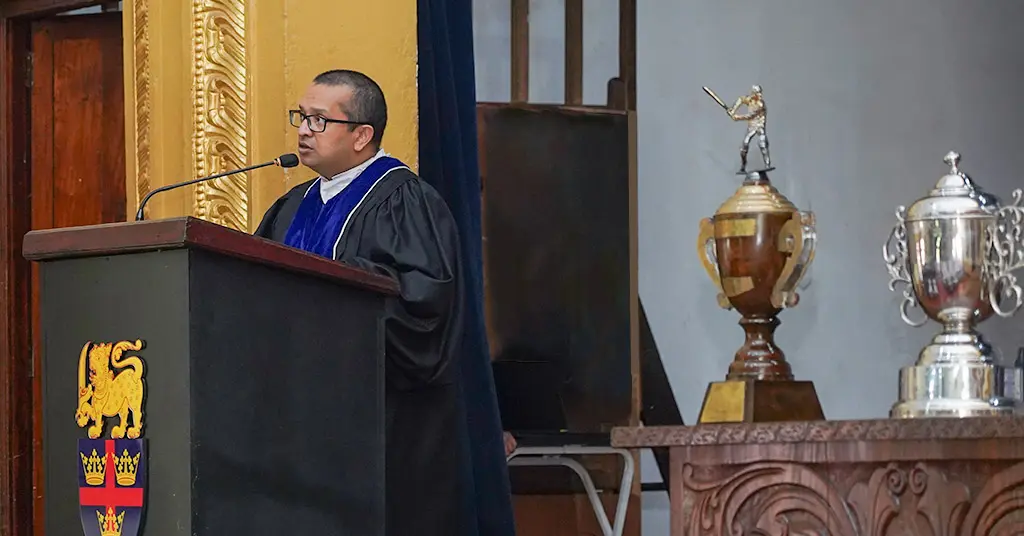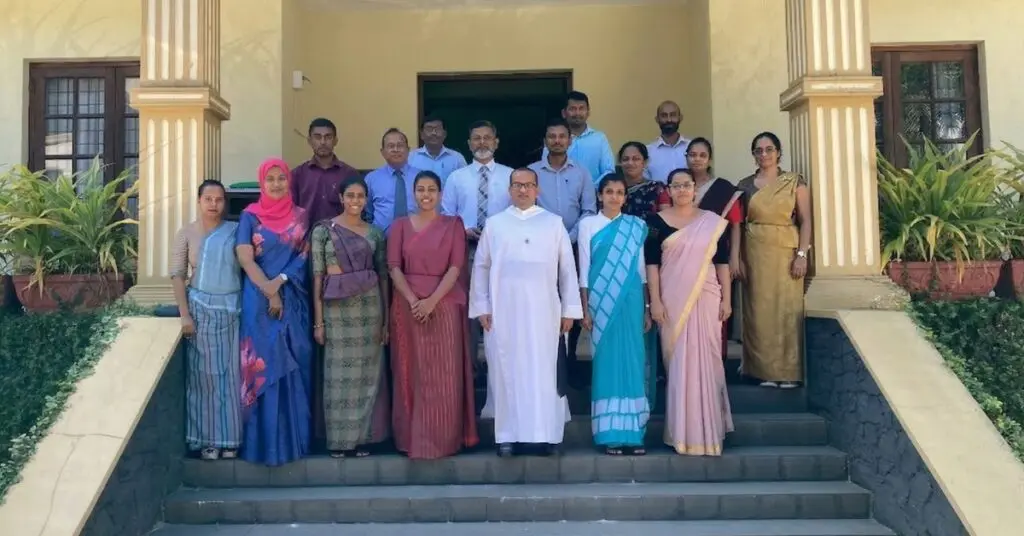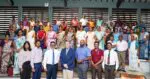



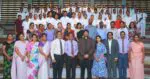
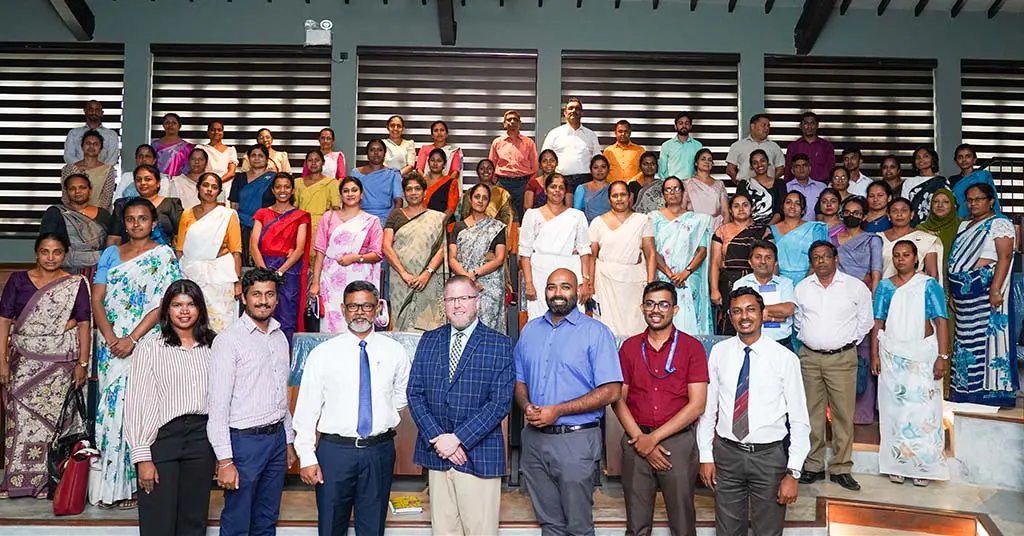
The Trinity College Centre for Excellence welcomed a gathering of 70 teachers on 16 March 2026 at the College Auditorium for the “Bridge to Success – Innovative Teaching & Workforce Skills for Tomorrow’s Leaders” session. Organised in collaboration with the American Alumni Association of Sri Lanka, the event was hosted as part of the College’s commitment to international best practices in education.
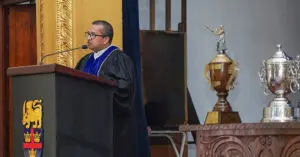
Among the delegates present was Dr Patrick McNamara, Executive Director of the United States–Sri Lanka Fulbright Commission. Drawing on more than three decades of experience working with universities, governments, and corporations, Dr McNamara addressed the gathering on the value of international academic exchange. He highlighted the role played by the Fulbright Commission in strengthening higher education opportunities and academic collaboration between Sri Lanka and the United States.
The main session was conducted by Dr Robert F. DeFinis, an educator and leadership specialist whose career spans more than two decades. Throughout the session, Dr DeFinis explored the importance of innovative teaching methodologies aligned with 21st-century skills. He encouraged educators to reflect on how classroom practice must evolve, moving toward learning environments that foster critical thinking, collaboration, and problem-solving.
A focus of the discussion was the role of Problem-Based Learning (PBL) and flipped classroom techniques in promoting student engagement. Dr DeFinis encouraged educators to act as facilitators of learning, emphasising evidence-based teaching strategies. He also spoke regarding the importance of collaborative approaches that enable students to apply knowledge meaningfully in practical contexts.
The programme provided teachers with an opportunity to reflect on how classroom practices can support adaptability and innovation, equipping students for the demands of a changing world of work.
Established in 1952, the United States–Sri Lanka Fulbright Commission has played a role in fostering educational and cultural exchange between the two countries. Through programmes supporting graduate study and research collaborations, the Commission continues to expand opportunities for Sri Lankan students and academics to engage with leading institutions in the United States.
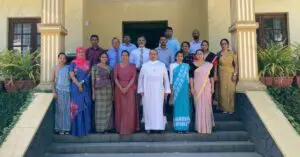
Our gratitude is extended to the Principal, Very Rev. Fr. Araliya Jayasundara (Prior OSB), for his leadership in facilitating the introduction of the Fulbright Commission to the Trinity community. Appreciation is also extended to Mr Krishanthan Antonydas, Vice Principal, Mr Ananda Marasinghe, Co-Vice Principal, and all the teachers who participated.
Finally, we thank Dr Patrick McNamara, Ms Isa Spoerry, and the Fulbright team, as well as the delegates of the American Alumni Association of Sri Lanka. Special appreciation is due to Dr Robert F. DeFinis for an impactful session that provided educators with fresh perspectives.