









On 30 October 1925, a seed was planted in the rich soil of Trinity College, one that would grow into the Young Farmers’ Club. What began as a small effort to introduce students to the discipline of agriculture has flourished into a century-long tradition of nurturing the land and the values that come with it.
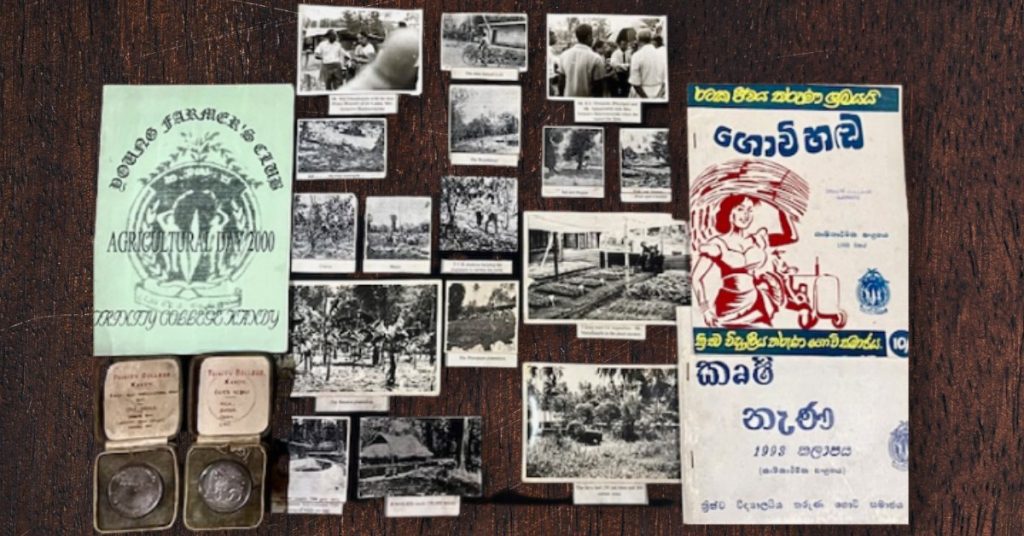
In its early years, six acres of College ground were transformed into a working farm through patience, dedication, and care. The students who toiled there learnt lessons far beyond the classroom: the dignity of labour, the value of the earth, and the satisfaction that comes from growing something with one’s own hands. Their efforts drew the attention of the Governor himself, who praised the initiative during a visit to the College.
Though the Club experienced periods of rest, much like the land between harvests, it never lost its vitality. Each revival—in 1952 and again in 1971—brought renewed energy and purpose. Under the guidance of devoted patrons such as Mr McLeod Campbell, Mr J. N. Thomas, and Mr W. Sinnathamby, the Club expanded its fields of activity, adding piggery, dairy, and large-scale cultivation. These ventures not only strengthened agricultural understanding but also instilled in students a sense of environmental responsibility and respect for nature’s gifts.
The spirit of the Young Farmers’ Club continues to live on in the values it cultivated: a respect for the earth, a willingness to work hard, and a commitment to serve with humility. Its legacy remains deeply rooted in the soil of Trinity College, inspiring generations to care for the land and for one another.
Article by: Trinity College Archives & Museum Team