






Article by Thivaharan Humrushan (Web Content Team)
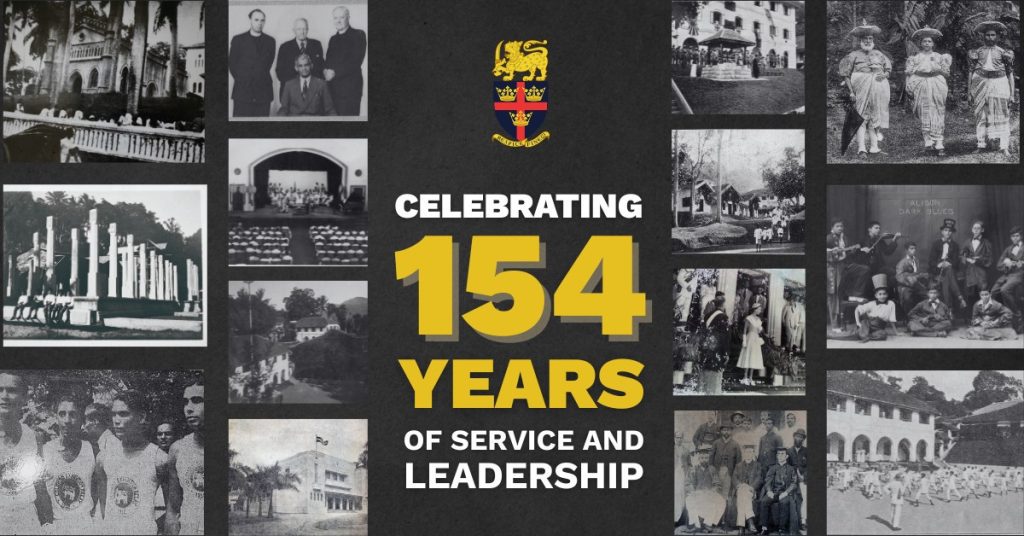
On 17 January 2026, Trinity College, Kandy proudly turns 154 years old, marking a significant milestone since Rev. Richard Collins reopened its doors in 1872.
The foundations of Trinity College, Kandy were not laid in prestige, but in a service-driven mission that continues to define the College 154 years later. On 16 October 1857, the Kandy Collegiate School was established under the Church Missionary Society (CMS), when Rev. John Ireland Jones arrived from England with a purpose that was both ambitious and targeted: to reach the sons of Kandyan chiefs and bring them under the influence of Christian education.
The Dawn of Trinity
The school was thriving by 1860, with sixty students enrolled, but Rev. Jones departed after just three years as he wished to focus solely on evangelistic activity. After a period of decline under Rev. R. B. Tonge, the school closed in 1867. However, the closure was temporary. The CMS eventually reopened the school due to strong support from Sinhalese chieftains and the Holy Trinity Church congregation.
The true founding moment of the school arrived on 17 January 1872. The CMS sent Rev. Richard Collins, M.A., from St John’s College, Cambridge, to revive the institution. Collins arrived with three skilled educators: Mr Clement Edwards from S. Thomas’ College, Mr Andrew Loos from Royal College, and Mr Perera from the Cotta Institution, who became the first three members of the Trinity College staff.
The school reopened as Trinity College and Collegiate School with forty to fifty boys, including Mr Browning’s original mission house. By the end of the year, enrolment had increased to 139 students, as prominent families from Kandy and the interior of the island recognised the quality of education offered. The latter part of the name was removed at the beginning of 1877, and the school was thereafter referred to simply as Trinity College.
Rev. Collins designed the motto Respice Finem – “Look to the End,“ in 1873. Around the same time the motto Respice Finem was established, the Principal designed the school’s original crest, which looked very different from the one used today. This initial design featured a lion couchant to represent the Sinhalese people, a sinuous line depicting Adam’s Peak, and a rising sun to signify the school’s mission to serve “Orientals”. The emblem was modified around 1878 or 1879 by removing the mountain and the sunrise and adding a palm tree to represent the Jaffnese community. Until the current crest was eventually approved in 1912, this second edition of the crest served as the College’s official emblem.
The Renaissance of Trinity – The Golden Era of Rev. Alexander Garden Fraser
Although Rev. Collins founded Trinity, Rev. Alexander Garden Fraser made it “the best school of all”. Arriving in 1904 at just twenty-six years of age, Fraser encountered a school in decline.
Fraser’s era solidified many of Trinity’s most iconic traditions, from the founding of the School Officers’ Guild and the Ryde Gold Medal to laying the foundation stone of the College Chapel, designed by Rev. J. L. Gaster. This period also saw the birth of the College Song in 1923, with lyrics by Sir Henry Newbolt and a tune from Wesley College, Melbourne.
Fraser’s writings reflect a man unafraid to be different. He stated,
“I want our boys to be fluent in their mother tongue, to know their culture, yet to have a global outlook.”
In keeping with this vision, he introduced Sinhala and Tamil into the curriculum decades before such inclusion was mandated nationally.
His departure in 1924 left a lasting influence on the College. The Fraser Memorial Oration, which invites eminent speakers to honour his vision, continues to be held annually. As one historian noted, “Fraser’s actions were always calculated to produce long-term gains, often ahead of the times.”
Growth of Trinity
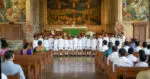
Following the Fraser era, the 1930s saw the architectural completion of the Chapel, a masterpiece blending Kandyan artistry with British tradition that remains the College’s heart and soul. A significant milestone during this period was the visit of Queen Elizabeth II in 1954.
By the twentieth century and in the decades that followed, Trinity became renowned for producing eloquent speakers, talented athletes, and principled leaders.
Building for the Future
Reflecting a commitment to climate-conscious action, the College benefited from a renewable energy initiative generously led by the Batch of 1992 in 2017. The solar power project now supplies a significant share of the College’s electricity through clean energy, reducing its carbon footprint while supporting sustainable campus development.
The Trinity150 Infrastructure Initiative, launched in preparation for the 150th Sesquicentennial Anniversary in 2022, represented a systematic effort to restore Trinity to its former glory. This initiative included the restoration of Napier House and the renovation of the Quadrangle, the restoration of the Alison Boarding House, the construction of the Abeyratne-Jeyaraj Block, and the construction of a new Science Block, designated as the T150 Sesquicentennial Anniversary Building, featuring advanced laboratories and an air-conditioned auditorium.
Another major undertaking during this period was the publication of ‘The Trinity Story’ book, alongside the launch of the Trinity Digital History website. These efforts were complemented by the digitisation of the entire Archives and Museum Library, ensuring that the College’s history remains accessible to future generations.
Further strengthening the spiritual life of the College while preserving its architectural heritage, the Chapel Restoration Project was undertaken and concluded at the end of 2025. This comprehensive effort included the restoration of the historic murals and wooden carvings, repairs and renovations to the roof, and the introduction of heritage-sensitive lighting. Guided by expert oversight, the project has ensured that the Trinity College Chapel continues to serve as a place of worship, reflection, and assembly for future generations.
Amidst its goals for 2026 and the years ahead, the College has strengthened its focus on digital learning through the establishment of the AI and STEM Lab, supporting the responsible use of emerging technologies in education. In parallel, students and staff have been provided access to multiple digital creative platforms such as Canva, Adobe Express, and Autodesk. To further support digital learning, all classrooms have been equipped with smartboards and reliable internet access, enabling more interactive and engaging teaching practices. The College has also recently expanded its school-wide network infrastructure to strengthen connectivity, capacity, and long-term digital readiness. Together, these initiatives broaden creative, design, and technical learning opportunities across the curriculum, reinforcing the College’s commitment to holistic education and future-ready learning.
The upcoming Badminton Courts Complex initiative at Asgiriya Stadium further reflects the College’s forward-looking approach, providing year-round training facilities and strengthening long-term sporting infrastructure.
The College has also made significant strides in strengthening its digital footprint, now guided by PROMWEB, an integrated administrative team that oversees College promotions, the official website, social media presence, and media unit activities, ensuring consistency, clarity, and wider engagement across platforms.
The College community is grateful to the many donors, well-wishers, Old Boys, parents, and friends who have contributed to these initiatives in different ways. Through financial support, professional expertise, guidance, and encouragement, their support has helped strengthen the College and carry its mission forward for future generations.
Trinity Today
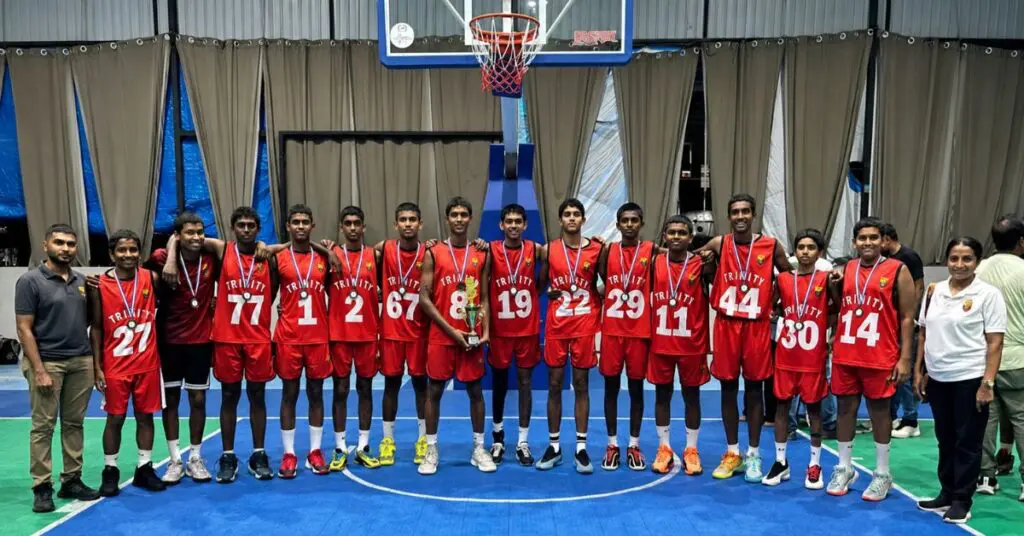
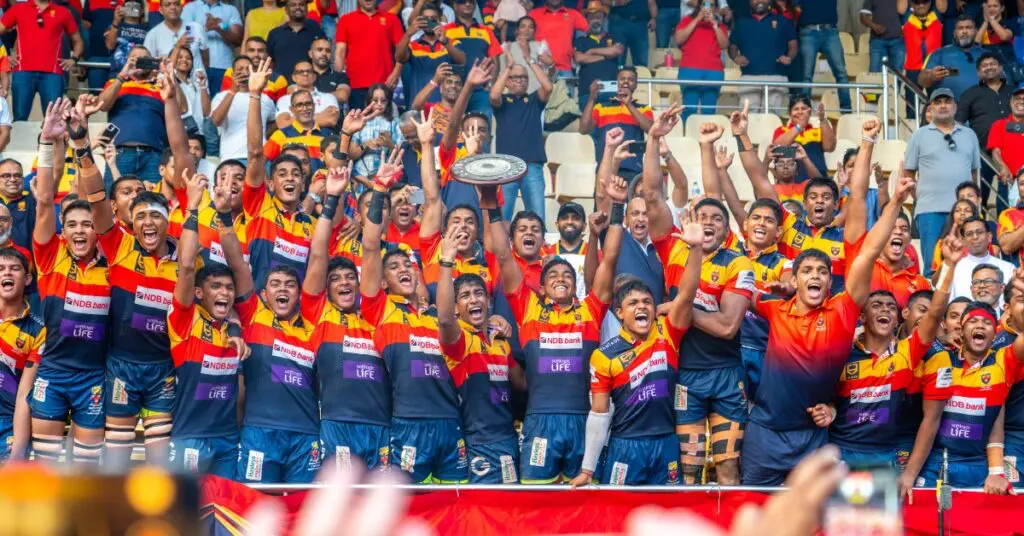
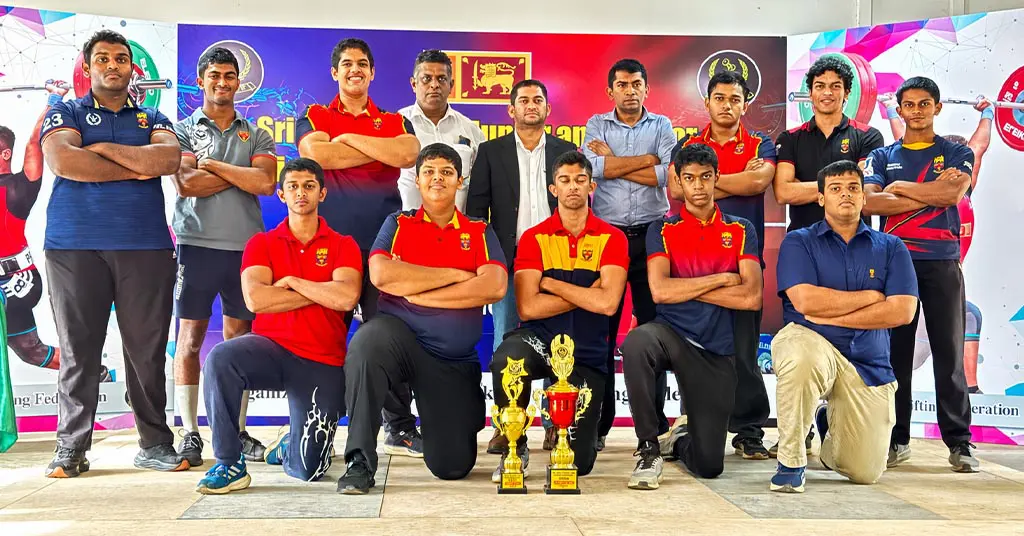
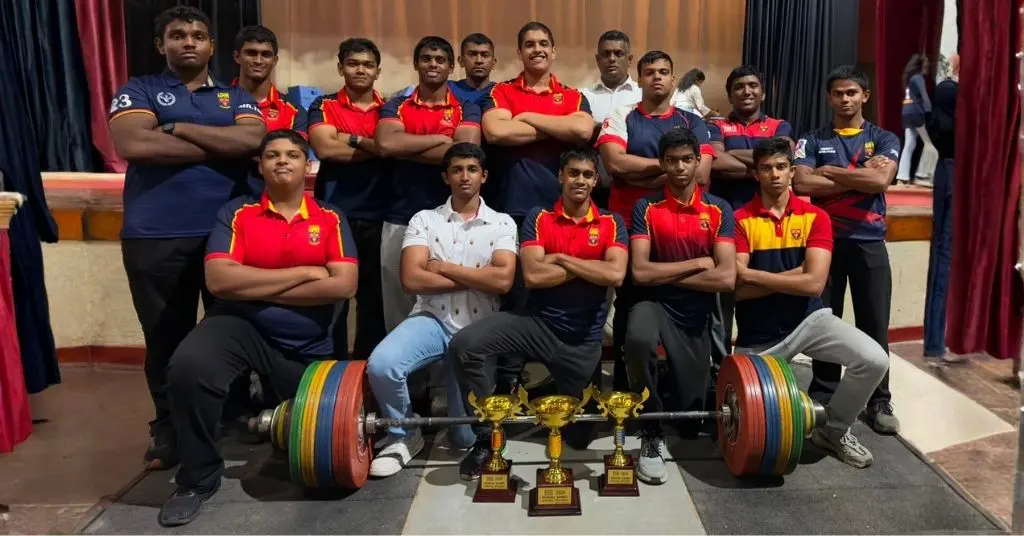
Through deliberate infrastructure development, Trinity College, Kandy continues to advance modern sporting achievement. Alongside district football titles, karate achievements, and continued success in cricket and rugby, the growth of swimming, basketball, and weightlifting as emerging sports has further strengthened the College’s sporting culture.
The College also sustains academic excellence through strong national G.C.E. Advanced Level results and global university placements across Pearson Edexcel and local curricula. Smartboards across the Junior, Middle, and Upper Schools support interactive learning, while the re-launched Centre for Excellence nurtures critical thinking, multilingual proficiency, and a service-oriented outlook among students.
Beyond academics and sport, the College continues to place strong emphasis on extra-curricular engagement as an essential part of student development. The recently introduced Trinity College Co-Curricular Engagement Initiative (TCCEI) seeks to strengthen and align all clubs and societies, ensuring they remain relevant, meaningful, and beneficial to students while supporting the College’s overall growth. Through activities such as drama, singing, music, literature, debating, art, public speaking, and social service, students are encouraged to explore their interests, develop confidence, and contribute positively to the wider community.
As Trinity steps into its 154th year, its continued progress is shaped by a shared sense of responsibility among Principals, staff, students, and Old Boys. Every Trinitian, past, present, and future, carries a part of the College’s reputation and values from one generation to another, both within and beyond its walls. Guided by faith and a clear sense of purpose, the College continues to shape young men prepared to lead with integrity, service, excellence, and resilience.
“If the aim of education is any other than the production of efficient instruments and intelligent flunkies, our efforts should take three distinct lines: the fostering of the spirit of truthfulness and reverence in the boy, the fostering of the sense of compassion and mercy, and the fostering of the sense of self-respect.” – C. N. Lemuel (T.C.K. 1914–26)
Respice Finem.