










Reviewed by Ashen Wijesinghe (Web Content Team)
The ancient city of Kandy recently saw a surge of devotion unlike any in the recent memory. Over 1200,000 pilgrims of all ages journeying from every corner of the island, eager to pay homage to the rare exposition of the Sacred Tooth Relic of the Lord Buddha, at the Sri Dalada Maligawa, thronged the city, in a span of 10 days.
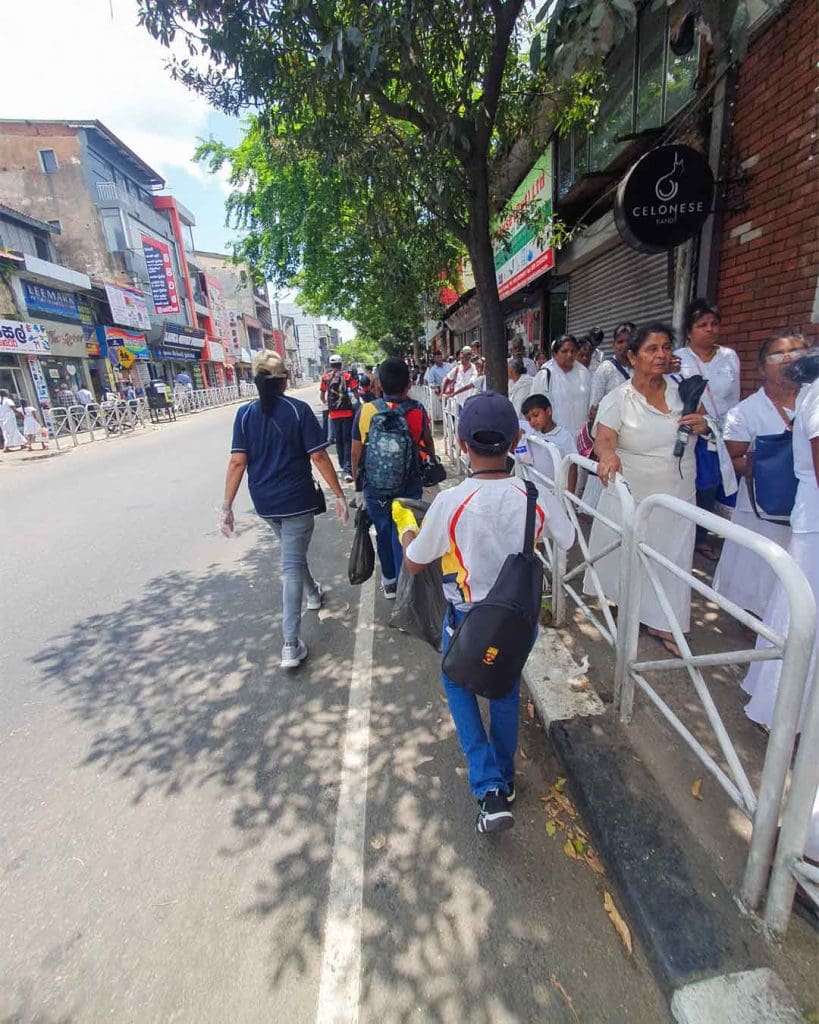
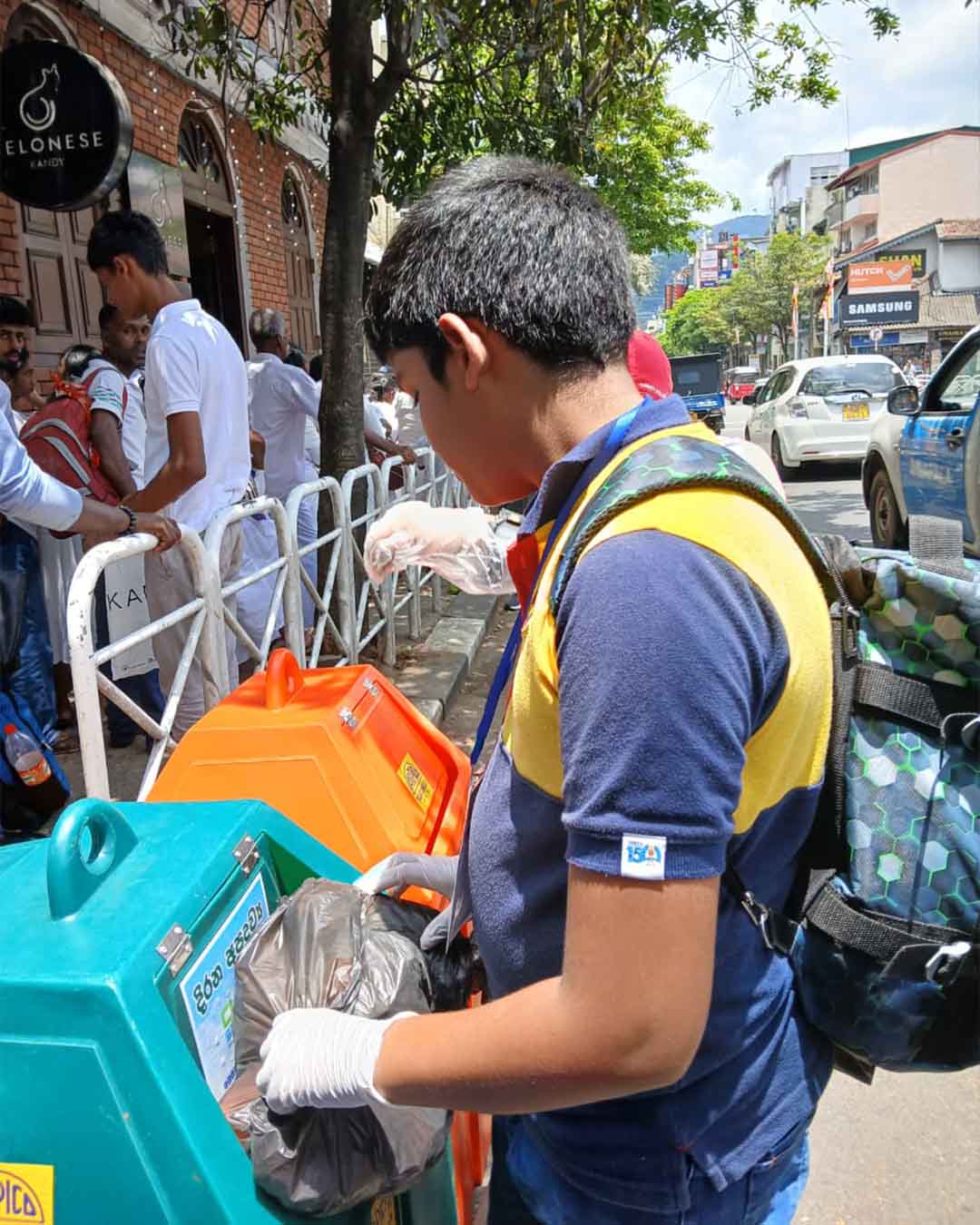
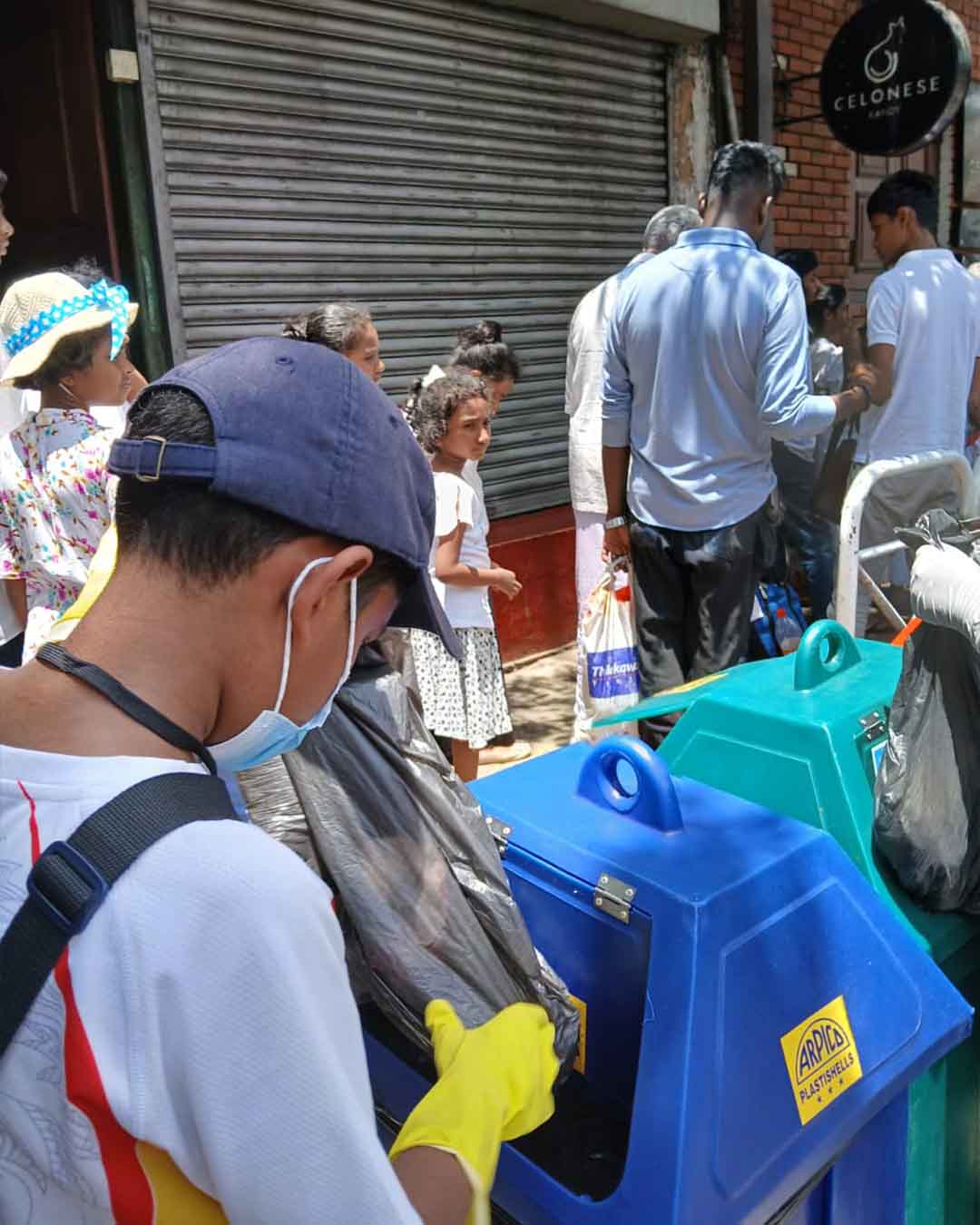
The sheer number of visitors, in a powerful display of unity, inevitably left Kandy in a little less its usual pristine self. Mindful of the potential impact on the environment, the local educational authorities joined forces with the Kandy Municipal Council to launch a week-long cleanup initiative – a practical act of service following the spiritual outpouring.
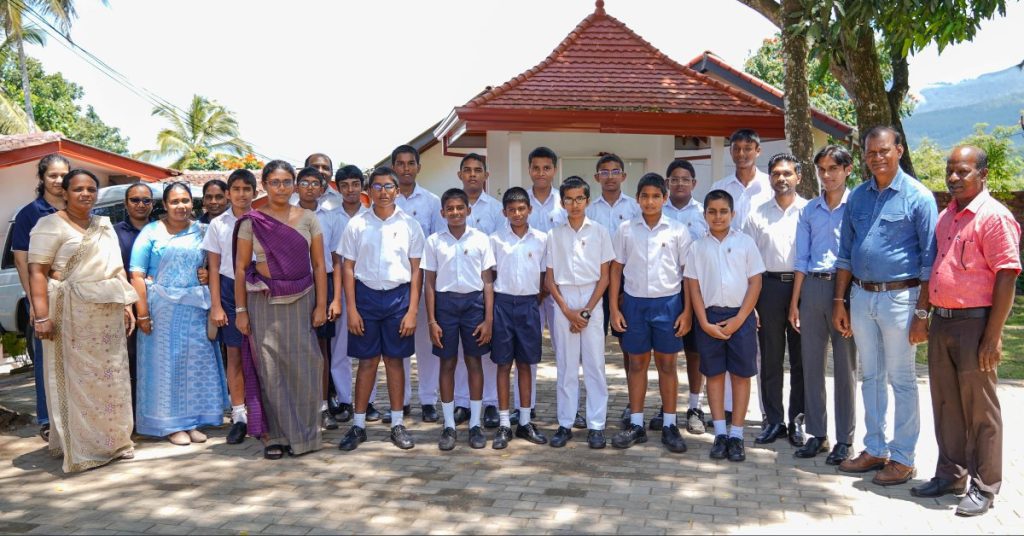
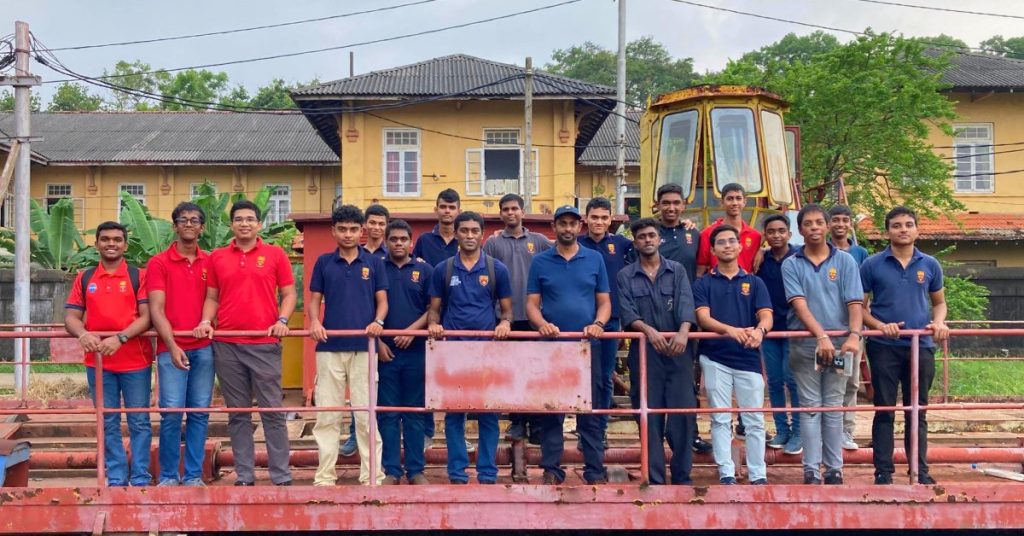
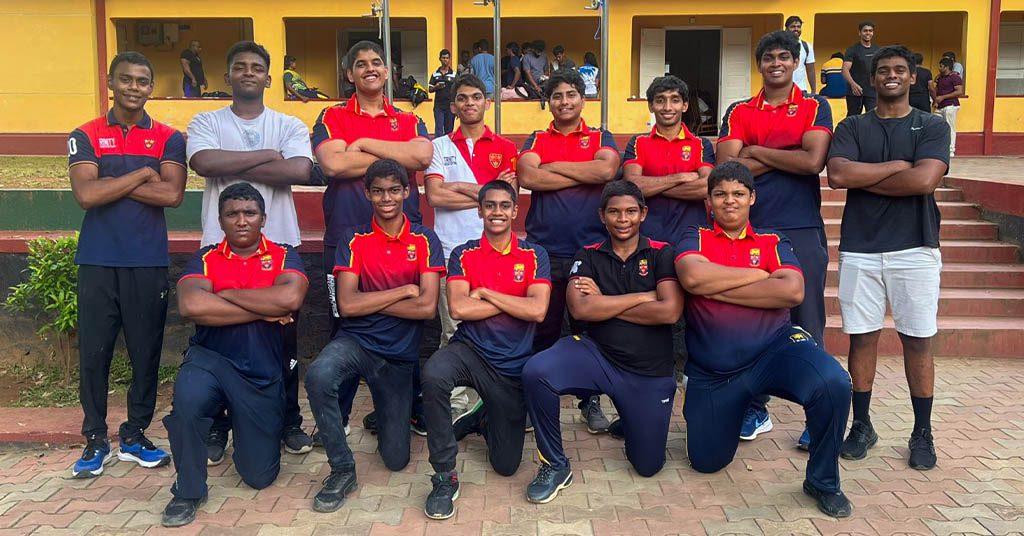
Stepping forward with admirable enthusiasm, the Environmental Pioneer Brigade of Trinity College Kandy reacted to this call to action on April 21st. A dedicated group of young environmentalists took to the streets, focusing on a cleanup along the D.S. Senanayake Road and the area in front of Vidyartha College. Led by the TIC Mrs Nimesha Wimalasena and closely supported by Mr. Wimal, the team – comprising masters M.B.Y Peris, K.W Atupalage, P.A.W.Y Bandara, Insitha Jayasiriwardane, Umasha Himahansa, Okith Wickramasinghe, Nimuthu Pathiraja, and Ashen Wijesinghe – rolled up their sleeves for action. Their collaboration represented a tangible commitment to the community and our environment, indulging a point of view to the public that such actions underscore the idea that reverence for something sacred should extend to a respect for the natural world.
As the pilgrims have now returned to their homes, Kandy is gradually returning to its usual self with its regular number of citizens. However, the positive impact of the cleanup initiative, spearheaded by the collaborative efforts of local authorities and the energetic spirit of the Trinity College Environmental Pioneers, along with a few other schools in Kandy, also had won hearts of thousands of people who considered it as an appreciable movement. It serves as a heartening reminder that even after moments of intense collective experience, the community’s dedication to its well-being and the preservation of its environment remains a strong and vital force.