The Chapel of Trinity College, Kandy
A masterpiece of Sri Lankan architecture and Christian tradition
Where the Story Begins
From early sketches to the laying of the first stone in 1922, the Chapel grew from hope, craft, and imagination.
Read More
Architecture Rooted in Craft
The architecture draws from Anuradhapura, Polonnaruwa, and the great halls of the Kandyan kingdom.
Read More
Art that Speaks Across Cultures
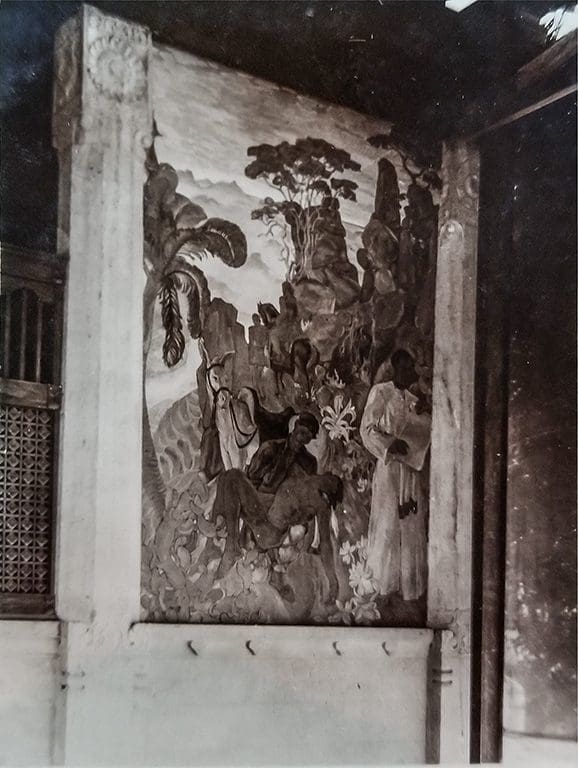
David Paynter’s murals bringing Biblical stories into Sri Lankan landscapes
Read More
A Living Centre of Worship
Choir, community, and tradition shaping generations of Trinitians
Read More
A Bell from 1660, Still Ringing Today
This 365-year-old bell travelled from England to find its place above the Chapel.
Read More
Visit the Chapel
The Chapel is open to visitors by request and welcomes those seeking peace and stillness.
Read More
Help Preserve the Chapel
Your support safeguards its murals, stonework, and history for generations to come.
Read More

A Sanctuary of Heritage and Faith

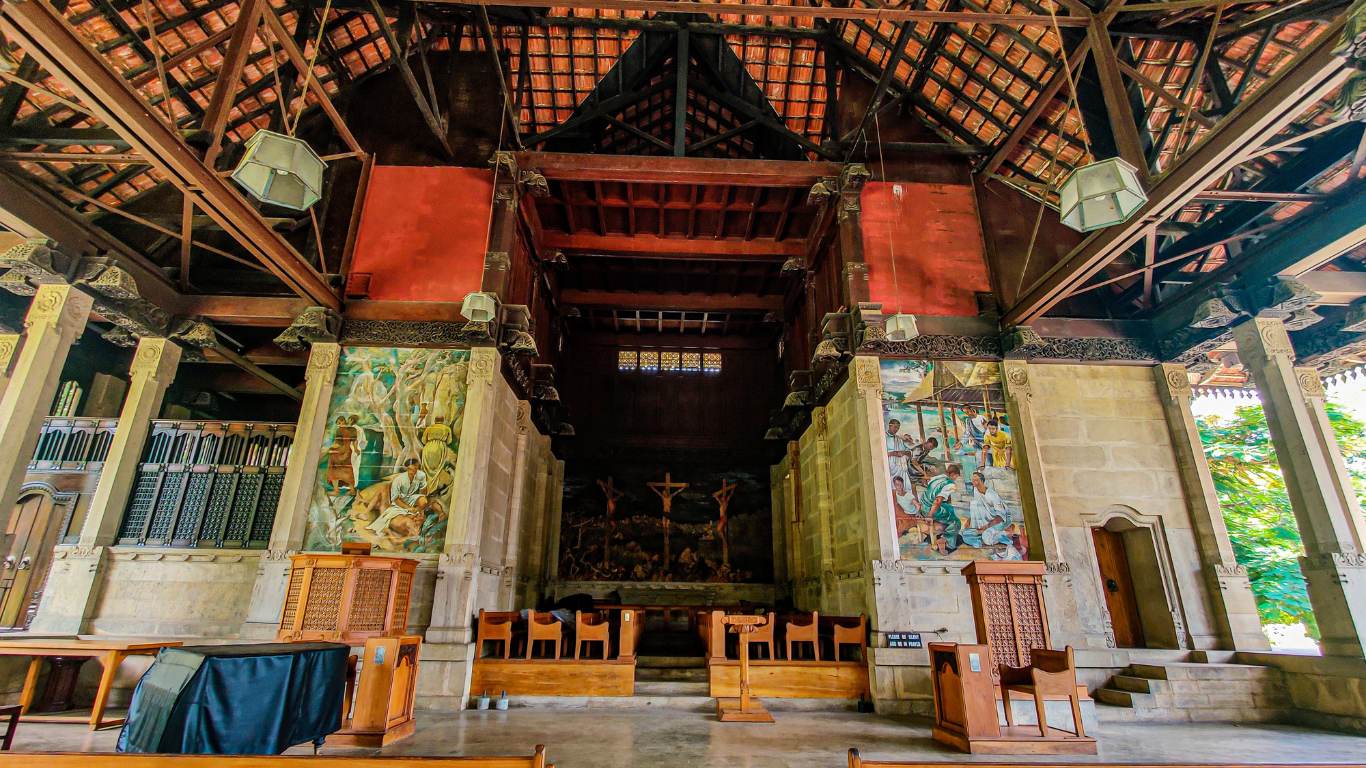
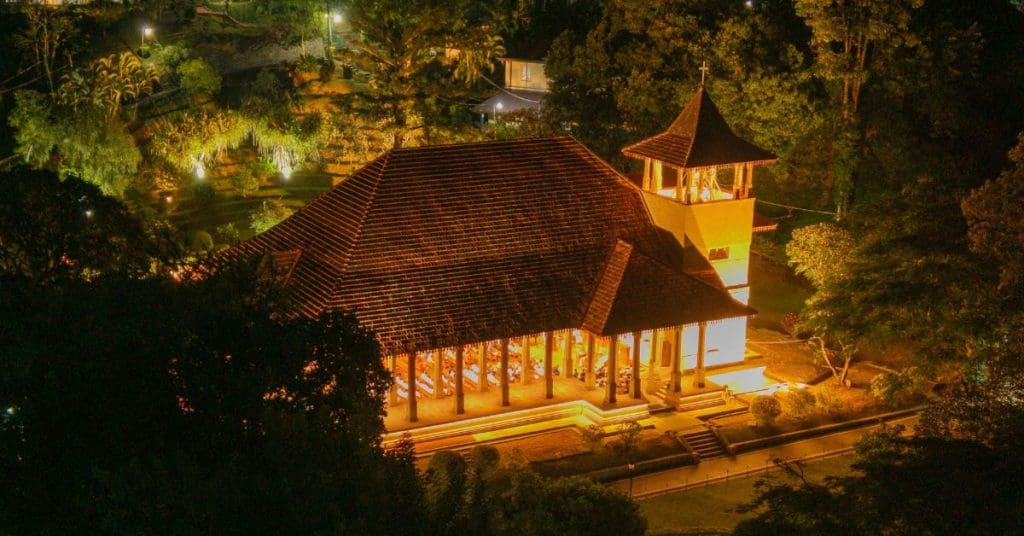
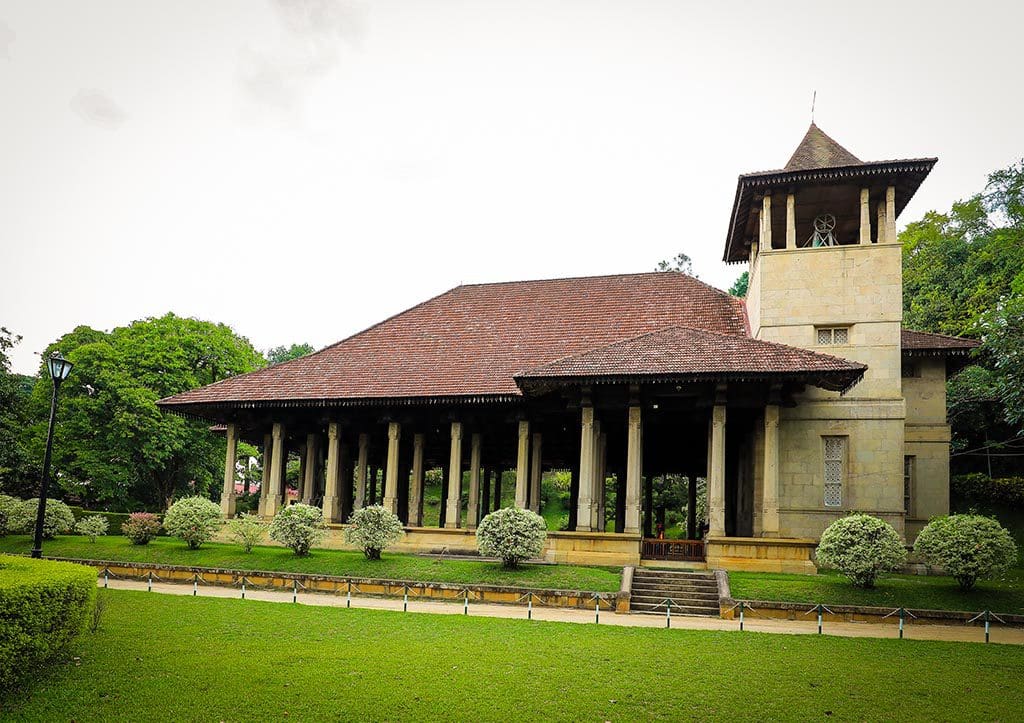
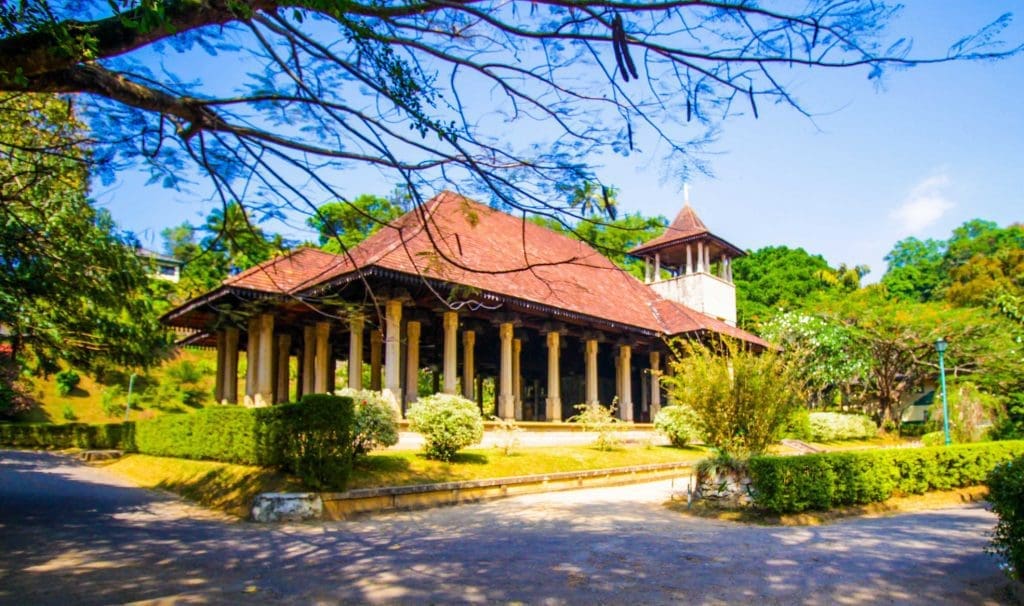
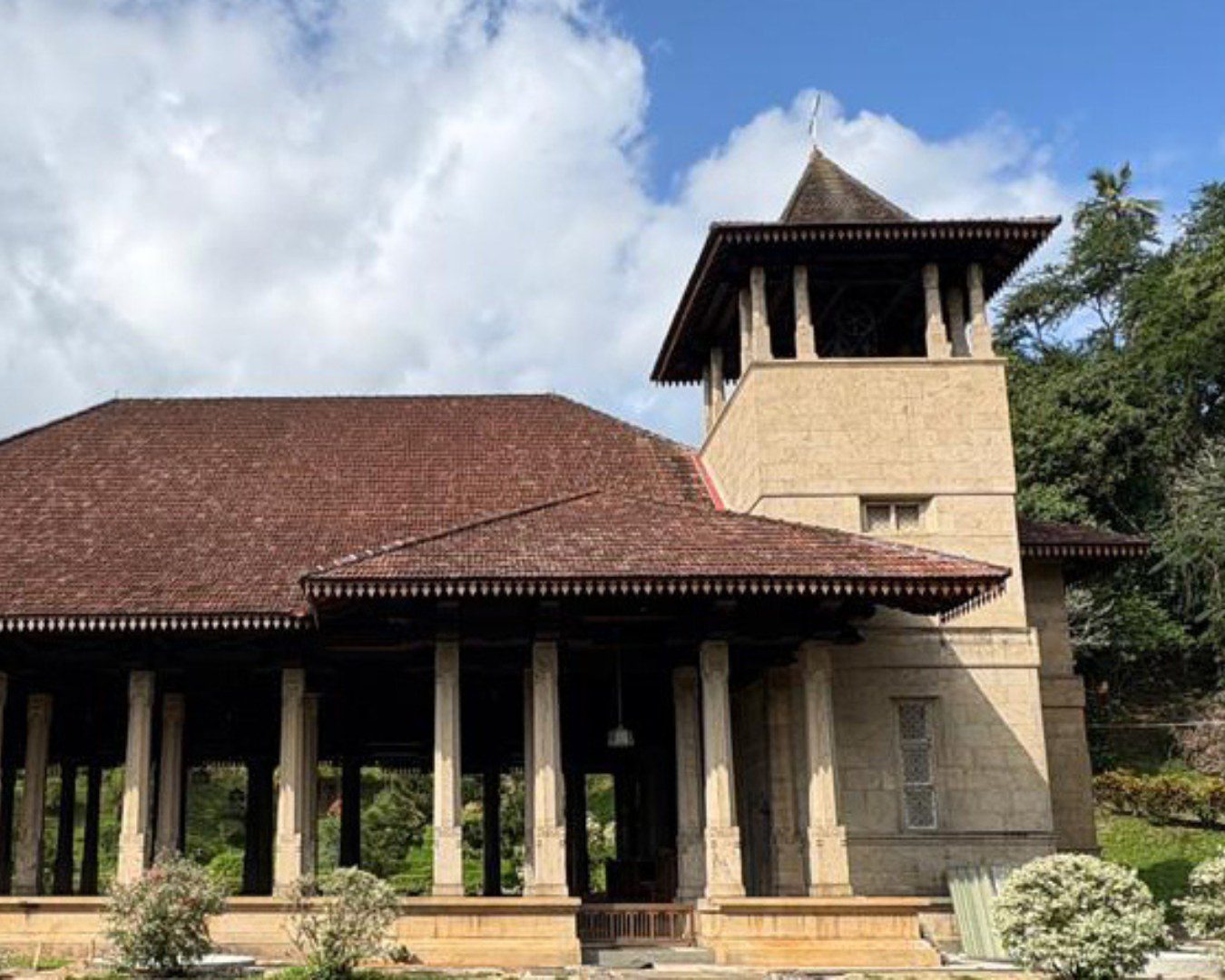
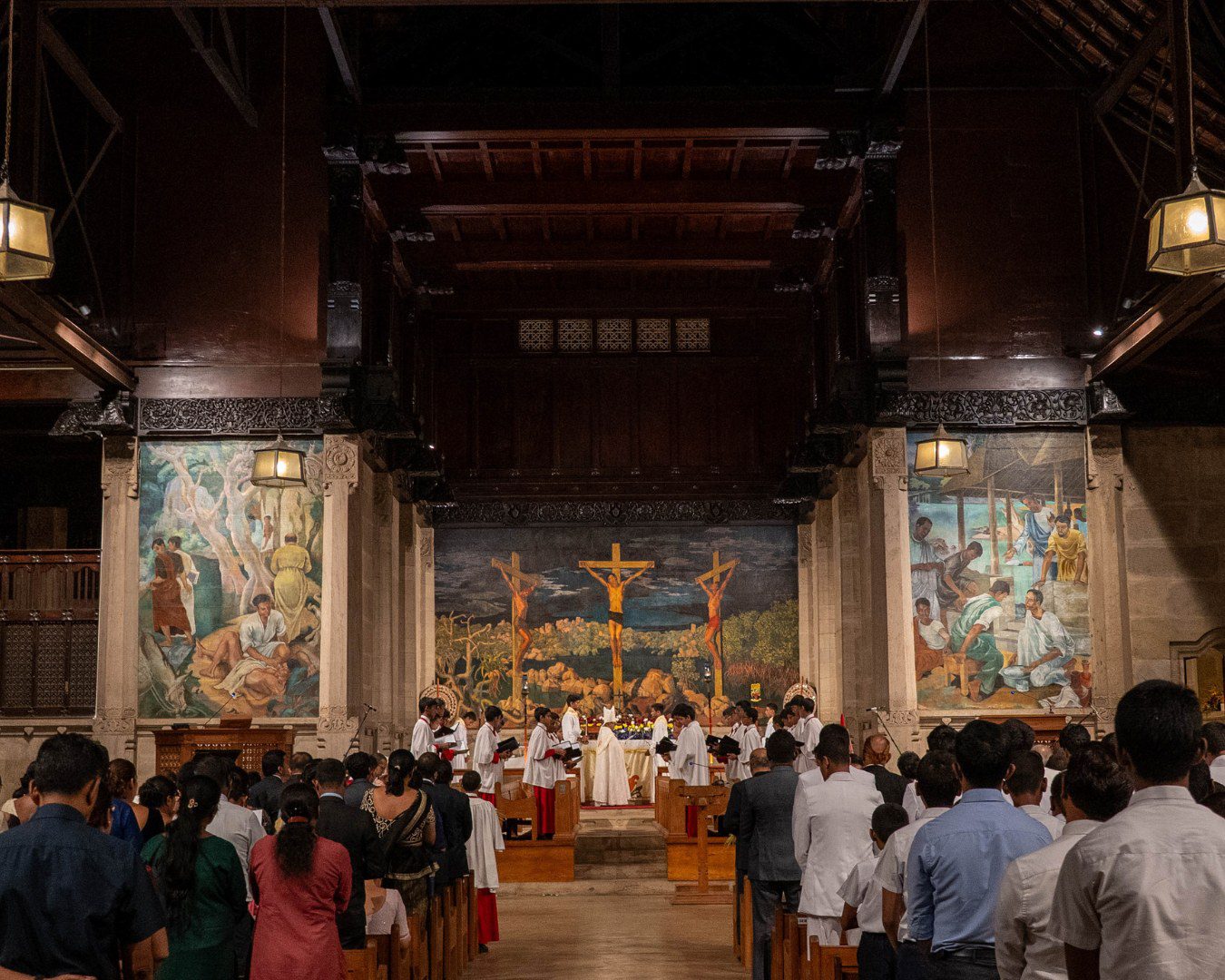
Nestled on a hill overlooking Kandy, the Trinity College Chapel is one of Sri Lanka’s most admired architectural and spiritual landmarks. Built between 1922 and 1935, it blends ancient Sri Lankan craftsmanship with Christian tradition, creating a space open to wind, light, and the natural beauty around it. Visitors from around the world come to experience its forest of hand-carved granite pillars, its Kandyan roof soaring above the landscape, and its murals that imagine Biblical stories through a distinctly Sri Lankan lens.

What is the Historic, Cultural and Architectural significance behind the Chapel of Trinity College Kandy? Listen to our deep dive podcast below!

How the Chapel Came to Be

THE HISTORY

Step into the past and trace how a simple idea, shaped by faith and vision, grew into one of Trinity’s most cherished places.

Explore the History

A Chapel Without Walls

THE ARCHITECTURE

Take a closer look at the stone, woodwork, and open spaces that give the Chapel its calm, unmistakable character.

See the Architecture

The Work of David Paynter

THE MURALS

See how Paynter brought familiar landscapes, faces, and light into stories that are centuries old.

View the Murals

The Chapel of the Light of the World

THE SIDE CHAPEL

Visit the small, peaceful space where the Chapel’s story took root and where Paynter painted his first mural here.

Visit the Side Chapel

A tower with its own journey

THE VESTRY AND THE BELL TOWER

Follow the remarkable path of a 1660 village bell that found its new voice on a hill in Kandy.

Explore the Bell Tower

British Crests on the Pillars

COAT OF ARMS

Look closely at the carved emblems that honour the British schools who helped bring the Chapel into being.

View the Crests

A living tradition

WORSHIP AND COMMUNITY LIFE

Discover how music, prayer, and student life continue to shape the Chapel’s daily rhythm and spirit.

Discover Chapel Life

For those who wish to come

VISITING THE CHAPEL

Read how to visit the Chapel and experience its peace and character at your own pace.

Plan Your Visit

Support Its Future

DONATIONS

Help care for this beloved place so it can continue to welcome and inspire generations ahead.

Support the Chapel

Chapel News

Chapel Events

Chapel Articles

The History

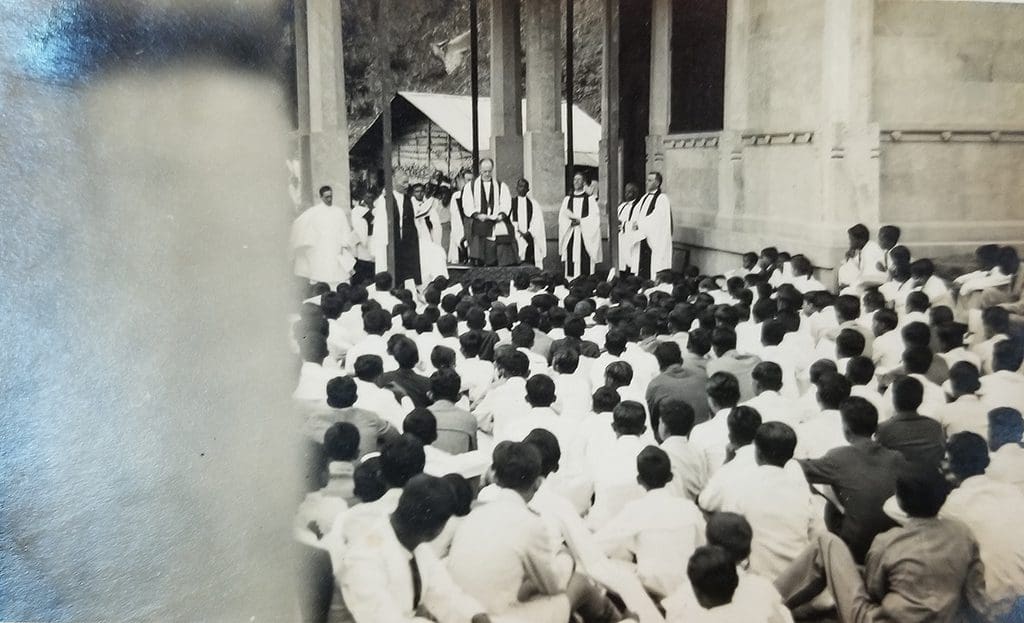
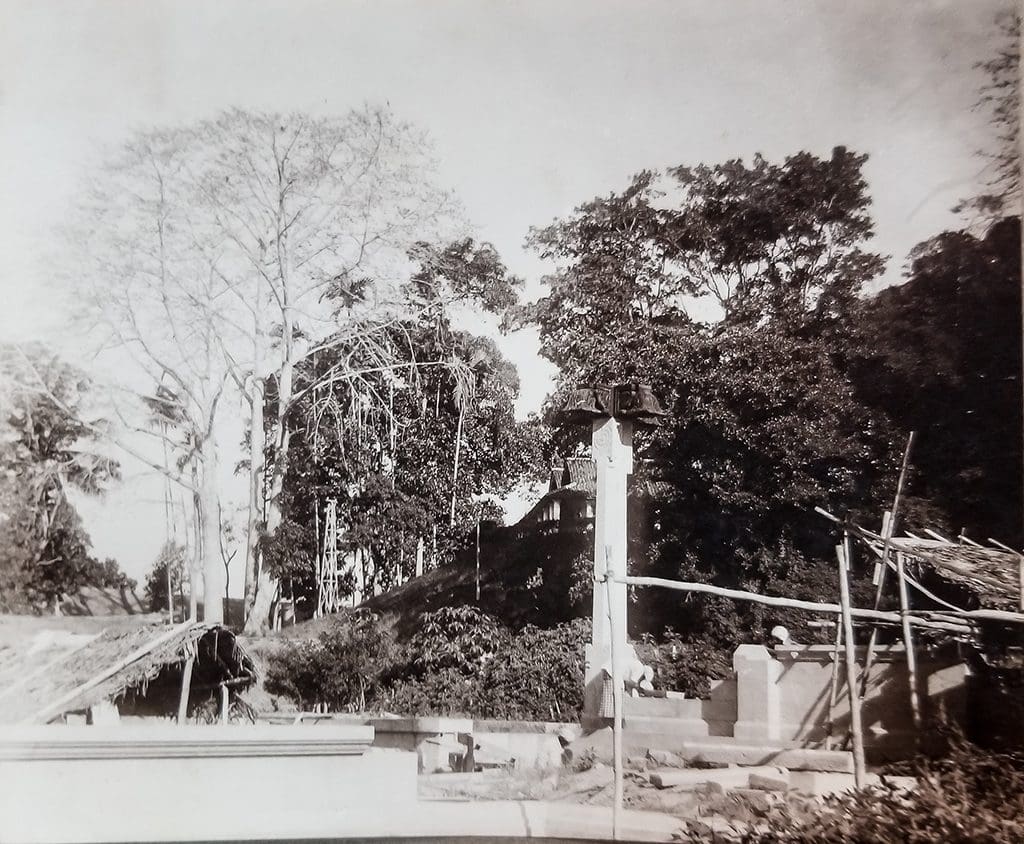
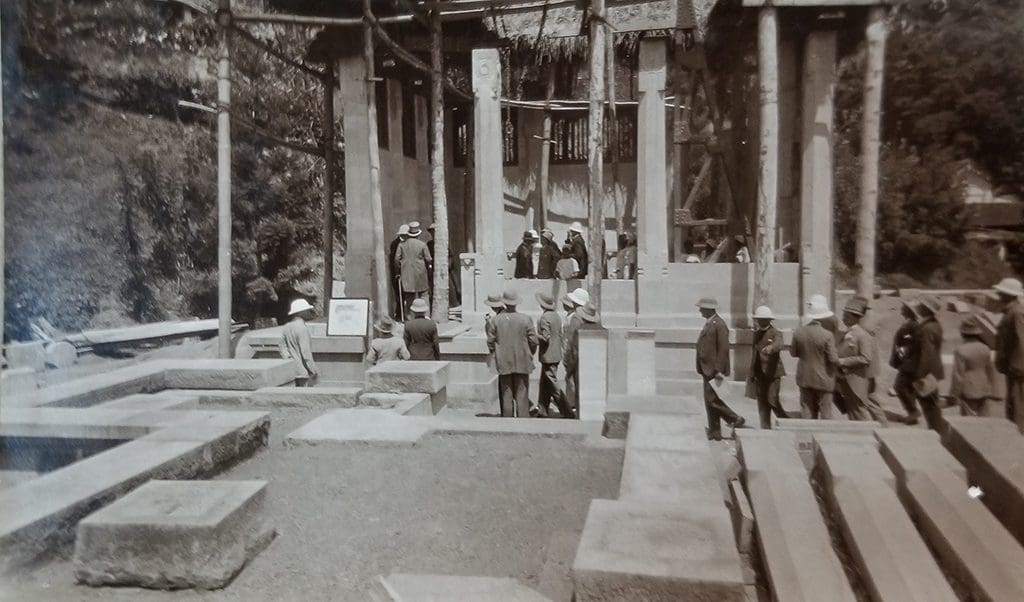
The story of the Trinity College Chapel begins in the early 1920s when the school’s leaders, Rev. A. G. Fraser and Rev. L. J. Gaster, set out to create a place of worship that was completely unique in Sri Lanka. At that time many colonial churches were built in European styles. Fraser and Gaster chose a different vision. Both were deeply moved by the beauty of ancient Sri Lankan architecture, particularly the audience halls at Embekke, the Temple of the Sacred Tooth Relic, and the monumental stone structures of Polonnaruwa and Anuradhapura.

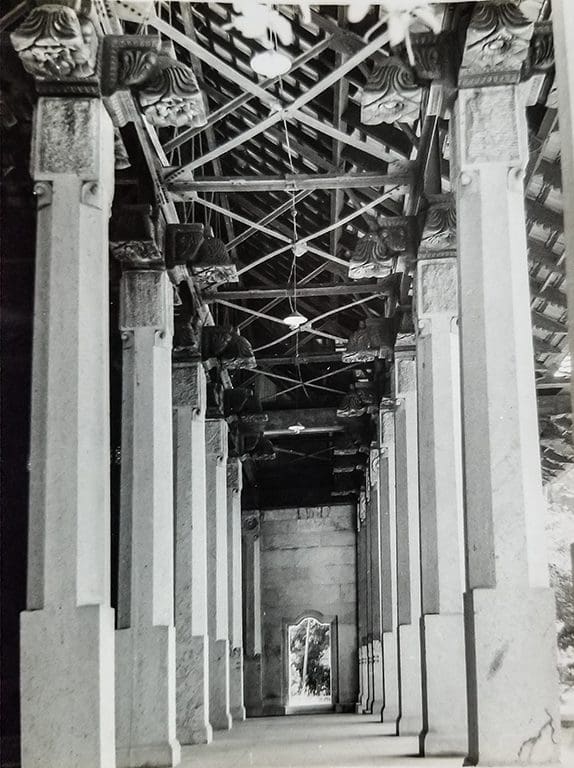
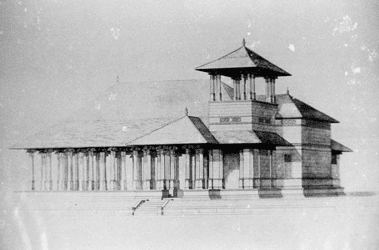
Rev. Gaster, who was trained as an architect and draughtsman, believed that the Chapel should express the ideas and aspirations of the island and be built in a truly local style. His drawings imagined a building rooted in Sri Lankan identity: a forest of granite pillars, a raised stone platform, and a broad Kandyan style roof that opened the Chapel to the wind, the hills, and the changing light of Kandy.

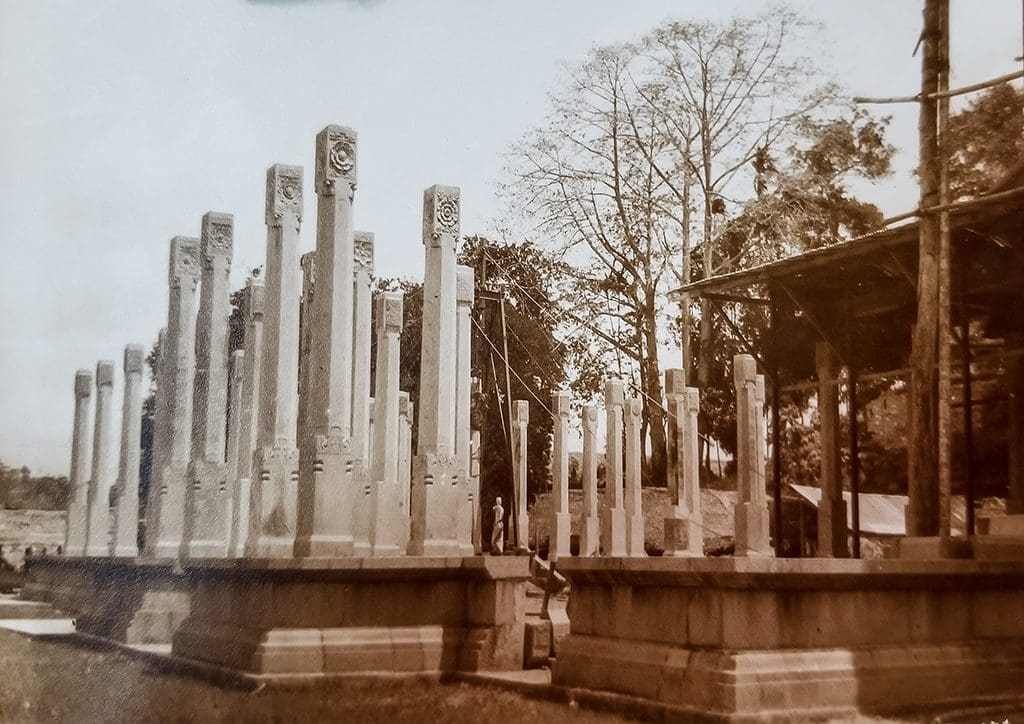
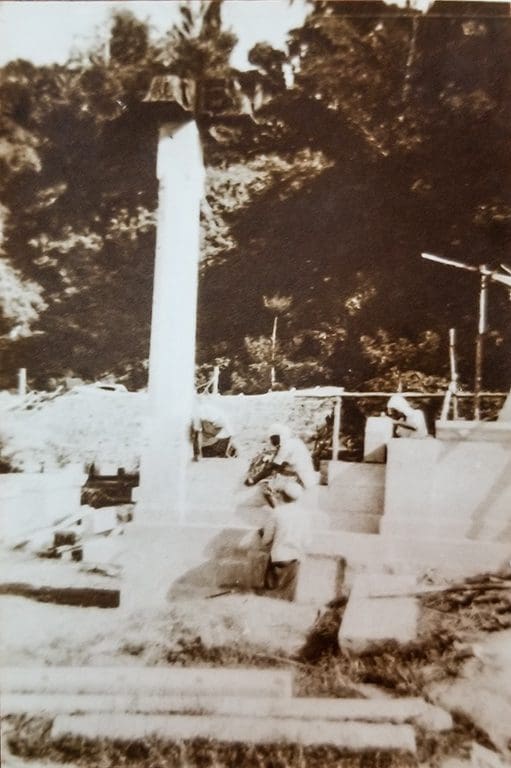
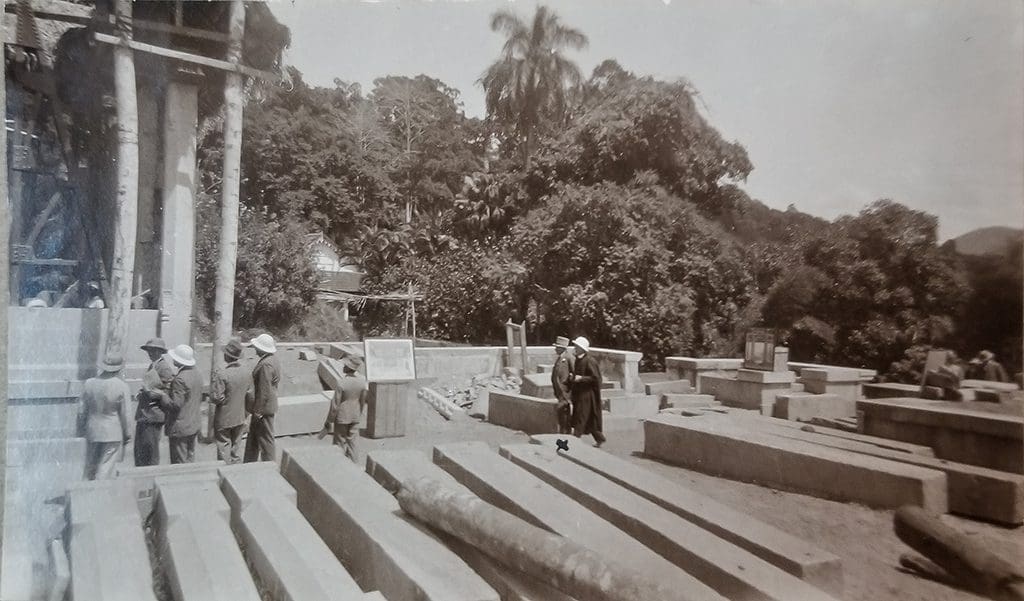
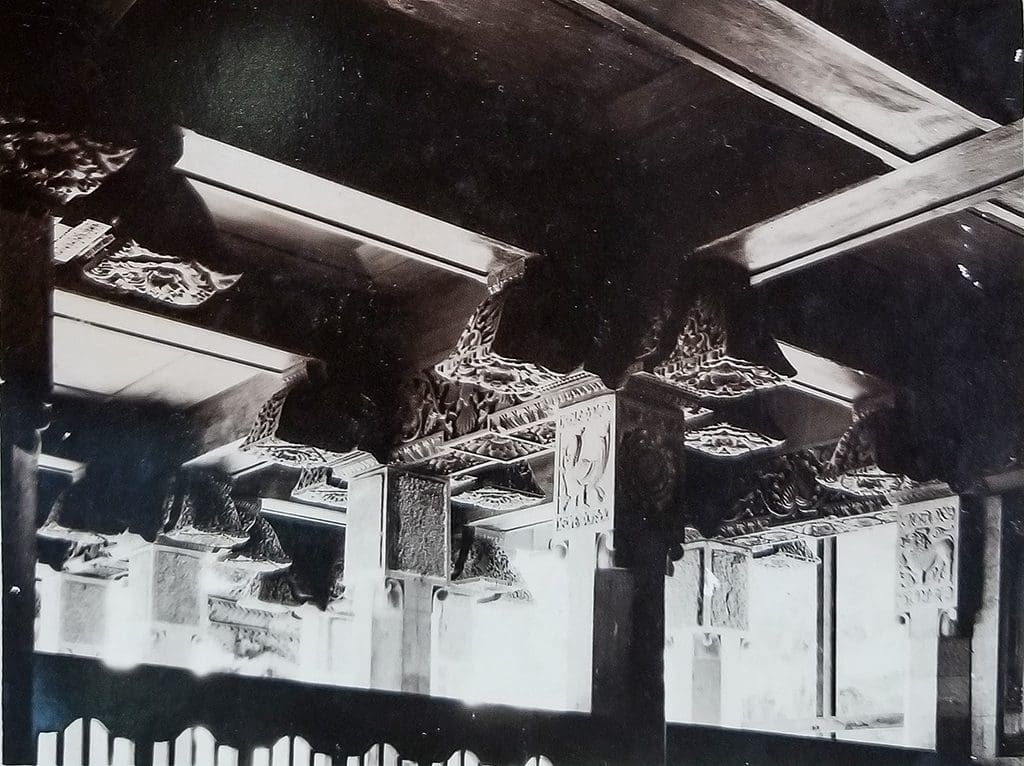
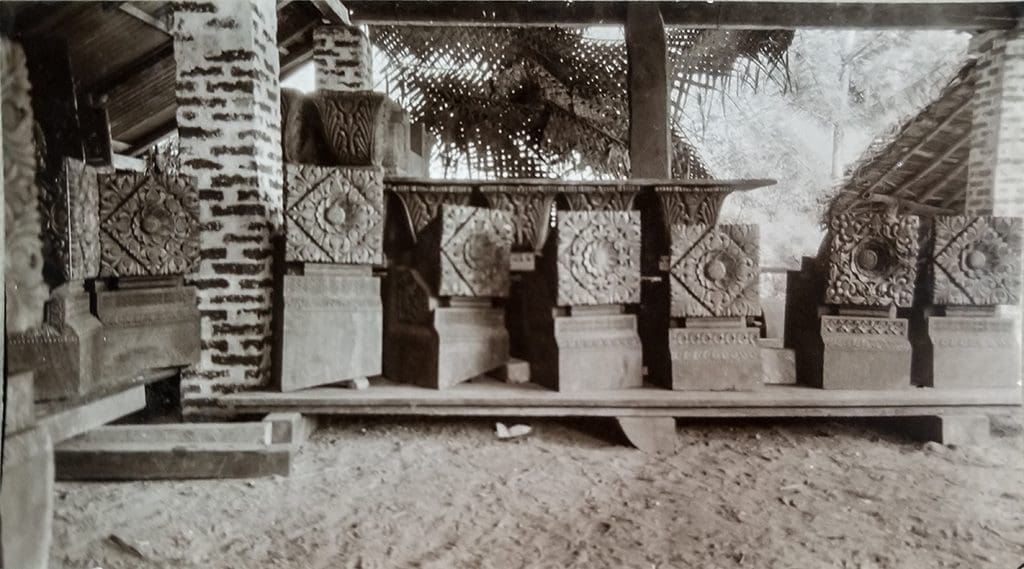
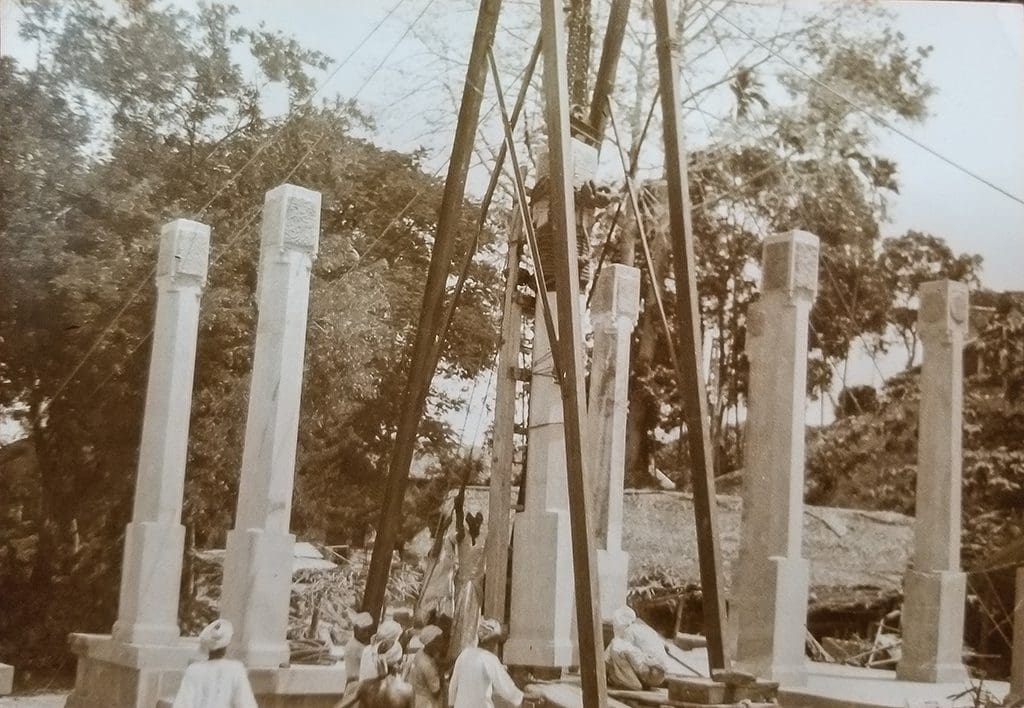
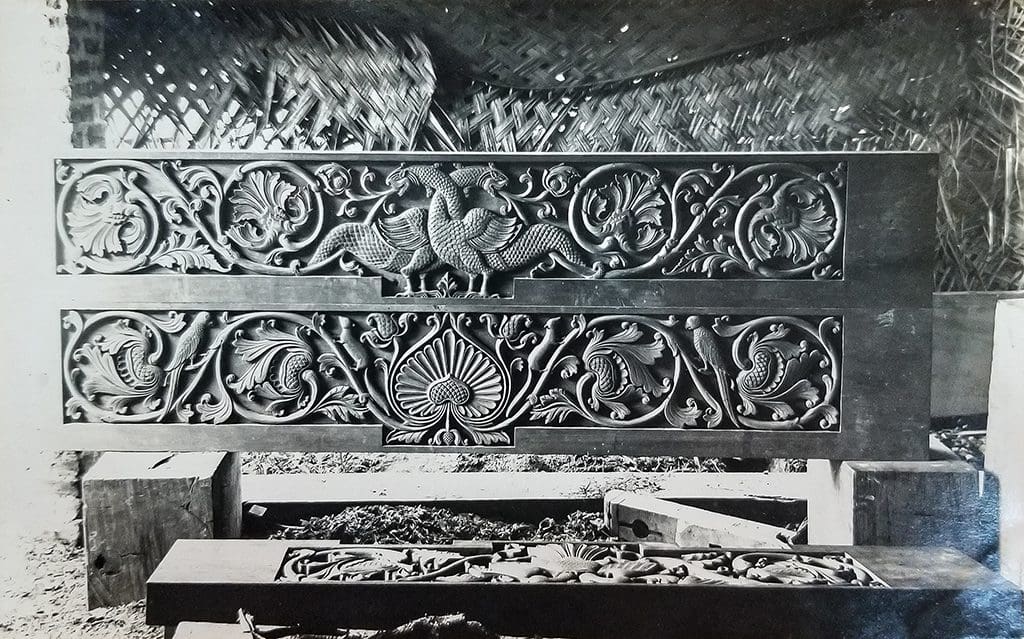
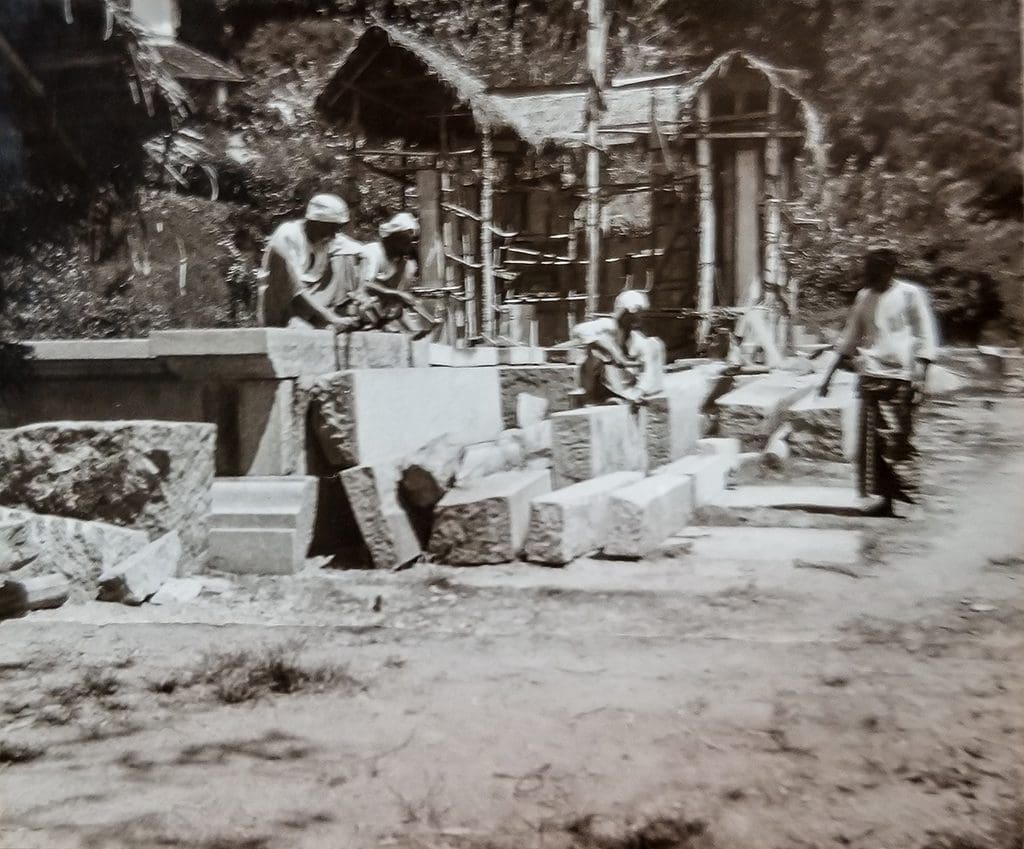
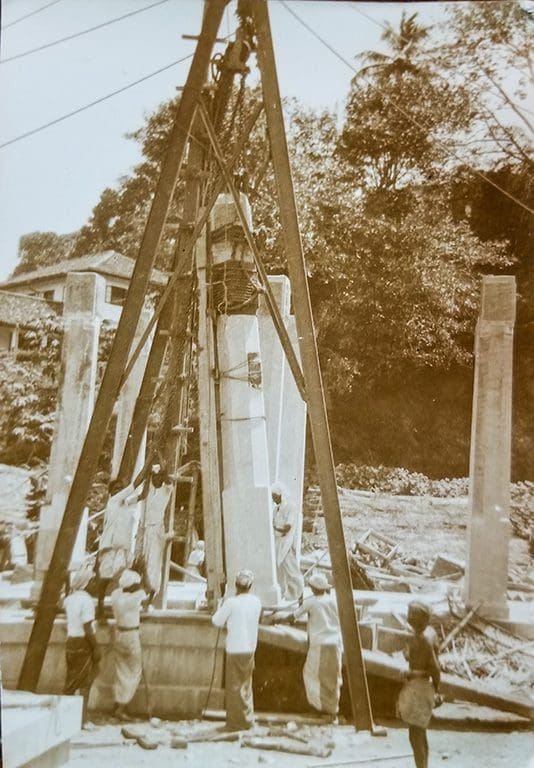
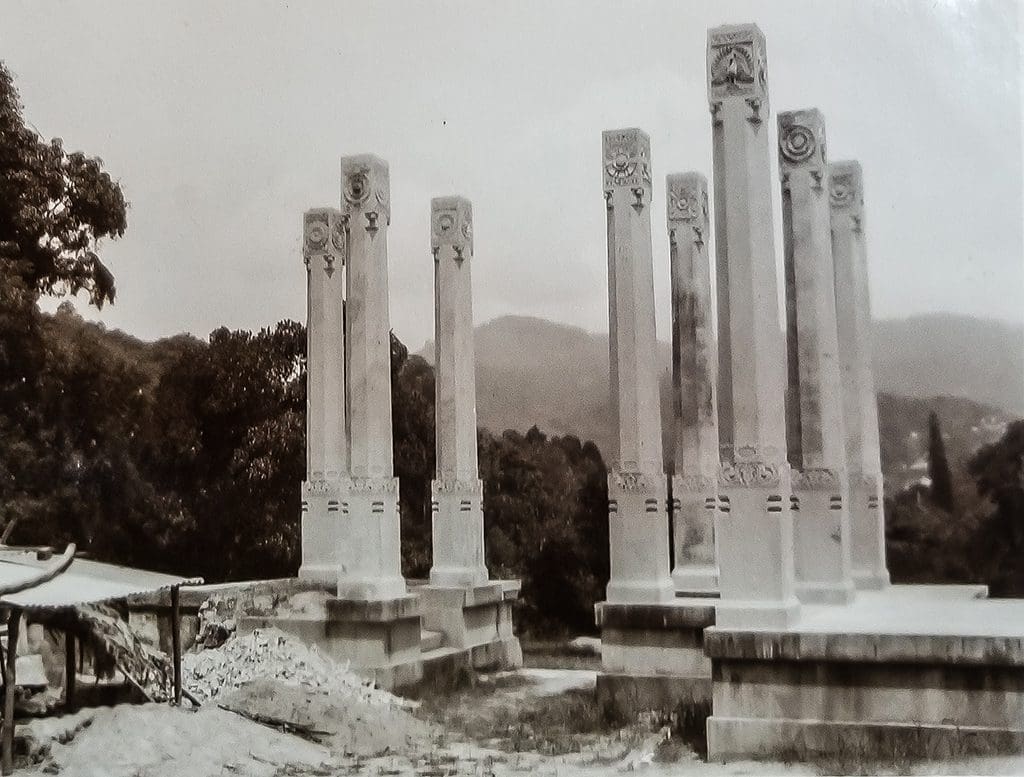
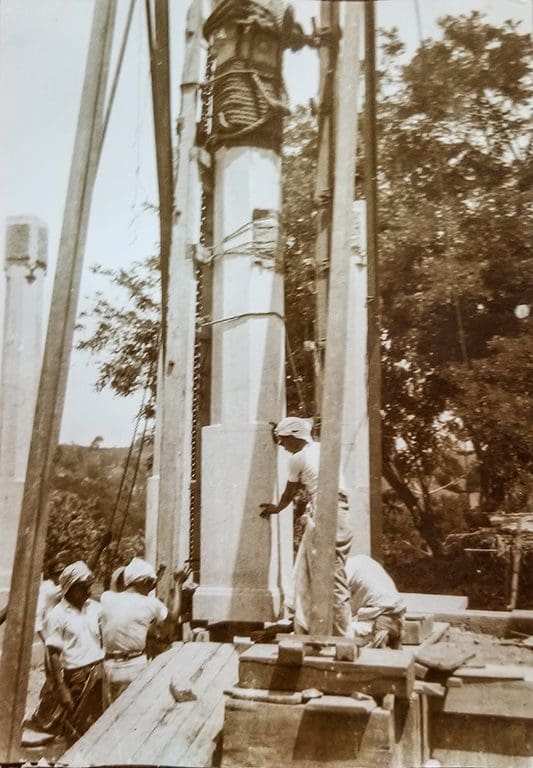
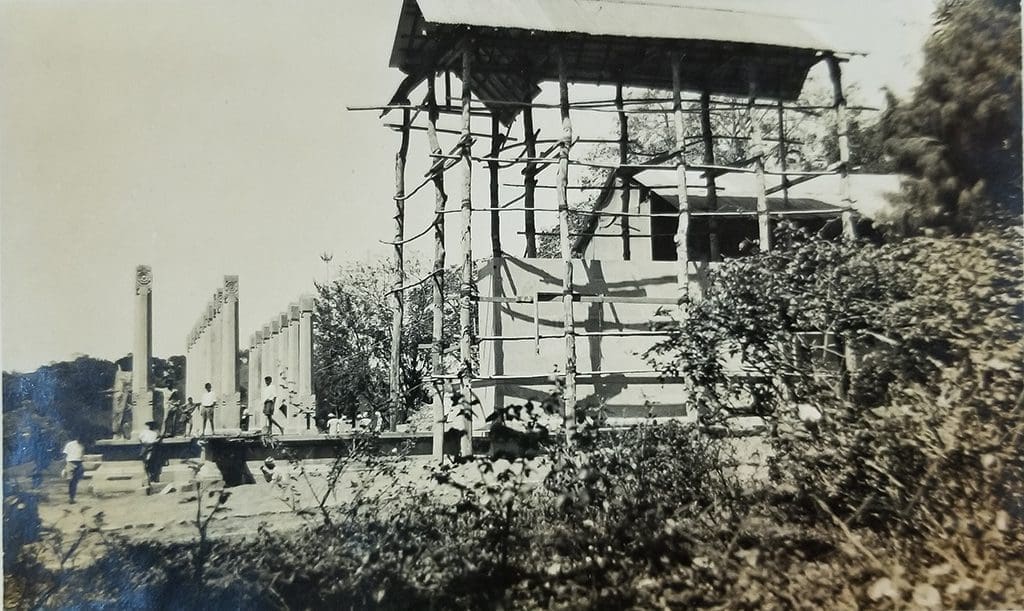
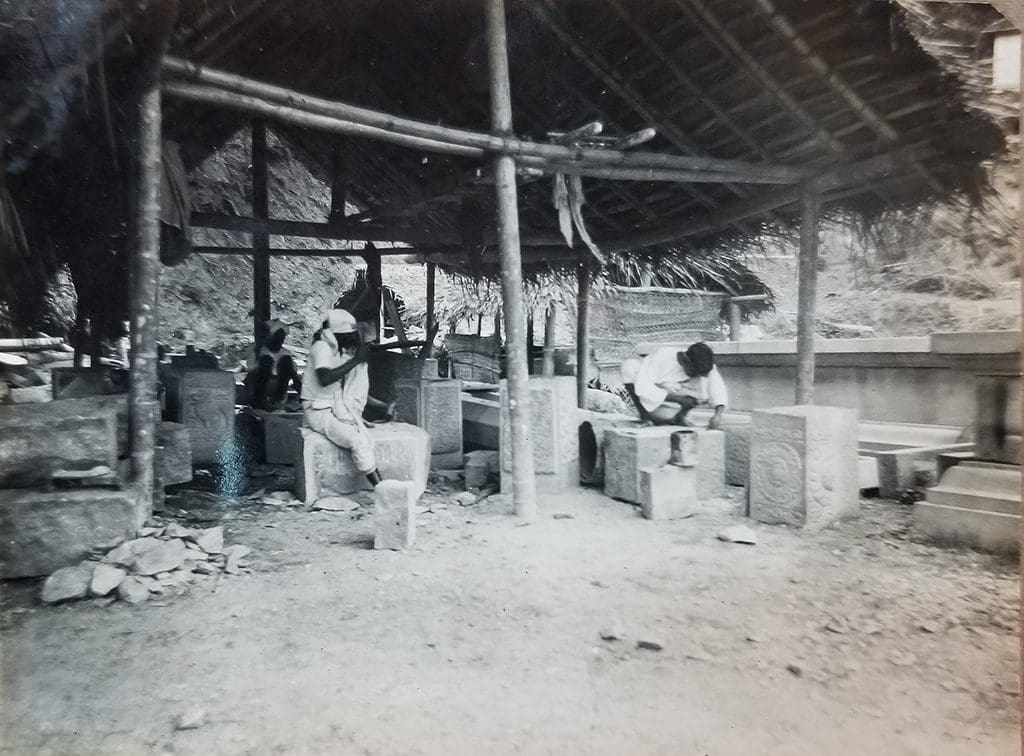
The foundation stone was laid in 1922. Construction soon became an extraordinary undertaking. Granite was quarried in Aruppola and split using steel wedges and human strength, since blasting would have destroyed the stone. The massive blocks were loaded onto trolleys and hauled up the hill by pairs of elephants. Each pillar was shaped and carved either at the quarry or at the site, then set into place with remarkable precision. Traditional craftsmen created the wooden pekadas and beams, bringing back skills that had almost disappeared.

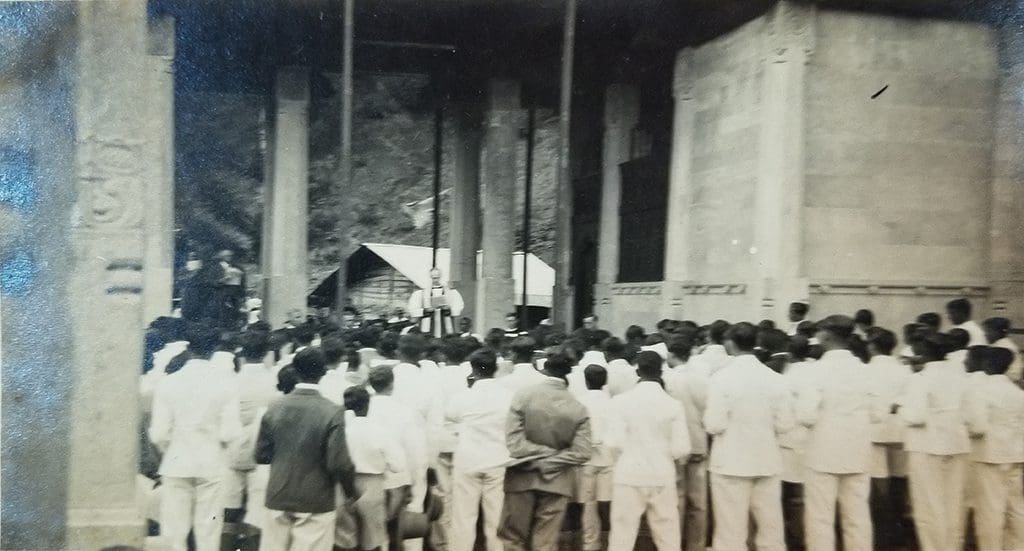
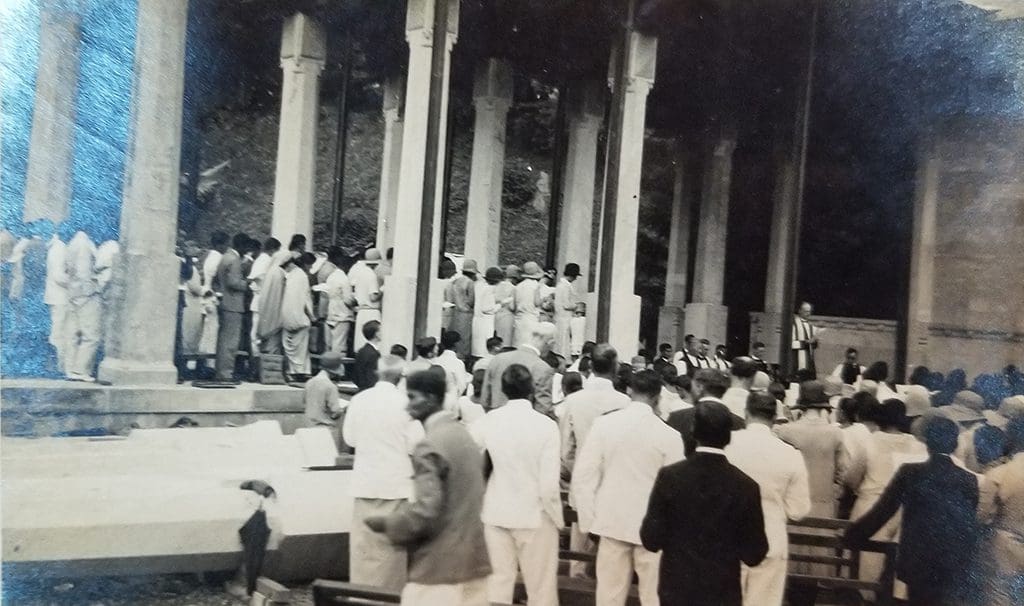
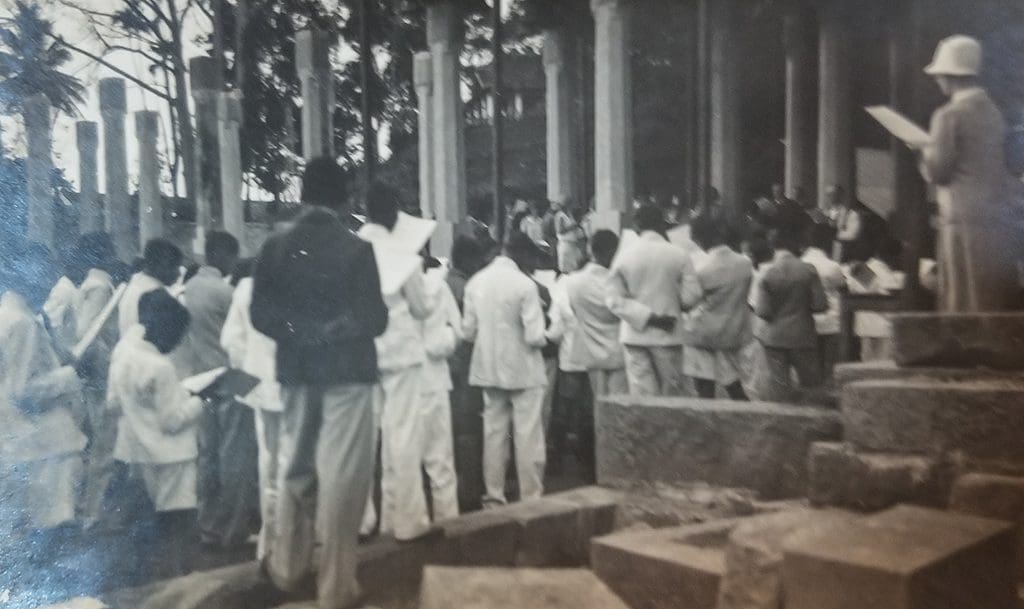
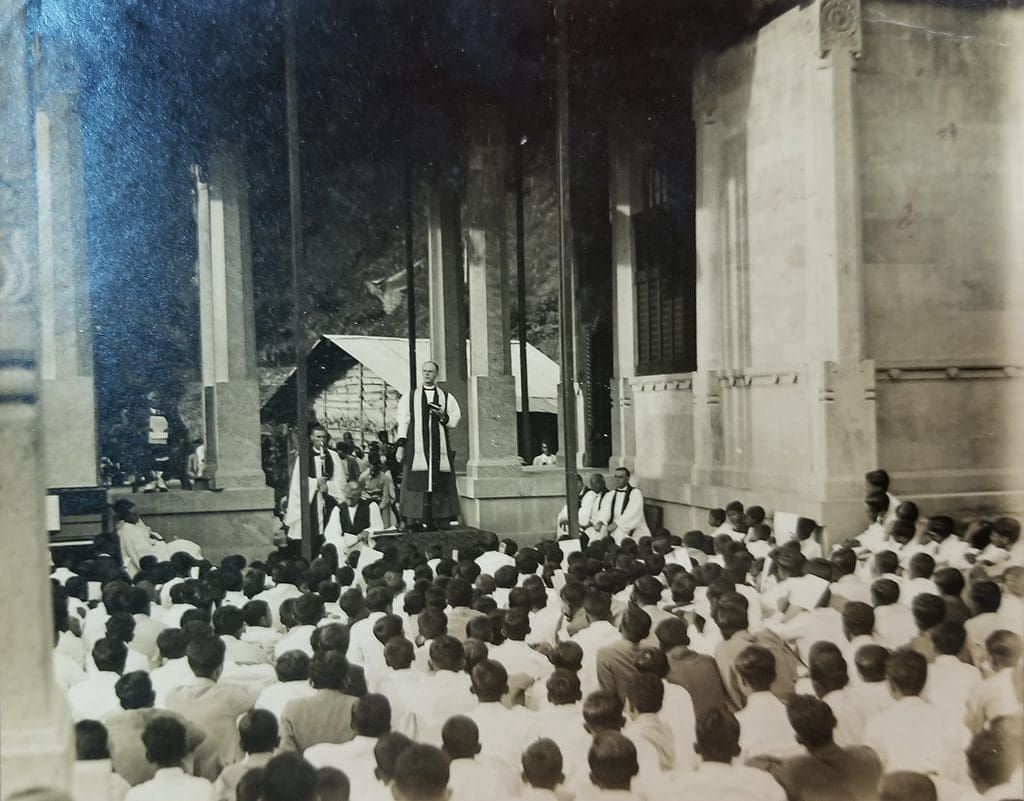
By 1930 the Side Chapel, later called The Chapel of the Light of the World, was completed and consecrated. Work on the main structure continued, and on 3 March 1935 the Chapel was formally dedicated. What emerged was a building unlike any other in the country. It was open to the landscape on three sides yet monumental in presence. It combined Christian purpose with Sri Lankan artistry and stood as a model of vernacular design at a time when few such structures were attempted.

Over the years the Chapel has become much more than an architectural landmark. It is the spiritual heart of Trinity College and a gathering place for worship, reflection, music, and community life. For nearly a century it has welcomed students, families, visitors, and pilgrims, and it remains one of Sri Lanka’s most admired cultural and religious treasures.

Step into the world of the 1920s and see how the Chapel rose stone by stone.

This short film reimagines those pioneering days through carefully interpreted AI visuals, created by blending the few surviving photographs with the latest video-generation technology. It offers a glimpse of what the craftsmen, students, and chaplains of that era may have witnessed as the Chapel slowly took form on the hill.

By using modern tools to honour a century-old story, we hope this reconstruction helps you appreciate the vision, labour, and devotion that shaped one of Trinity’s most treasured landmarks.

The Architecture

The Trinity College Chapel is one of the finest examples of Sri Lankan inspired architecture in the modern era. Rev. L. J. Gaster, who designed the Chapel, wanted a building that belonged to the island rather than a structure copied from European traditions. His inspiration came from ancient sites such as Polonnaruwa and Anuradhapura, where stone pillars, broad platforms, and graceful proportions created buildings that seemed to rise naturally from the earth.

The Chapel follows the same idea. It is often described as a Chapel without Walls because three sides are left completely open. This allows worshippers to look out toward the hills and feel the movement of wind and light within the space. The only enclosed section is the rear wall, which supports the sanctuary and creates a quiet focal point for worship.

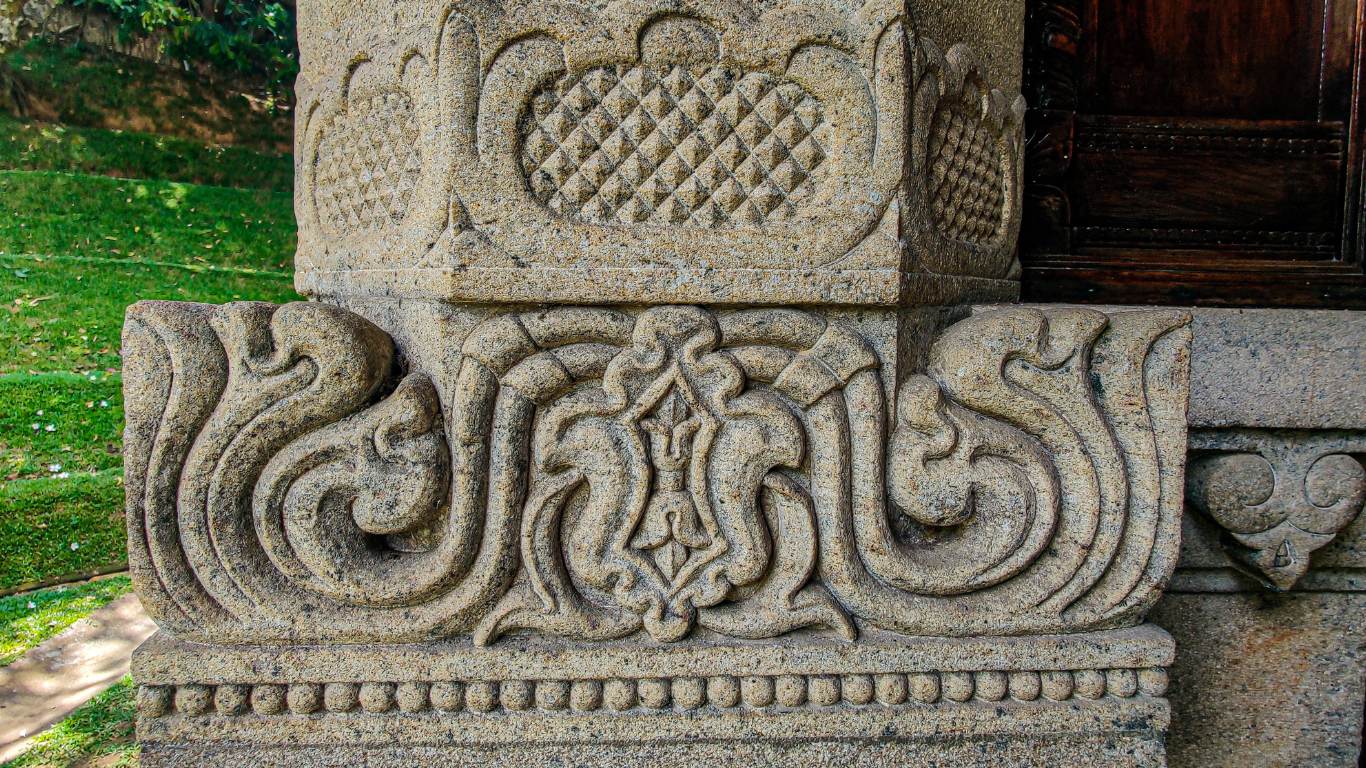
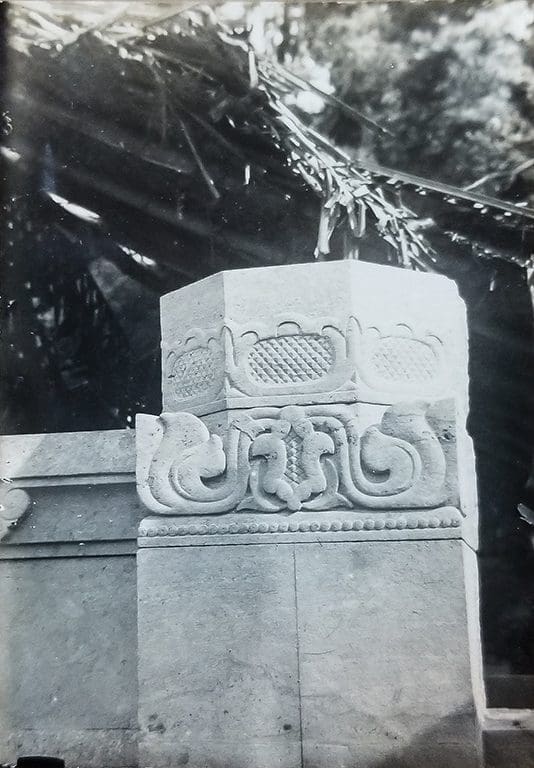
Its most striking feature is the forest of fifty four granite pillars. Each pillar was quarried in Aruppola, shaped entirely by hand, and hauled up the hill by two elephants. The pillars stand sixteen feet tall and rest on a raised stone platform that gives the entire structure a sense of strength and permanence. The main shafts of the pillars are octagonal, while the bases and upper sections carry traditional designs such as the liya patha scroll, the pineapple motif, and carved images of animals, flowers, and symbols. Together they represent nearly one thousand carved surfaces, each completed by master craftsmen.

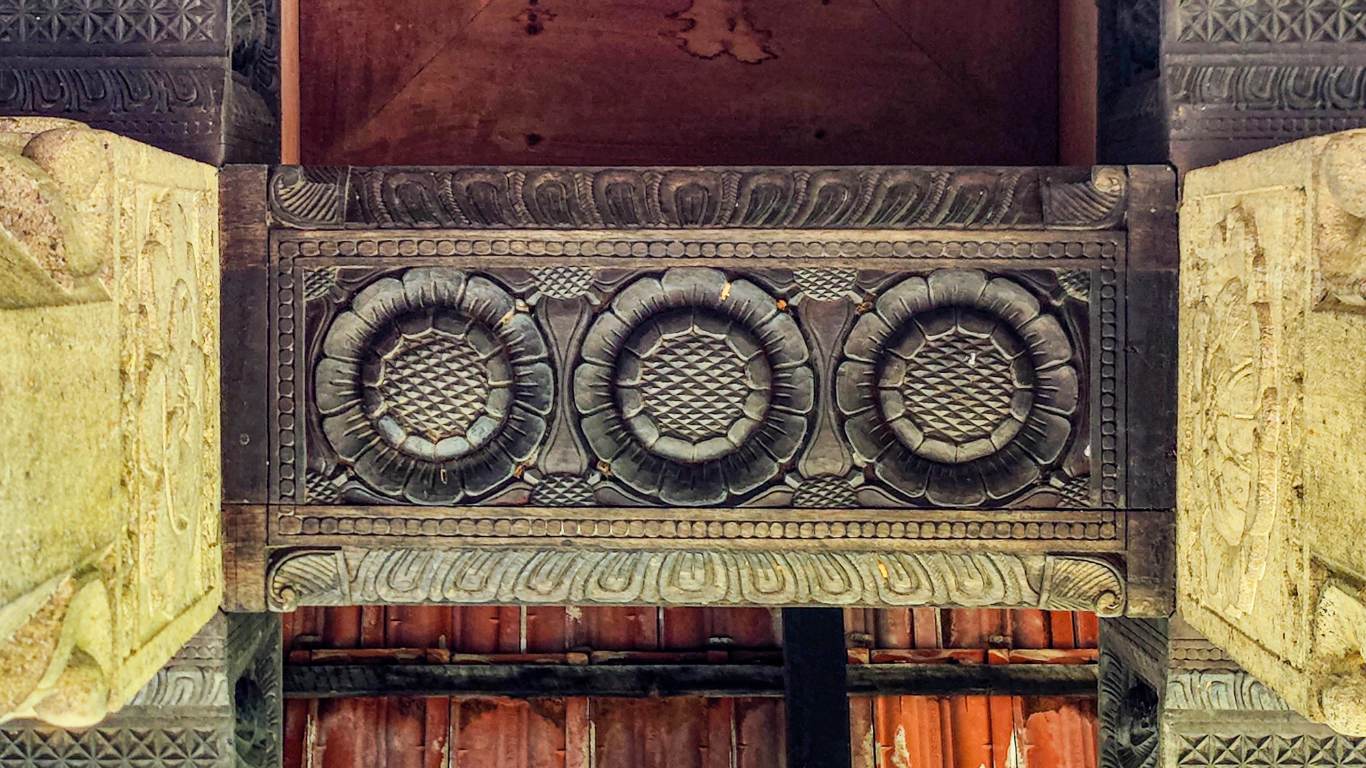
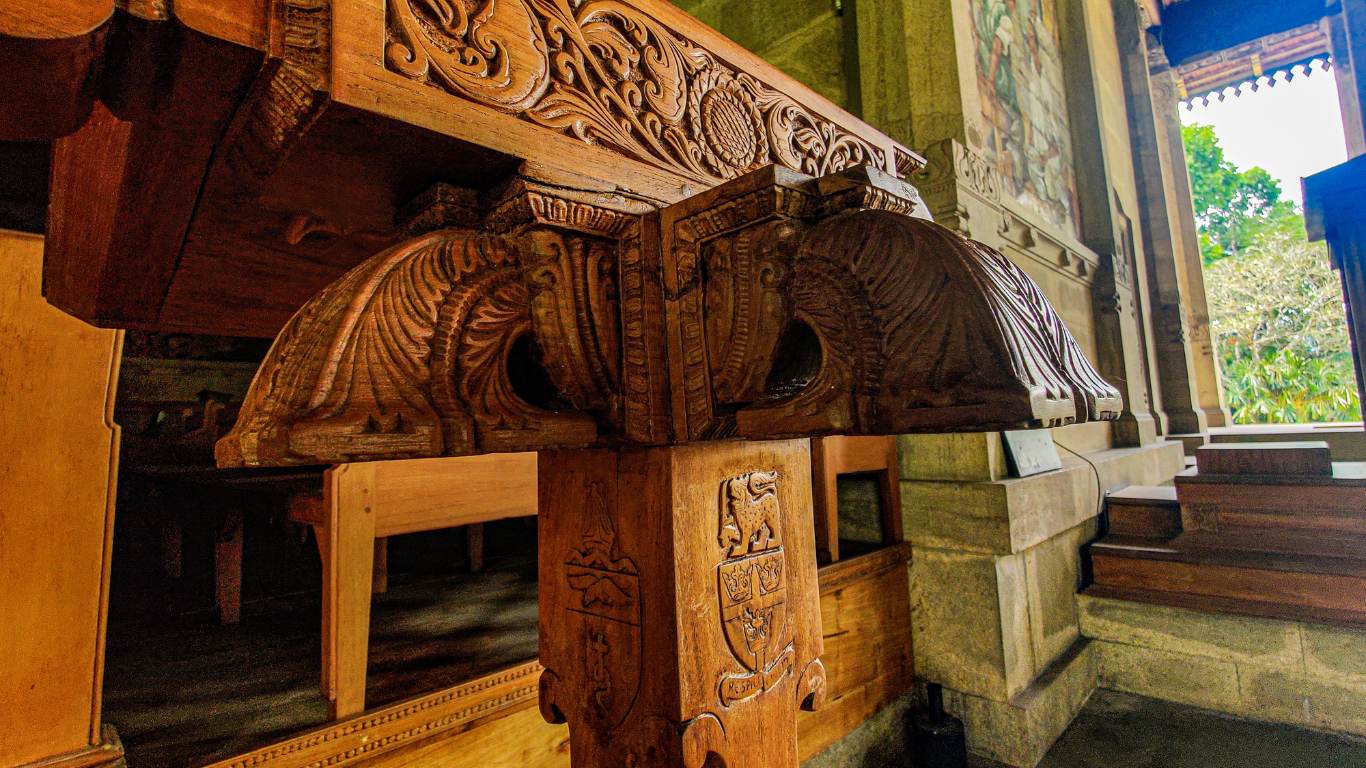
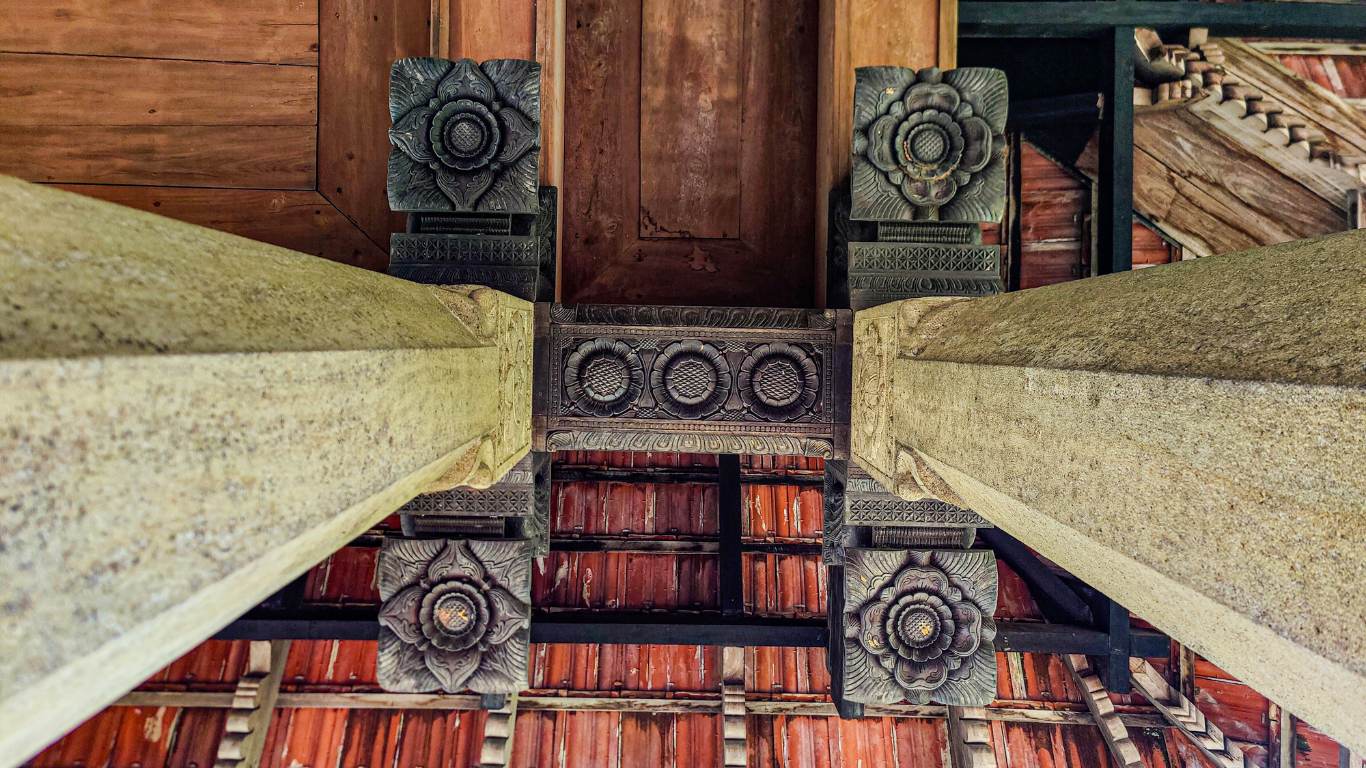
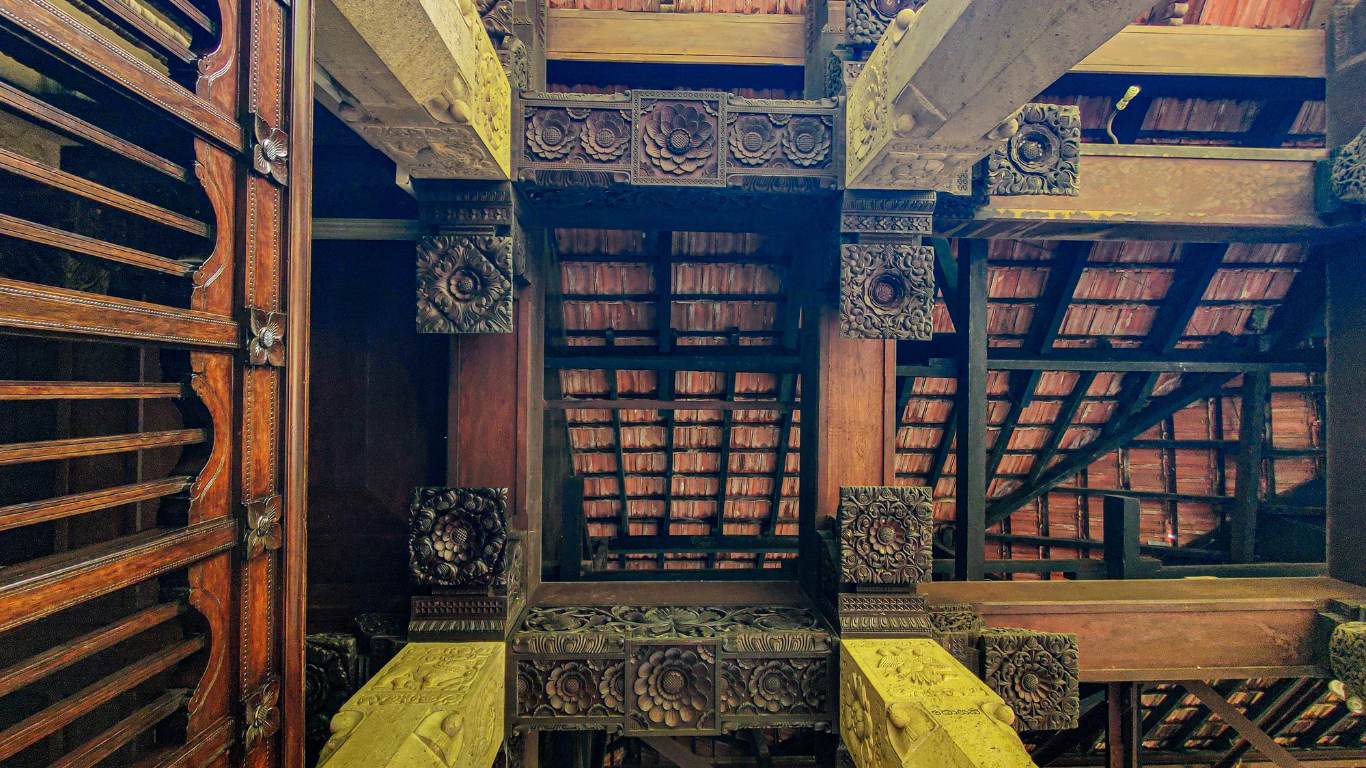
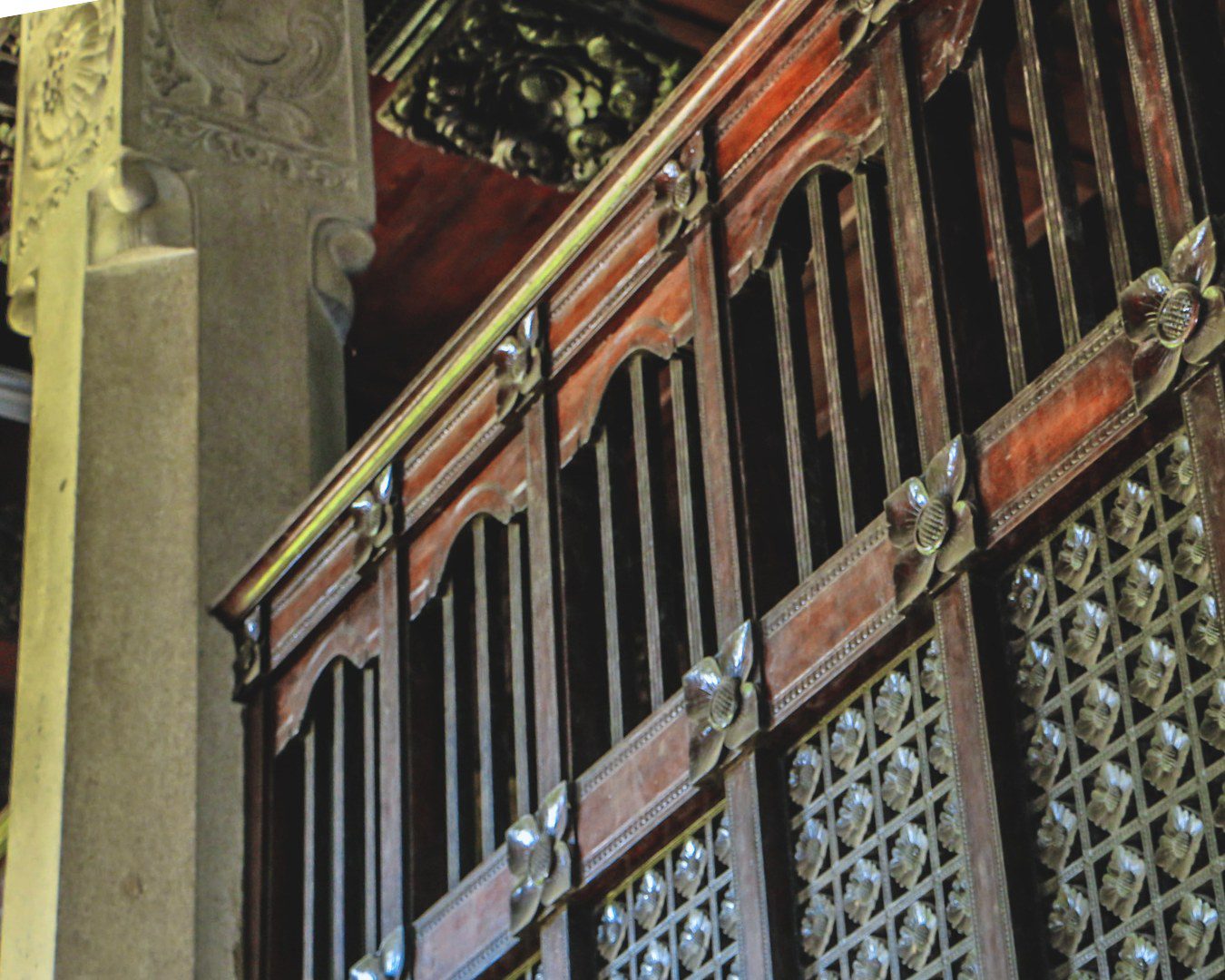
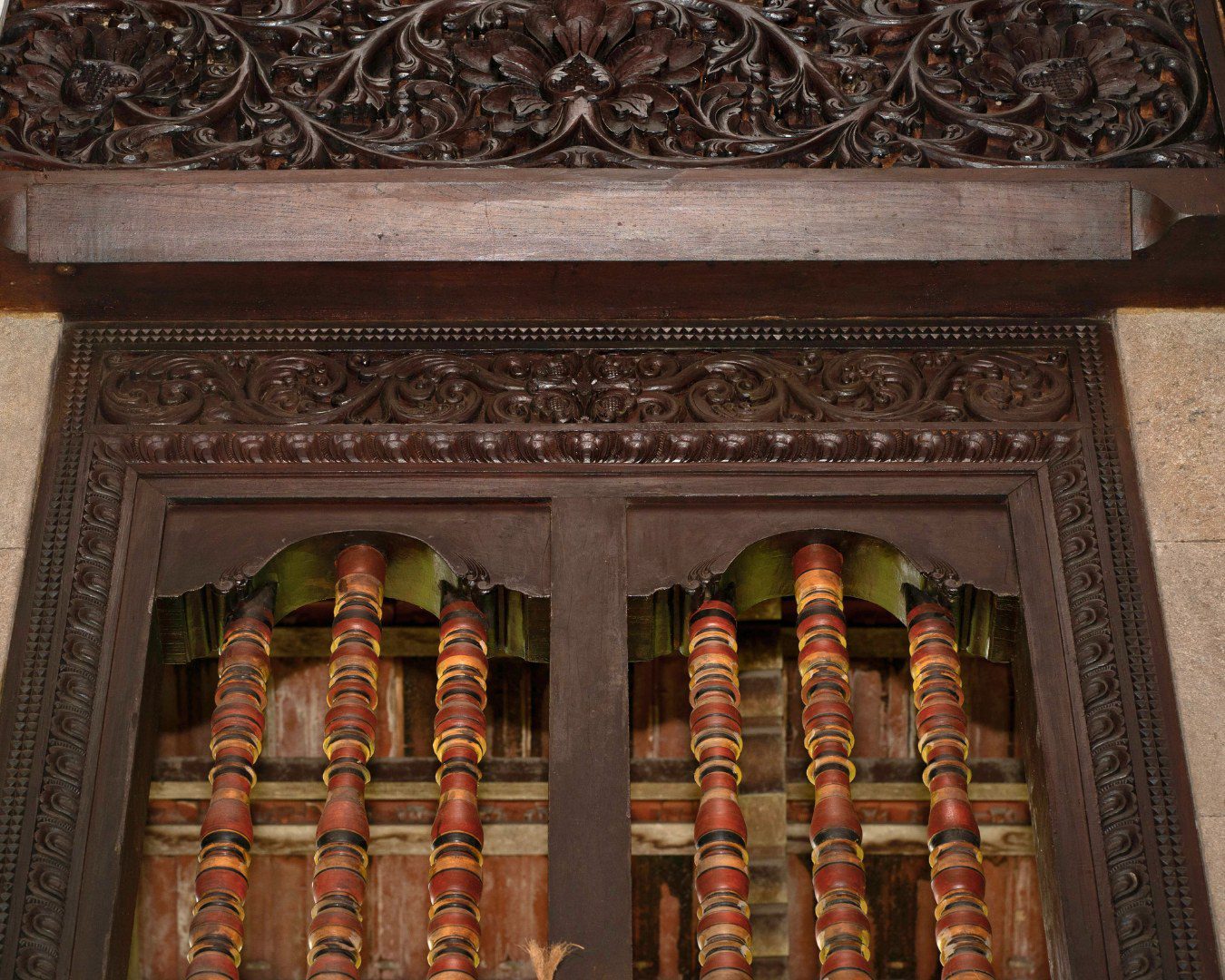
Above the stone rises the timber structure of the roof. The carpenters shaped gammalu wood into beautifully carved pekadas that support the beams and carry the weight of the wide Kandyan style roof. The roof begins at a height of twenty feet and rises to fifty five feet above the aisle, creating a spacious interior filled with soft natural light. The entire effect is one of openness, stability, and harmony with the landscape of Kandy.

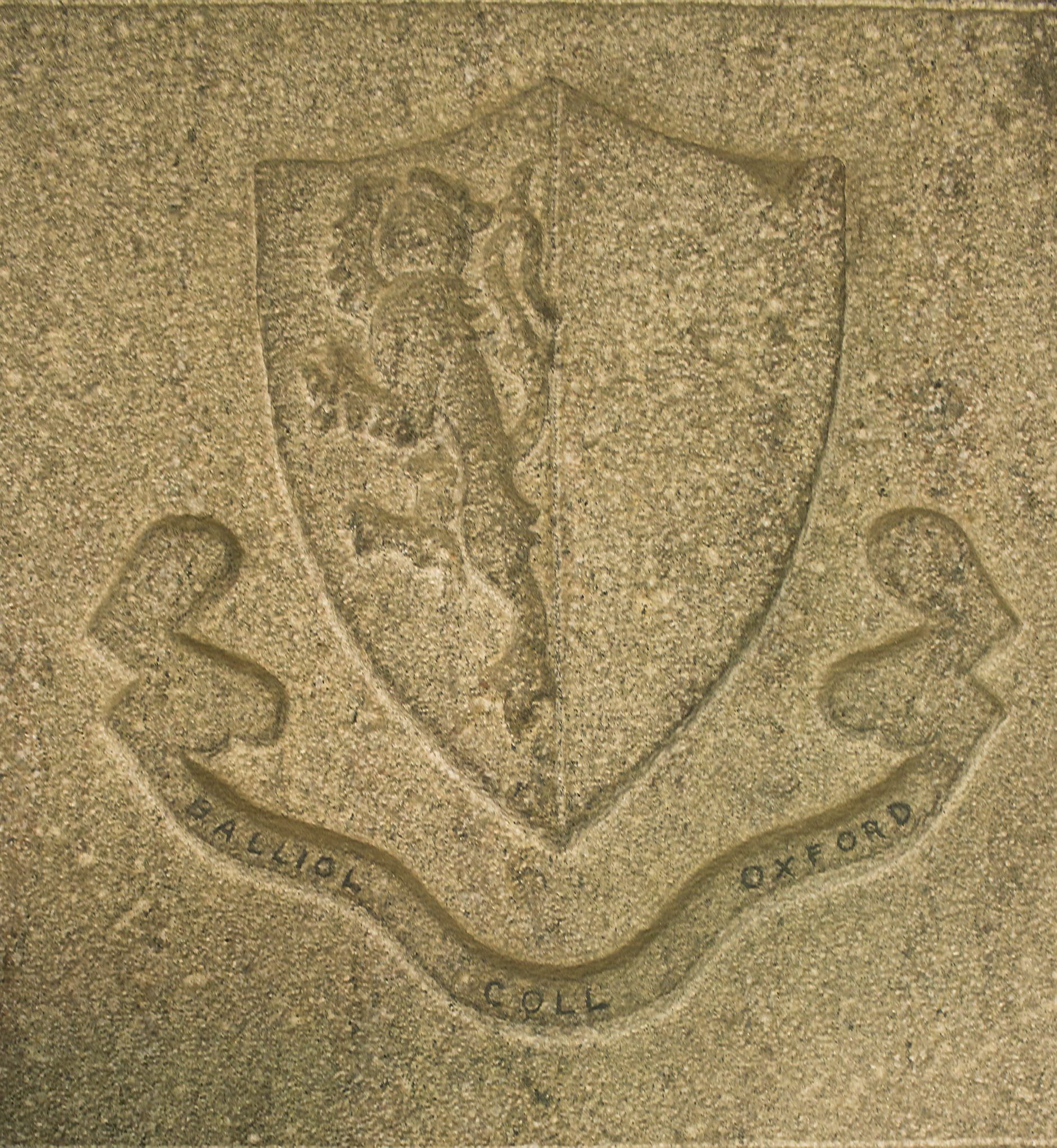
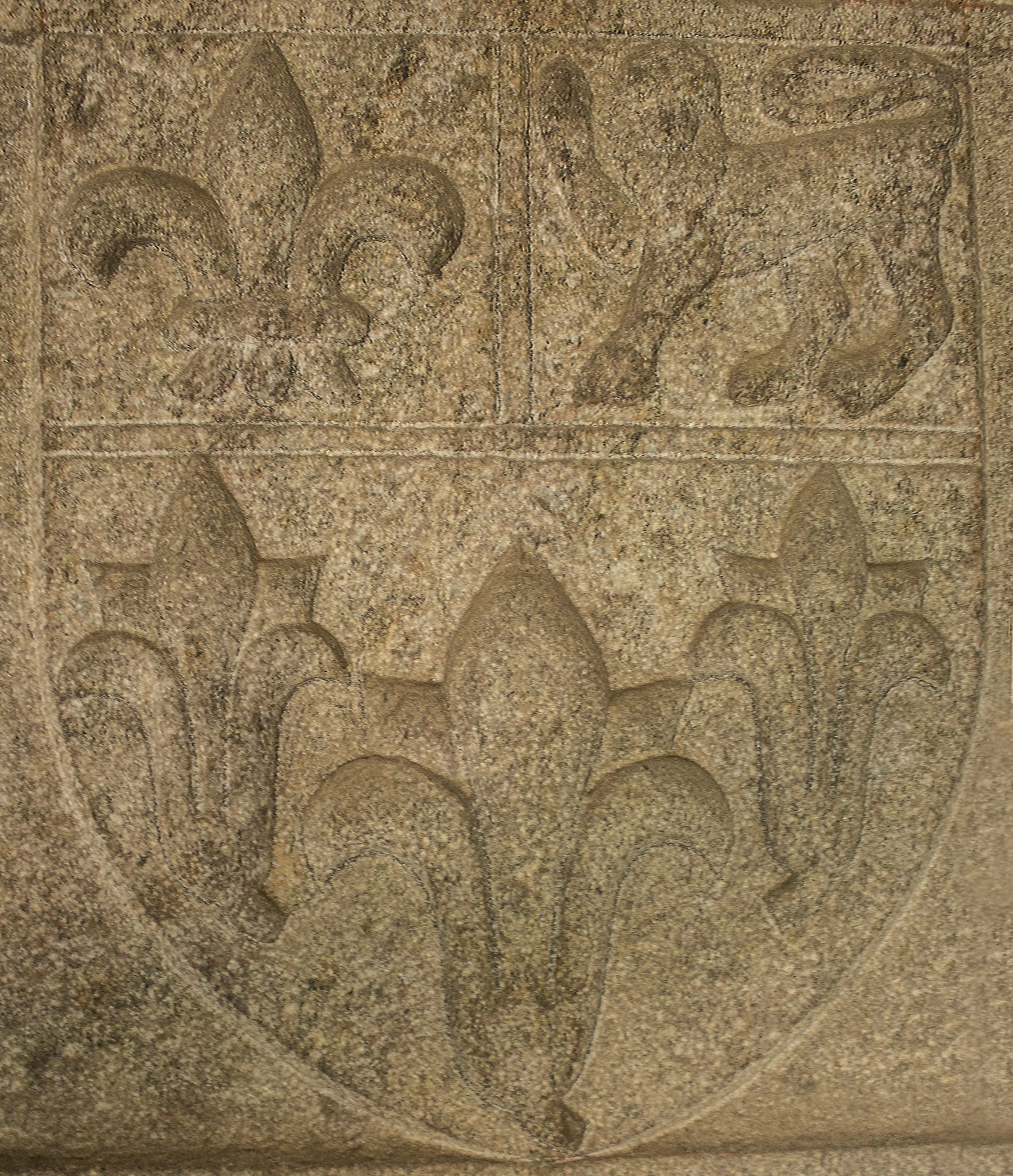
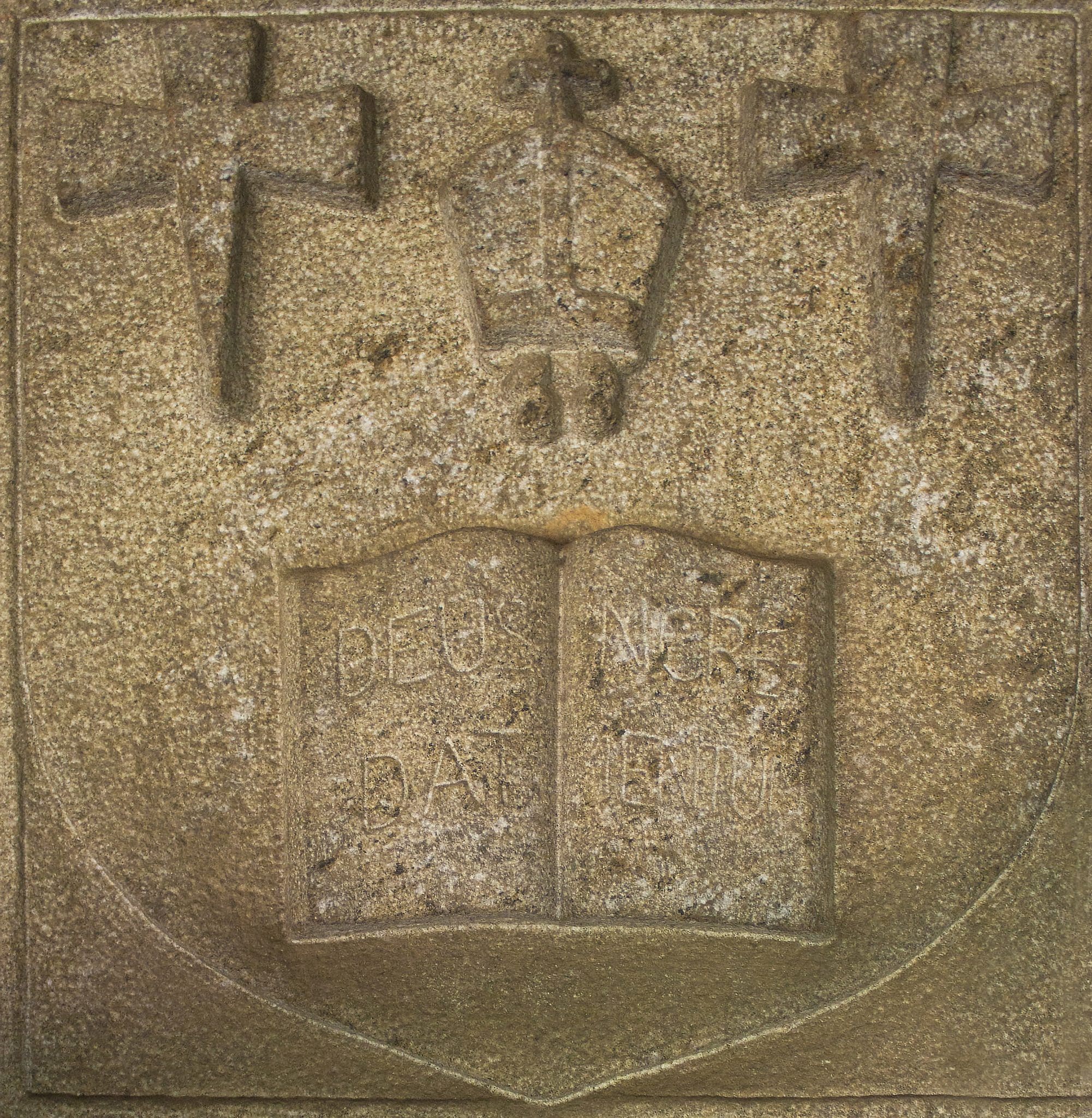
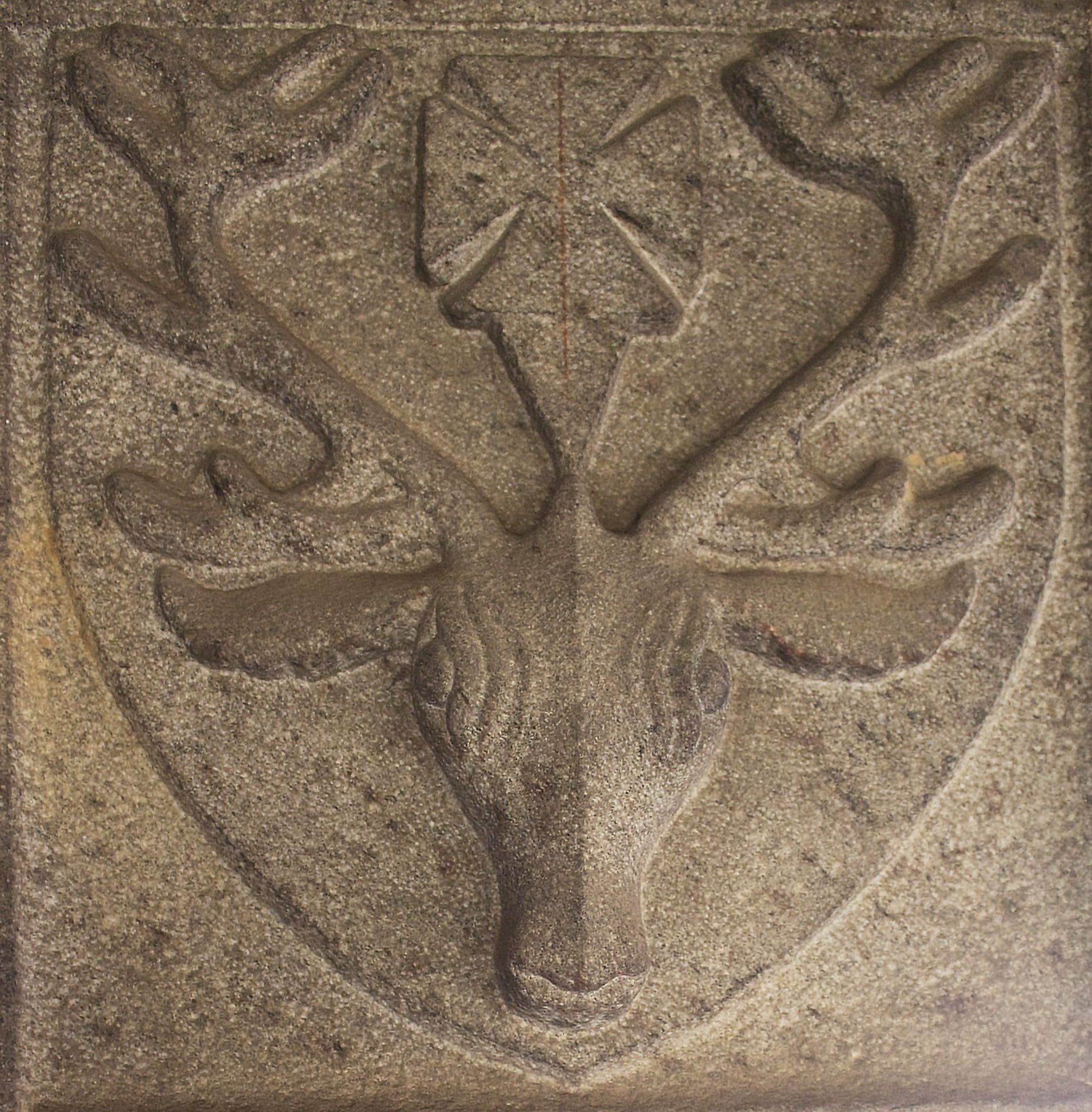
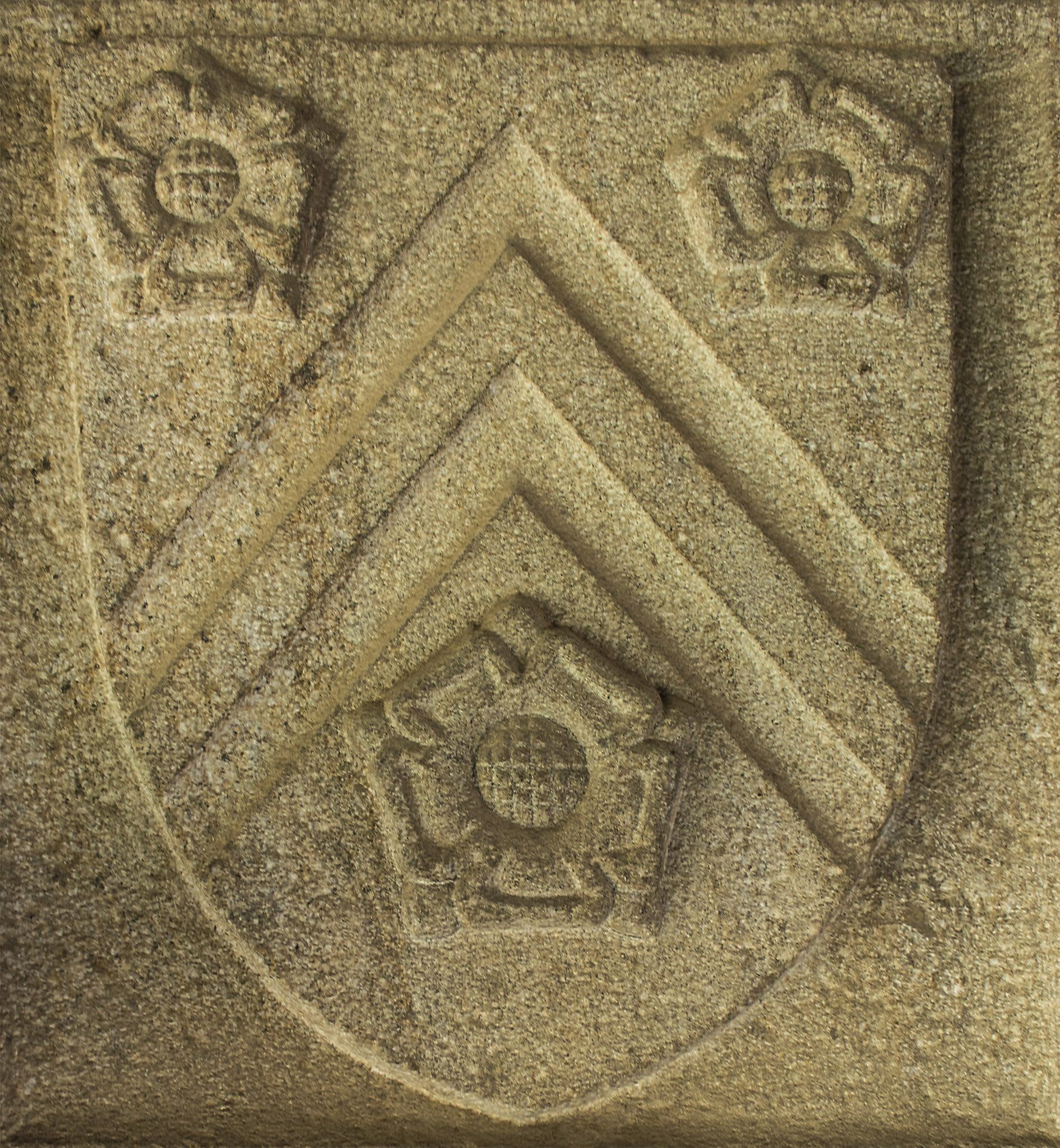
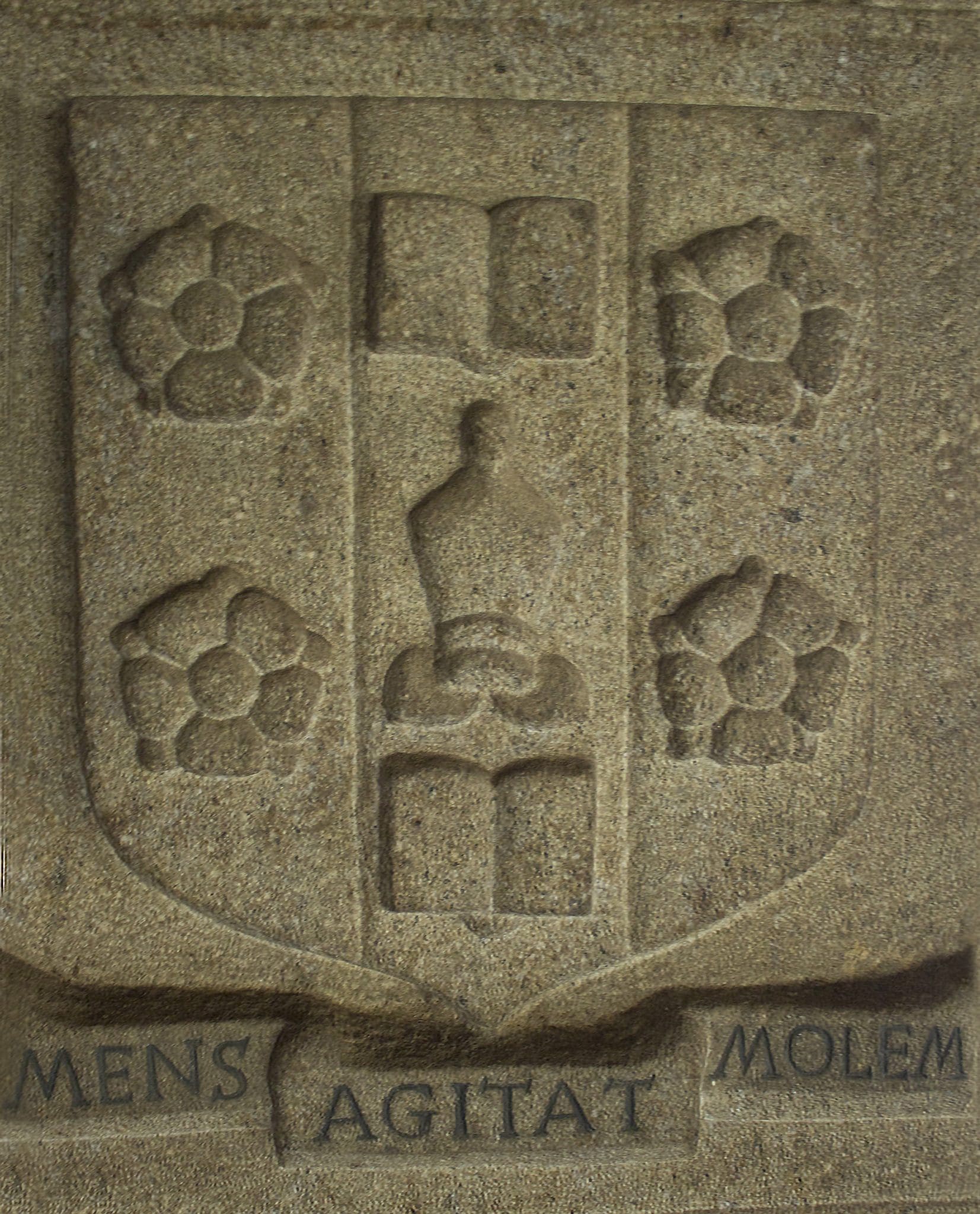
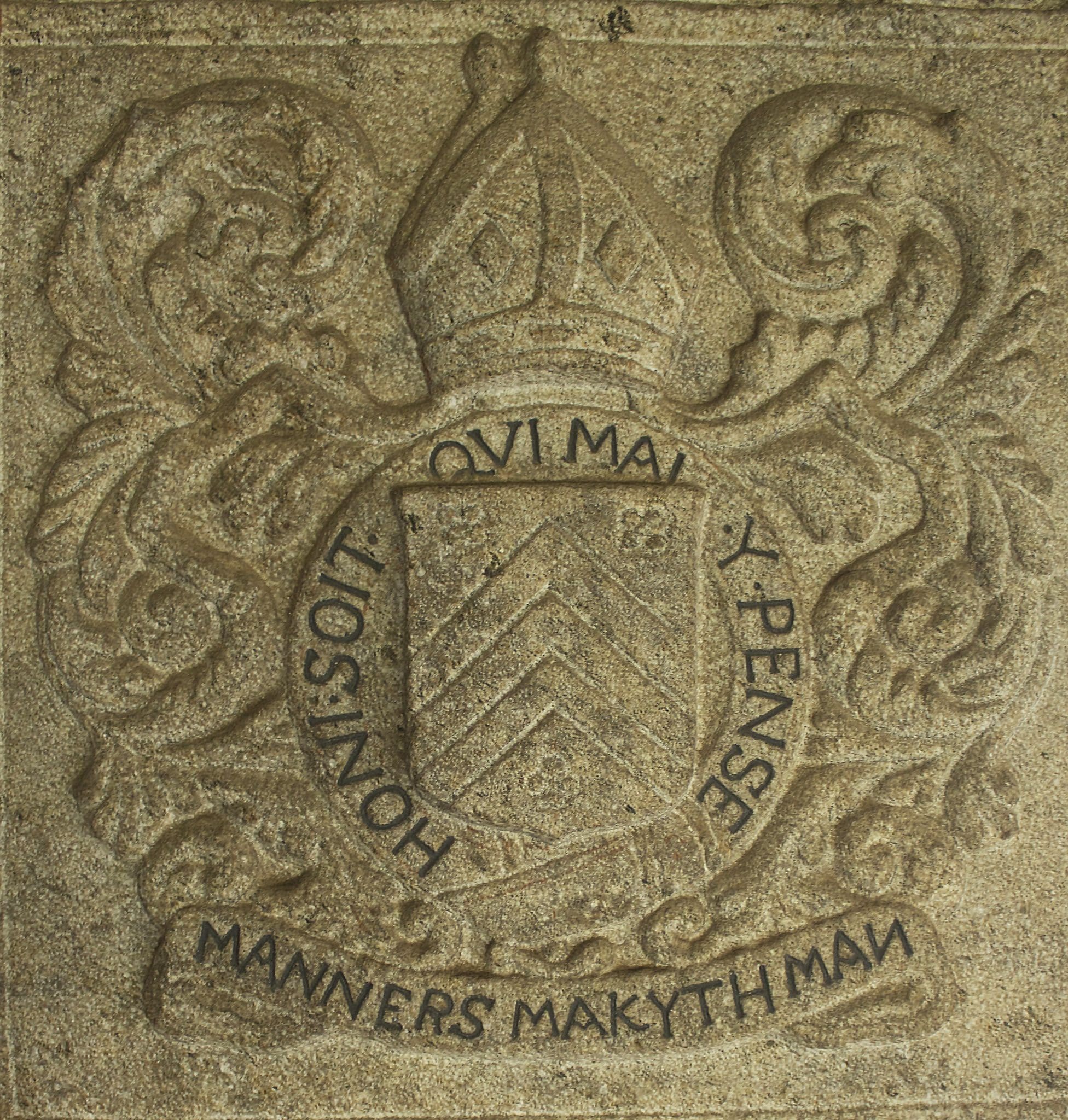
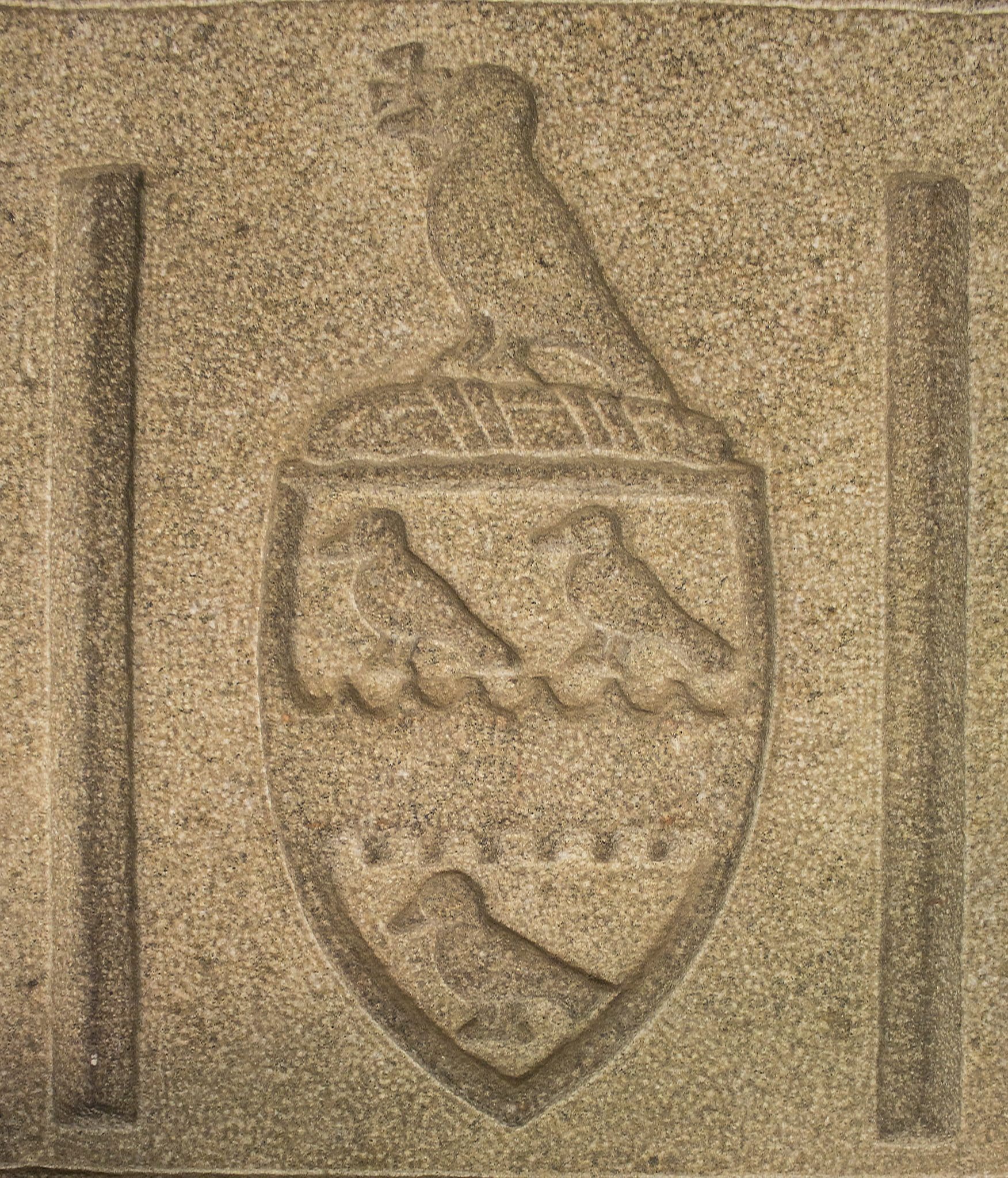
A number of pillars in the nave feature the Coats of Arms of British colleges that supported the construction of the Chapel in the 1920s and 1930s. These carvings reflect the long educational links that shaped Trinity’s early history and bring an additional layer of cultural significance to the building.

The architecture of the Chapel is a remarkable achievement. It combines local materials, traditional craftsmanship, spiritual purpose, and artistic vision in a way that has never been repeated in Sri Lanka. It stands today as a lasting example of what can be created when ambition, respect for heritage, and skilled craftsmanship come together.

The Murals

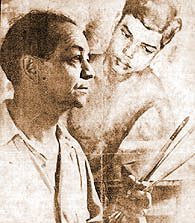
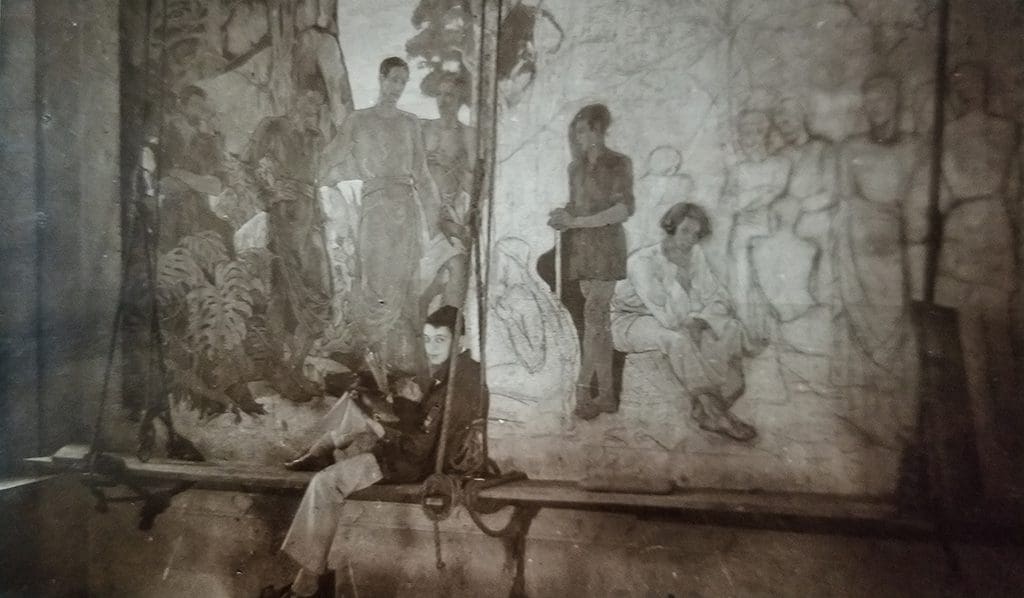
The Trinity College Chapel is home to four remarkable murals painted by David Paynter, one of Sri Lanka’s most celebrated artists and an Old Trinitian. His work is known for bringing Biblical stories into recognisably Sri Lankan settings, using local landscapes, familiar faces, and natural light to create a powerful sense of immediacy. These murals are considered some of the finest examples of vernacular Christian art in Asia.

The 'Are Ye Able' Mural

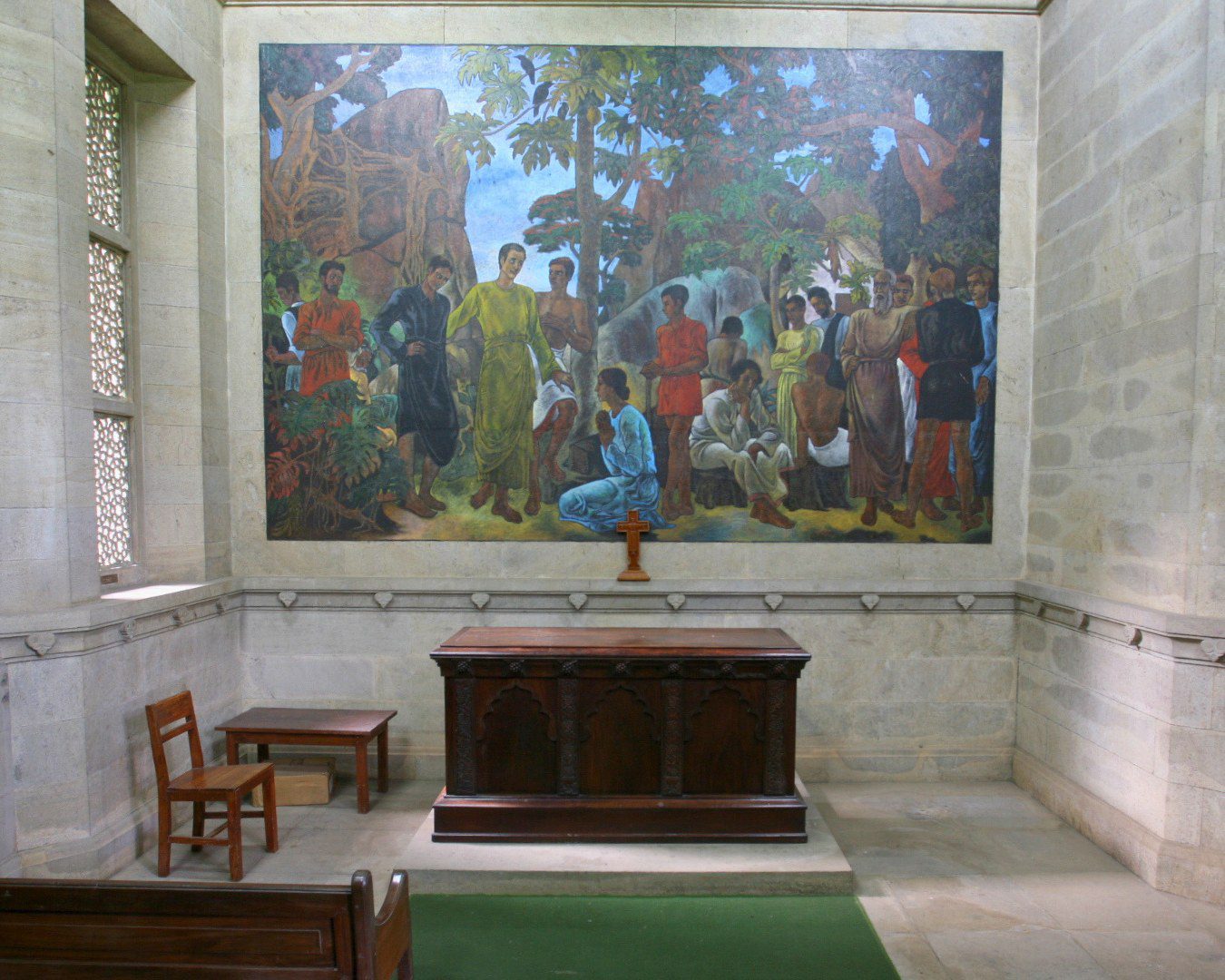
The first mural, titled Are Ye Able, was painted in 1928 in the Side Chapel. Paynter had recently returned from Europe, and the painting reflects his renewed appreciation for the tropical vegetation and natural beauty of Sri Lanka.

The scene is filled with lush foliage and warm light, creating a setting that is distinctly local while still carrying the message of the Gospel story.

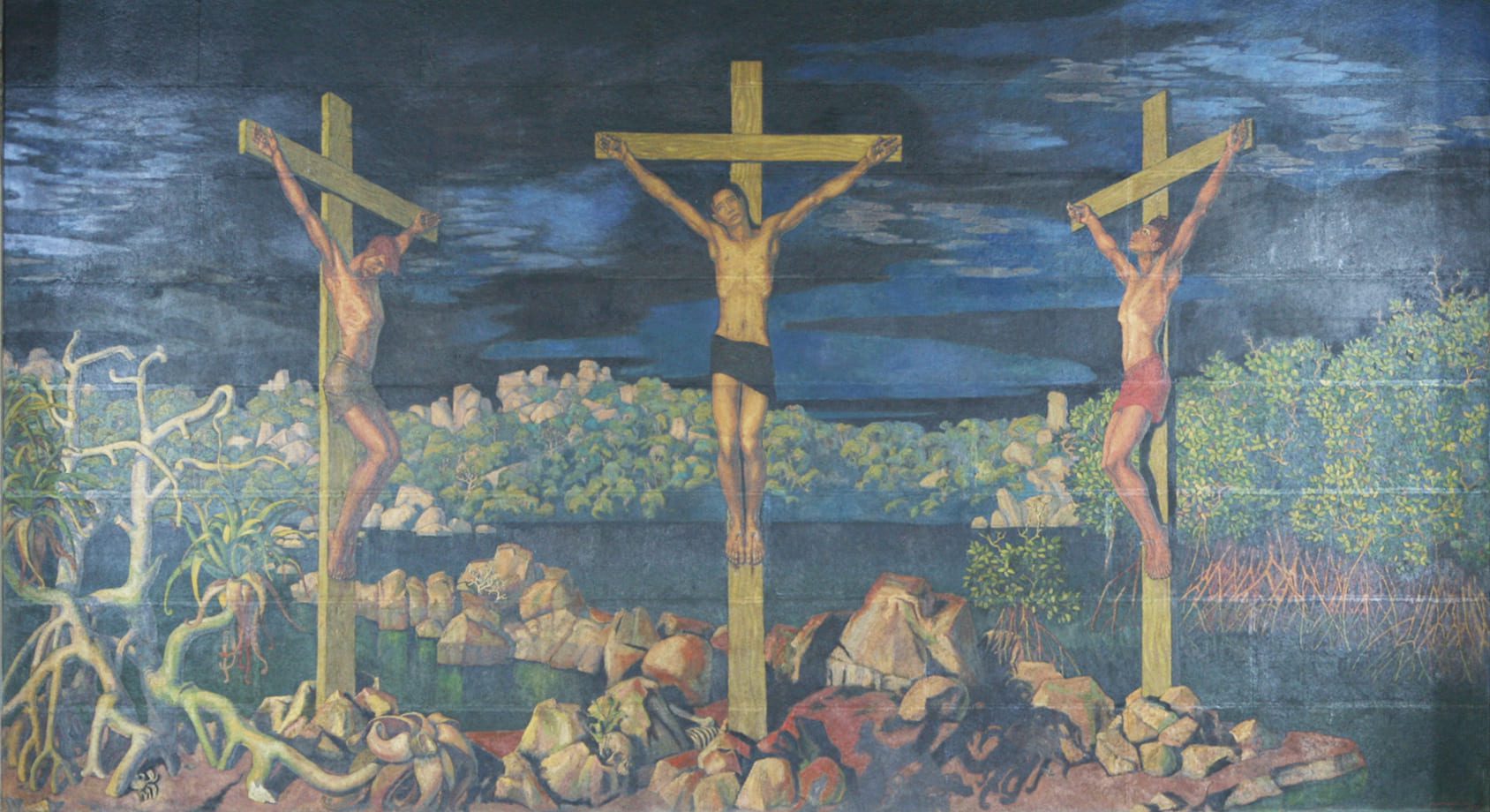
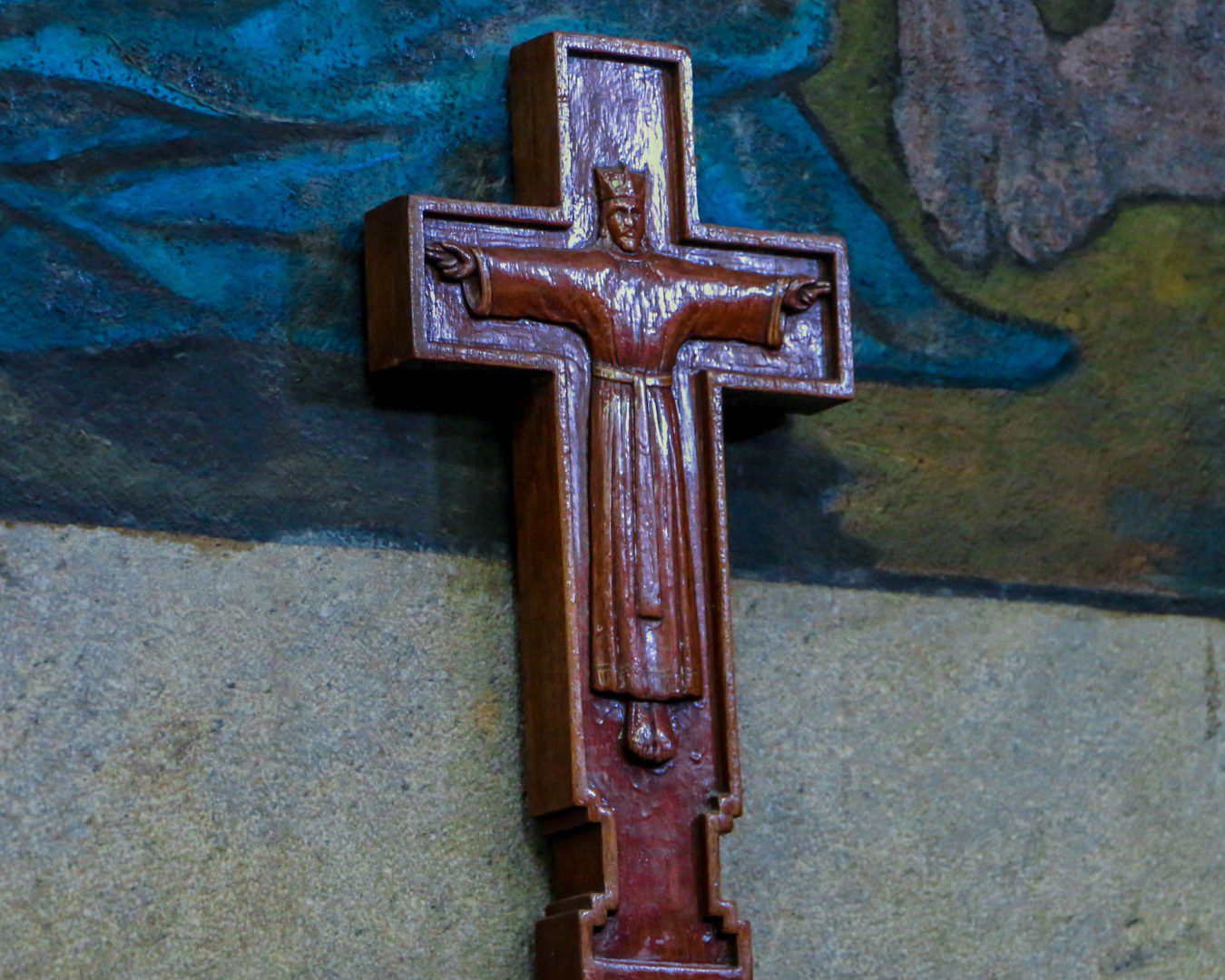
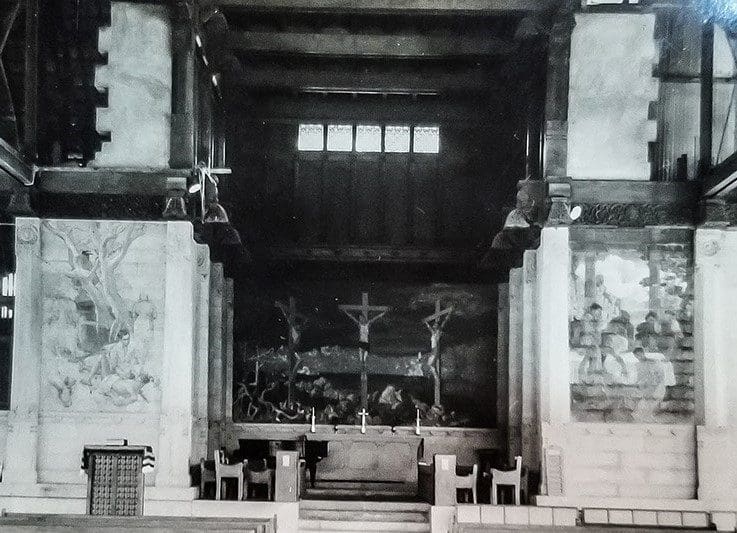
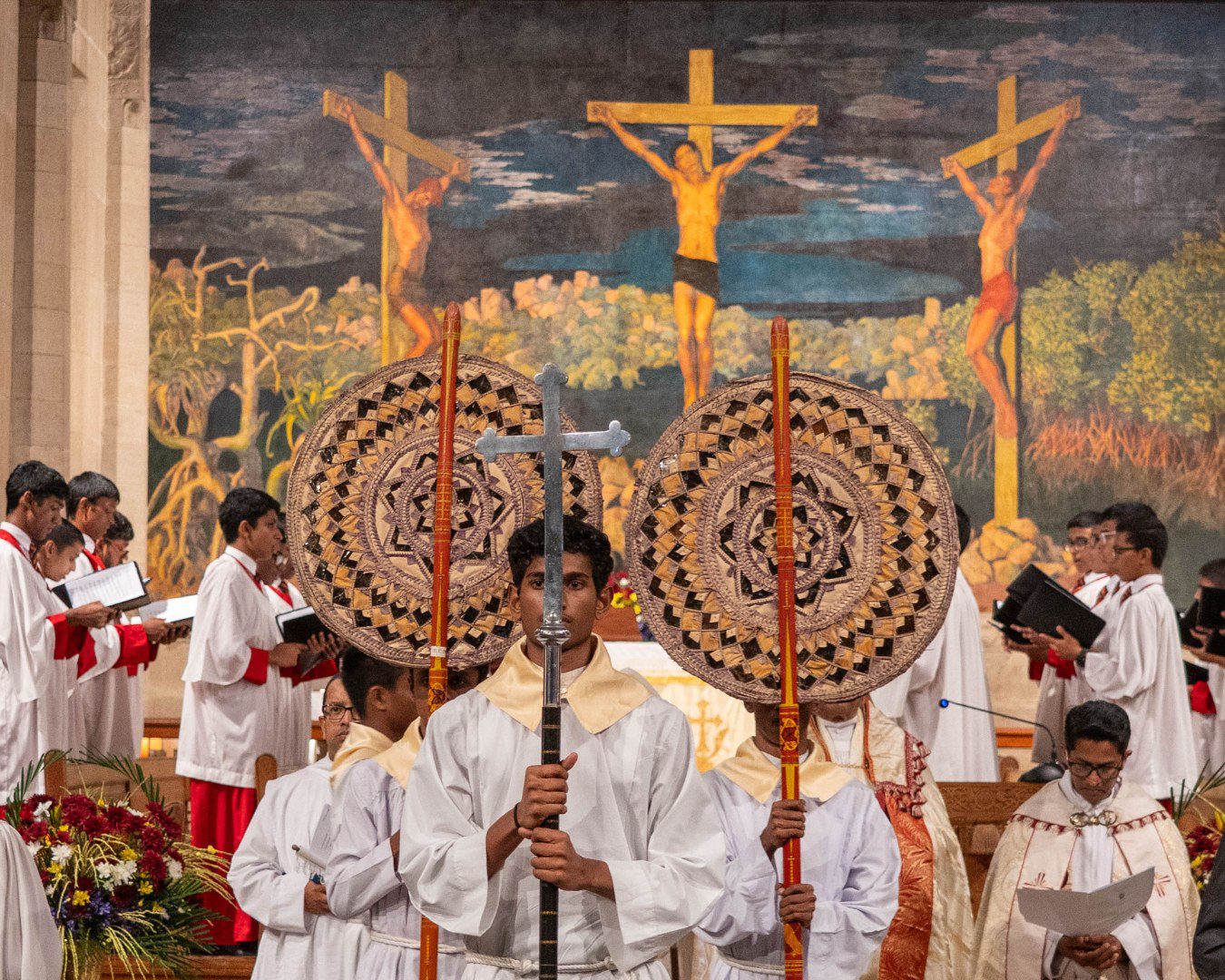
In 1933 Paynter completed The Crucifixion, the mural above the altar. Here Christ is depicted without a beard, a choice that directs attention to the emotional weight of the moment rather than traditional iconography.

The background is a coastal mangrove landscape near Trincomalee, a place Paynter loved. He selected this barren setting to express the loneliness and desolation of Good Friday more effectively than the green central hills could.

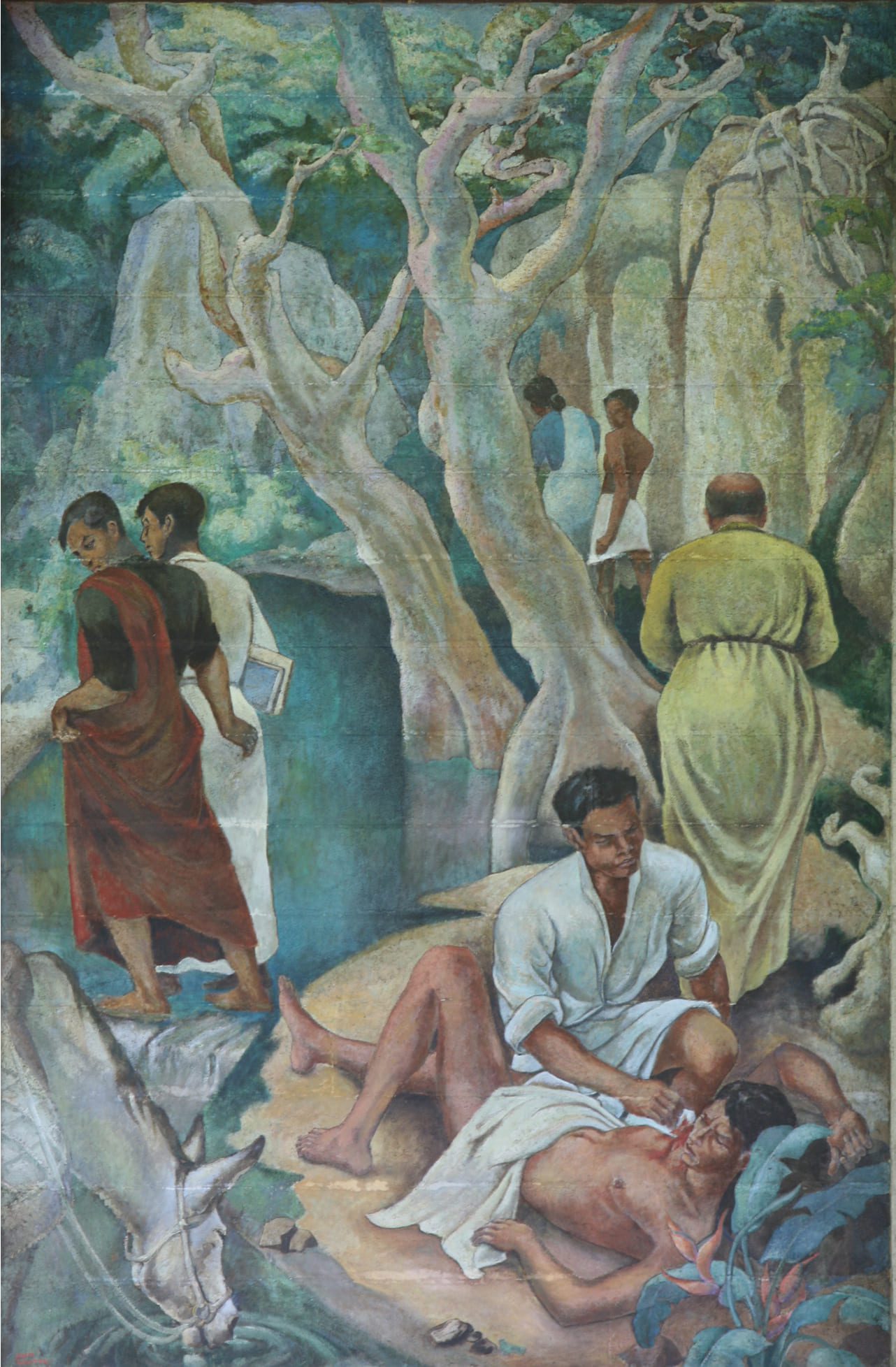
The mural titled The Good Samaritan, painted in 1957, brings the parable to life through Sri Lankan faces and a roadside scene familiar to the daily life of the island. The Samaritan bends to help a wounded man who has been ignored by others.

The setting and the expressions of the characters underline the message that compassion must cross cultural and social boundaries.

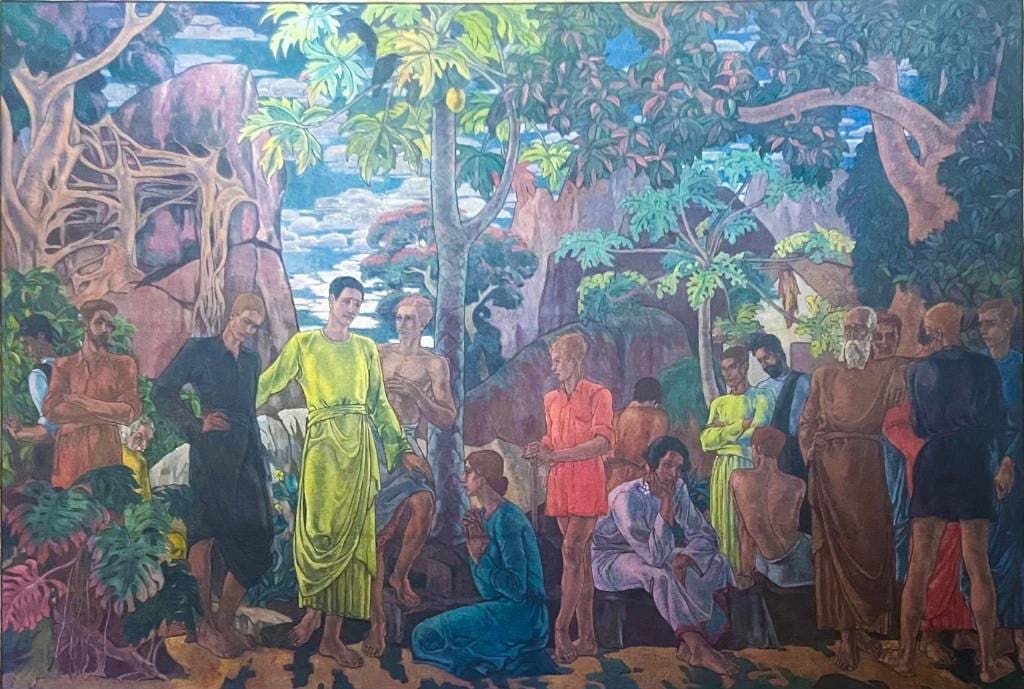
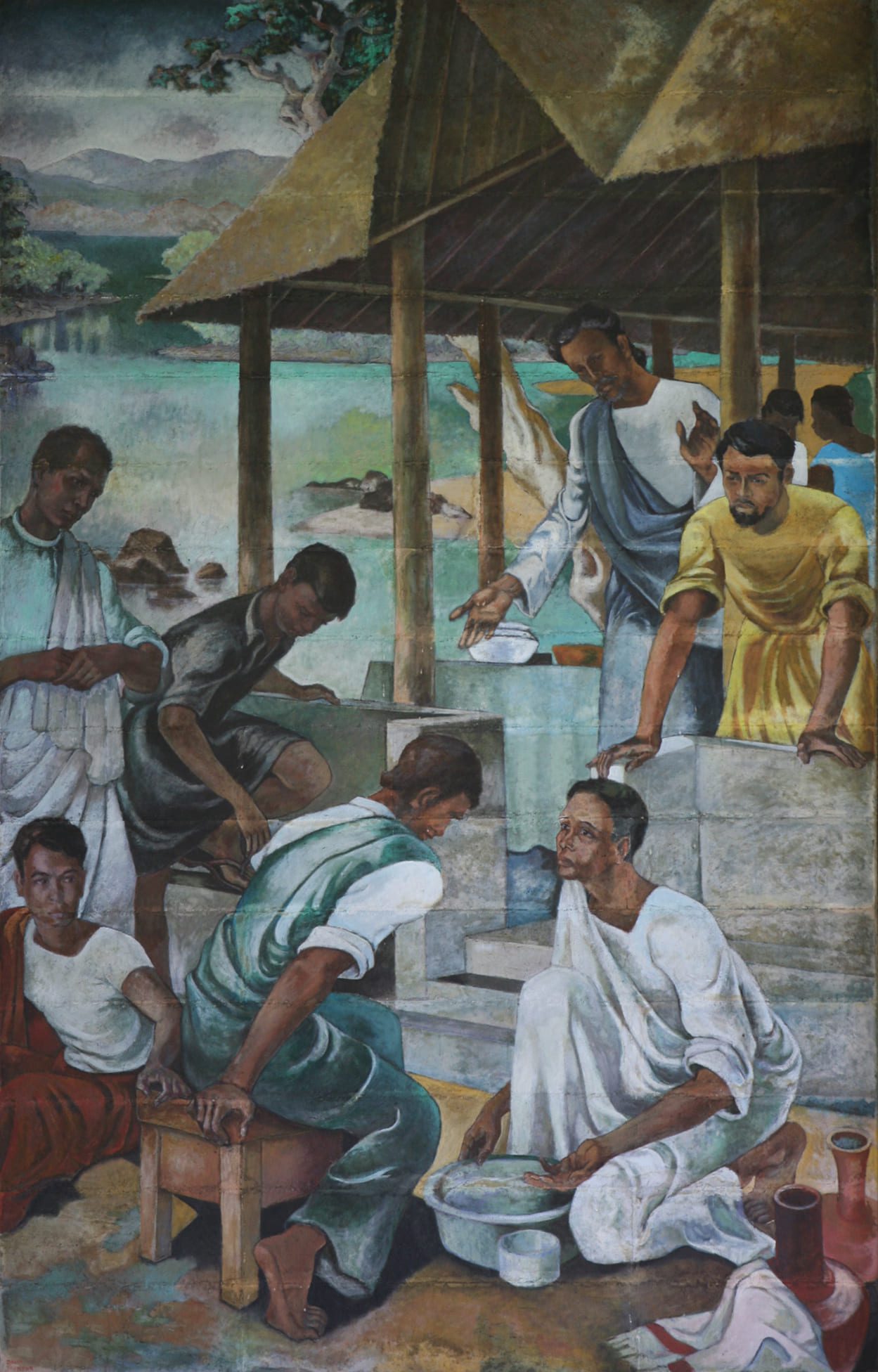
The final mural, Jesus Washing the Disciples’ Feet, was painted in 1965 and is located above the lectern. The scene takes place in a simple building inspired by Kandyan architecture, with the Sri Lankan countryside stretching into the distance.

Many of the faces represented in this mural were modelled on members of the Trinity staff at the time, creating a personal connection between the College community and the Biblical narrative.

Together these four murals create a visual journey that blends faith, culture, and identity. They deepen the spiritual atmosphere of the Chapel and remain a significant part of Sri Lanka’s artistic heritage.

The Side Chapel

The Chapel of the Light of the World

The Side Chapel is the earliest part of the Trinity College Chapel complex and holds a special place in its history. It was the first section to be built and was completed and dedicated on 23 March 1930, several years before the main Chapel was finished. Rev. John McLeod Campbell named it The Chapel of the Light of the World, a title that reflects its purpose as a space for quiet prayer and personal devotion.

The architecture of the Side Chapel carries the same spirit as the main structure, with granite pillars, carved timber, and an intimate connection to the natural surroundings. It became the testing ground for Rev. Gaster’s ideas about a Sri Lankan inspired place of worship, and its completion confirmed that a Chapel built in the local style was both possible and beautiful.

The Side Chapel is also home to David Paynter’s first mural, Are Ye Able, painted in 1928. The artwork fills the space with tropical light and vegetation, expressing the warmth and character of Sri Lanka while interpreting a Gospel story. This mural marked the beginning of Paynter’s long relationship with the Chapel and introduced a new way of presenting Christian themes within a Sri Lankan context.

Over time the Side Chapel has become a quiet refuge within the larger complex. It invites visitors to pause, reflect, and experience the stillness that lies at the heart of the Chapel’s design. For generations of students and worshippers it has served as a place of personal devotion and remains one of the most treasured spaces in the Trinity College Chapel.

The Vestry and the Bell Tower

The John Mcleod Campbell tower and the 365 year old bell

The Vestry and the Bell Tower stand together as the final architectural elements of the Trinity College Chapel. They complete the hilltop sanctuary with craftsmanship, symbolism, and a remarkable story that connects Kandy to a small parish in England.
 
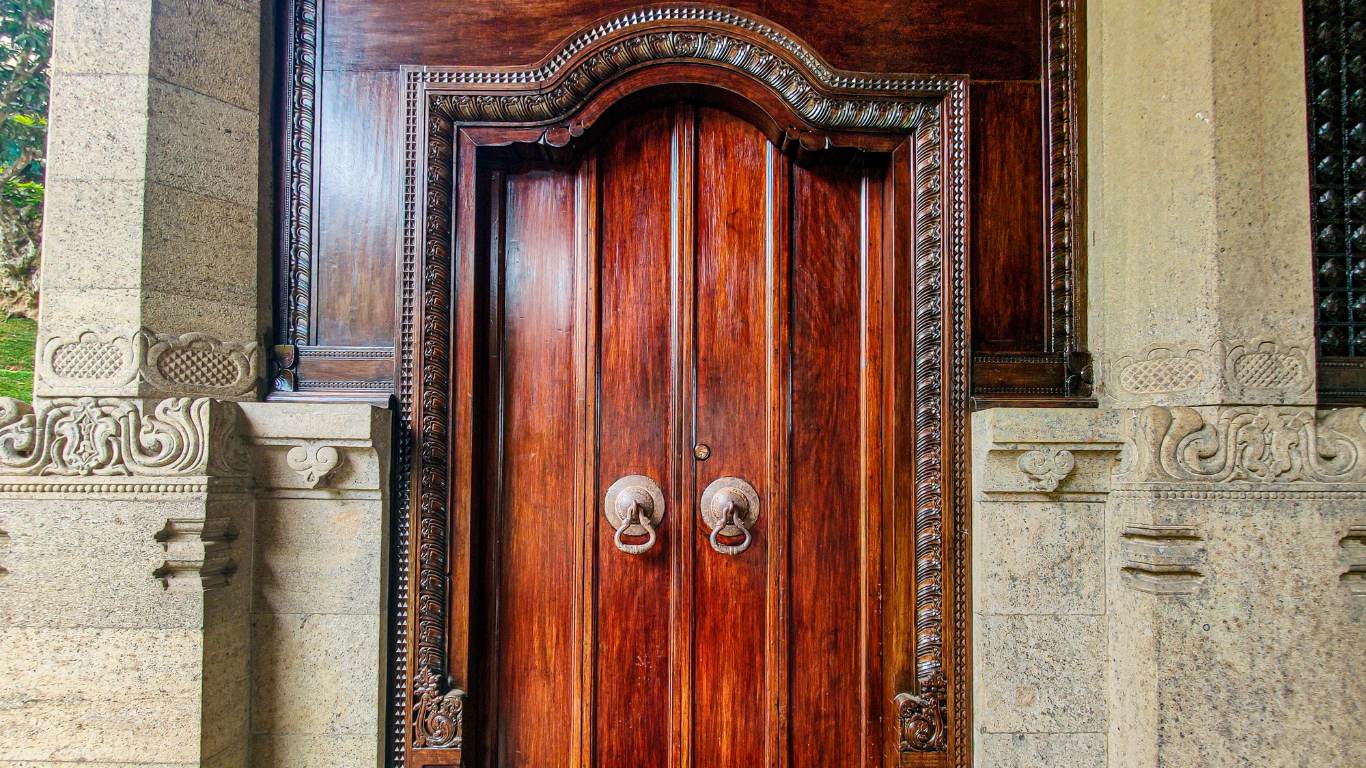
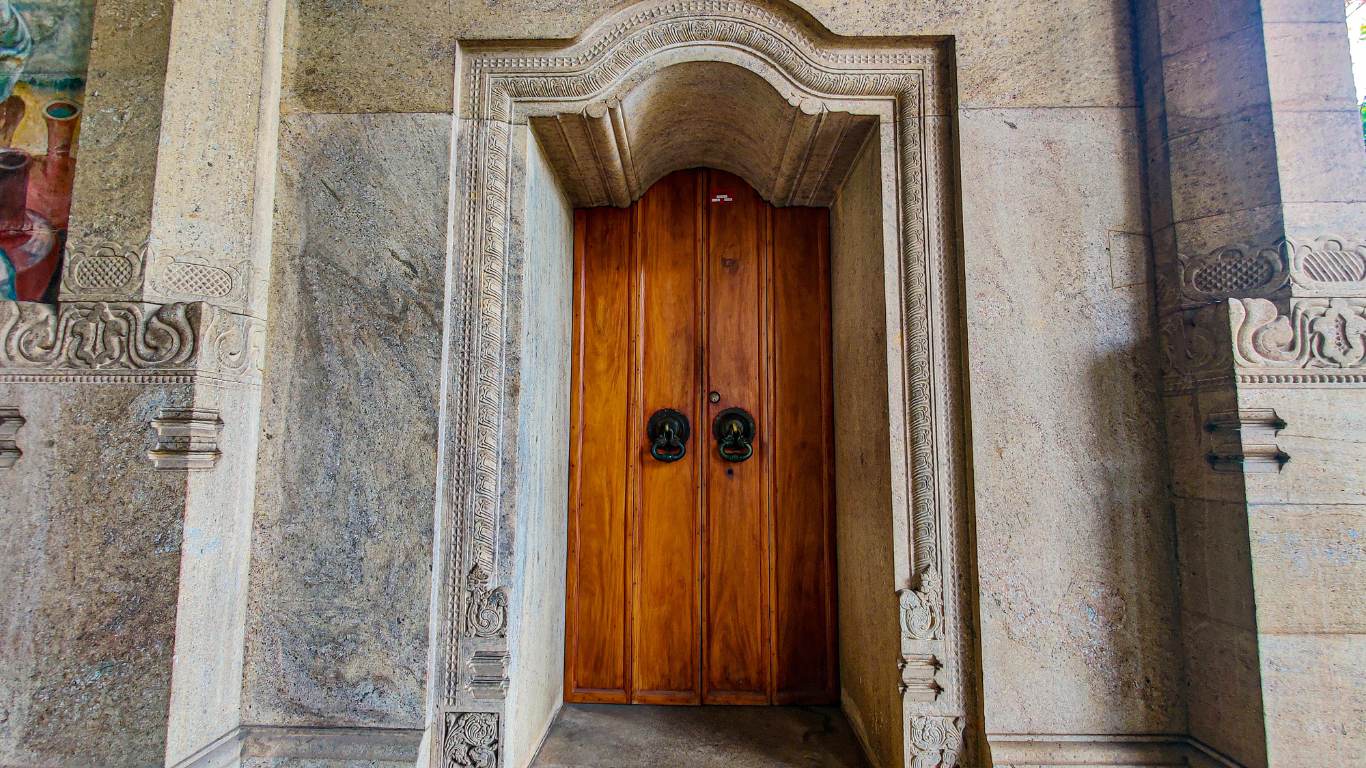
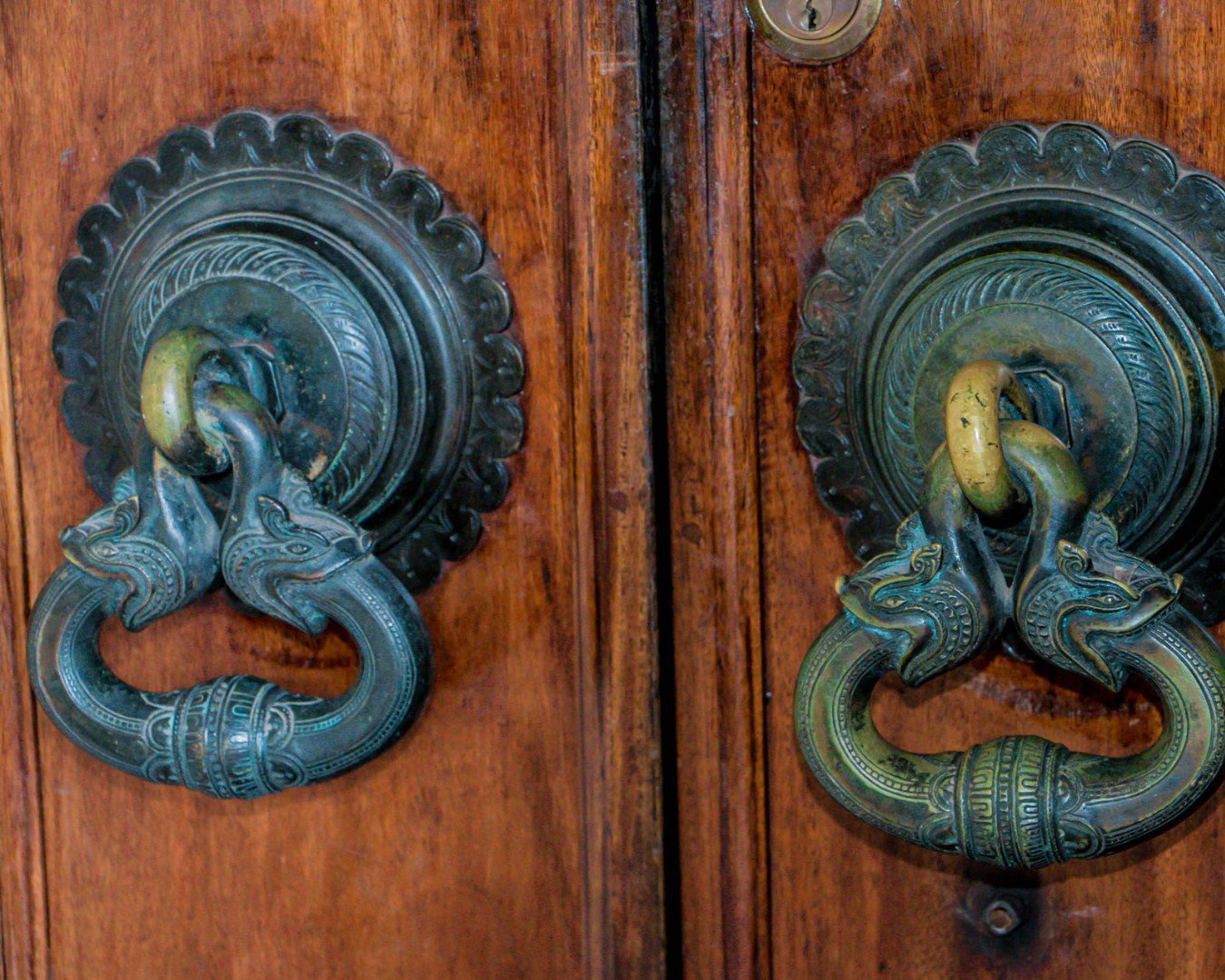
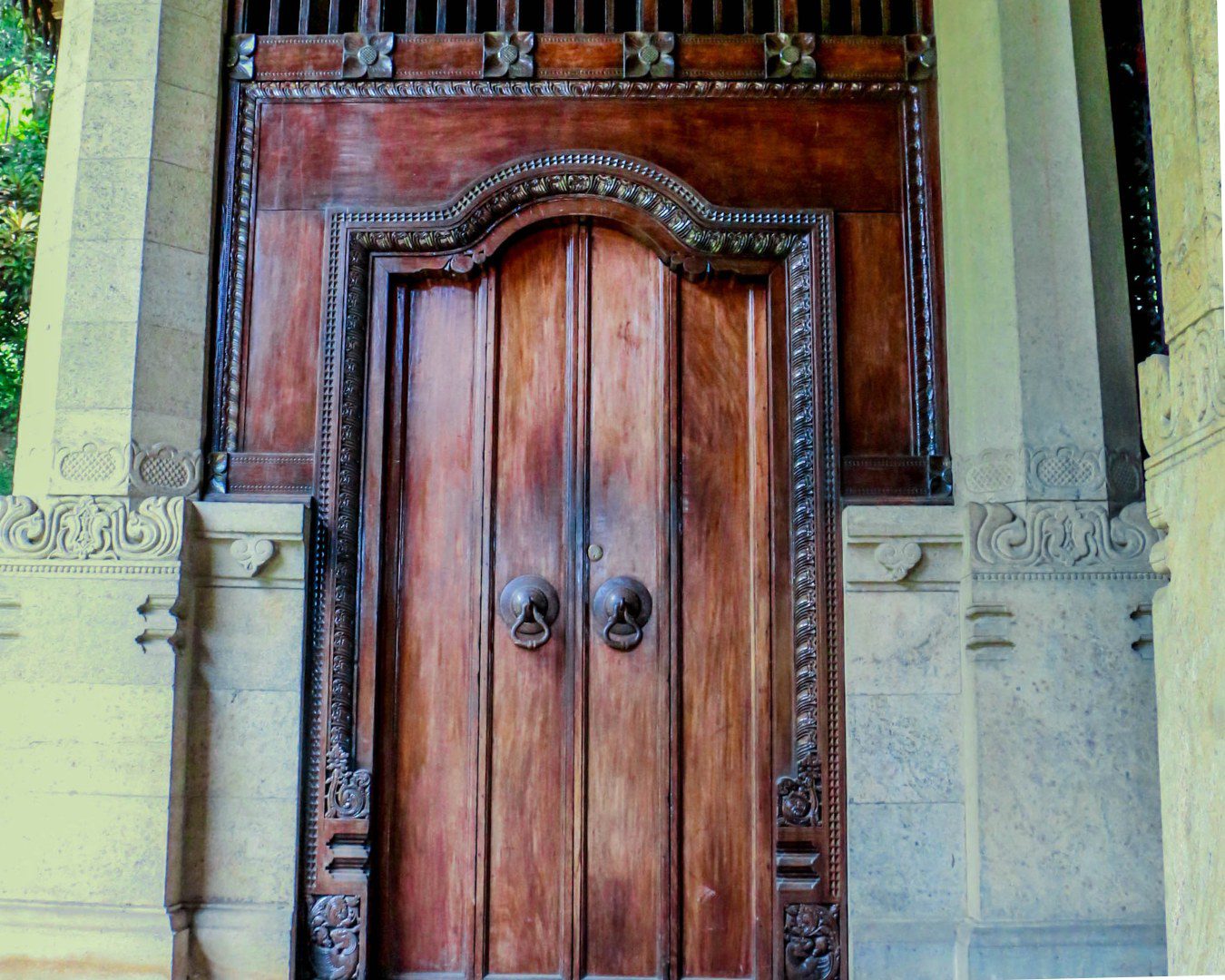
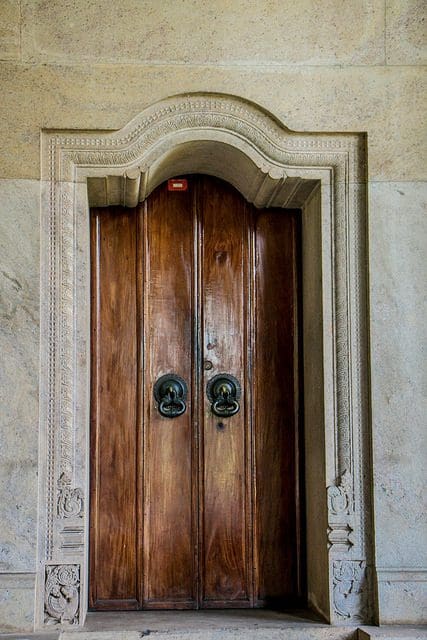
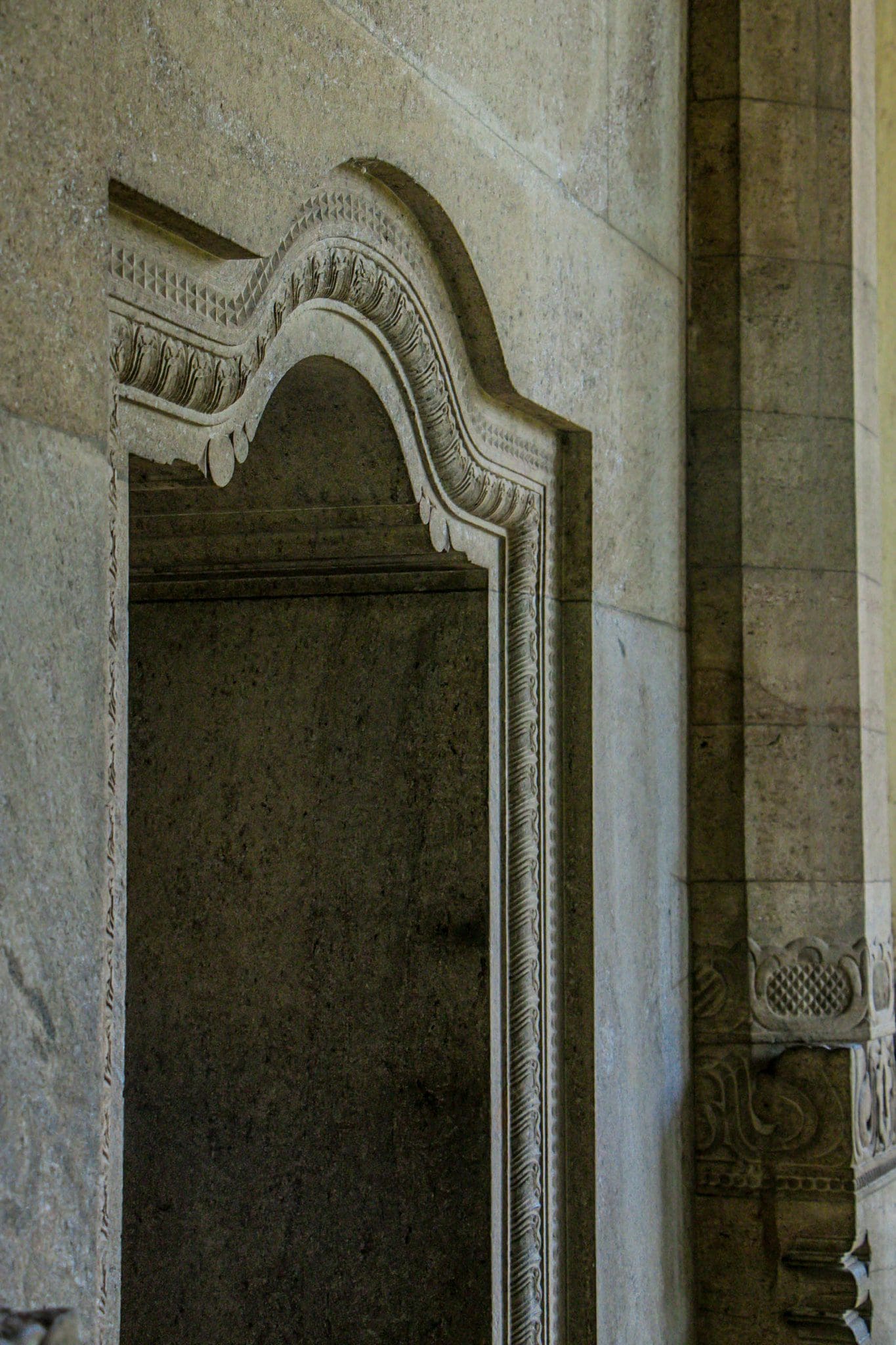
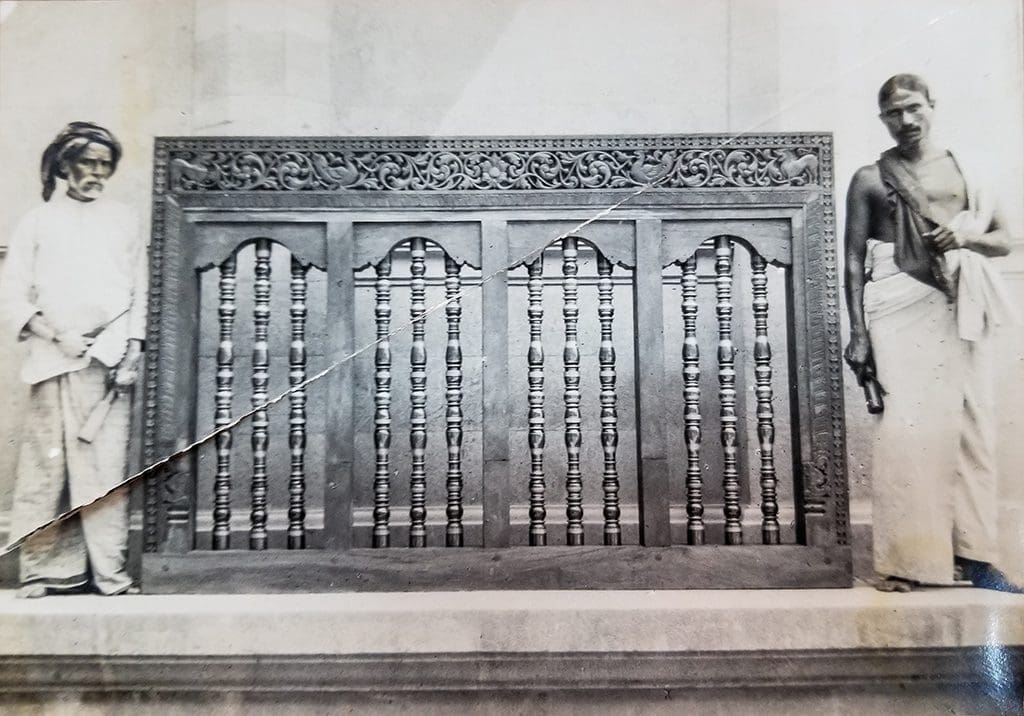
The Vestry occupies the ground level of the tower. It is fitted with doors made of gammalu wood, a timber traditionally reserved for sacred buildings. These doors were gifted by Old Boy C. Darmaratnam, and the metal fittings were donated by a worshipper who wished to remain anonymous. The stone frame around the vestry entrance carries traditional Kandyan carvings, including the Kesara Sinha motif at the base and a pair of Hansa swans above. This attention to detail reflects the same artistic spirit seen throughout the Chapel.
 
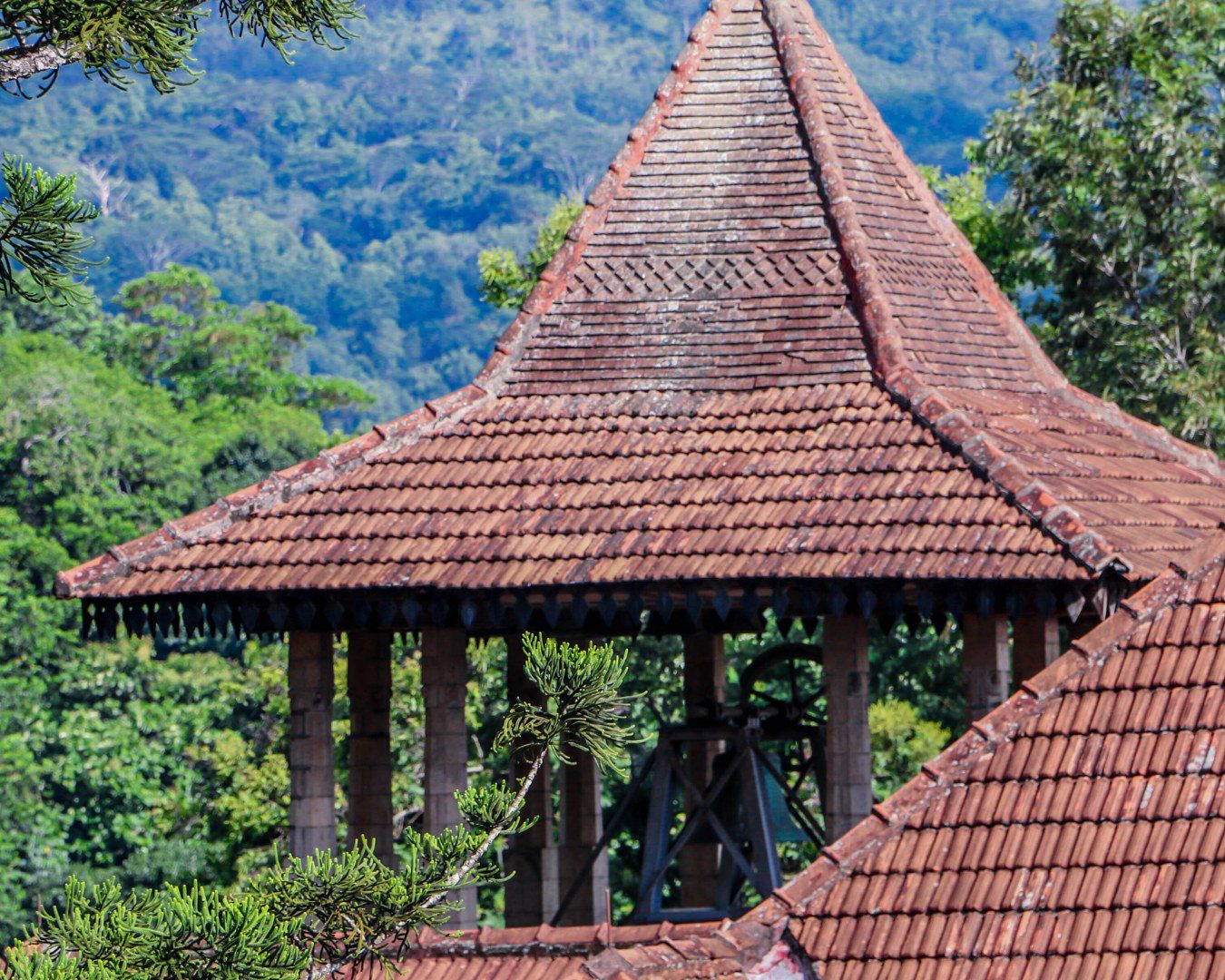
Above the Vestry rises the Bell Tower, built of granite blocks with a simple yet dignified form that complements the Chapel. Although envisioned during the original construction, work on the tower began only in 1965, following Mr Gaster’s revised plan. Some of the stone masons who had worked on the main Chapel, including Ran Naide and Ratanappu, returned to take part in this final phase, while Mr F. R. David was responsible for sourcing the necessary materials.
 
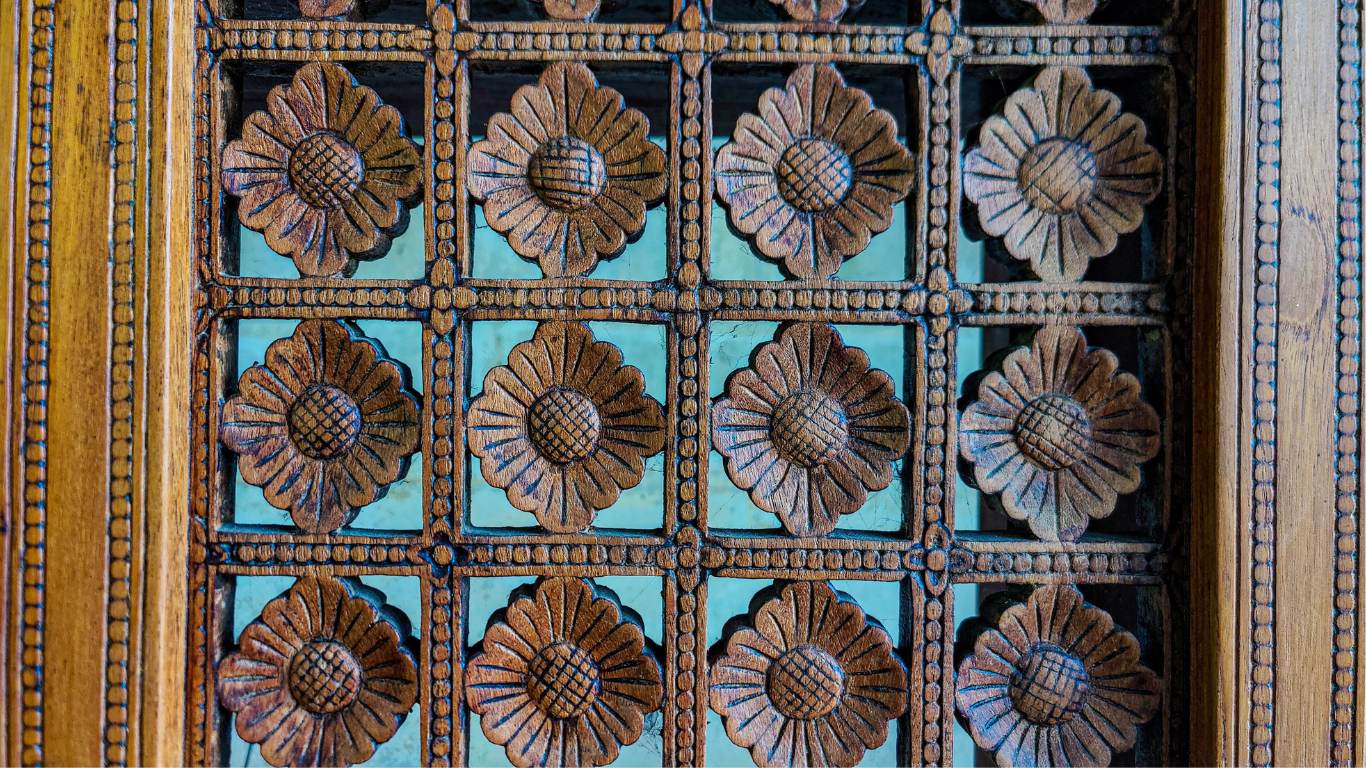
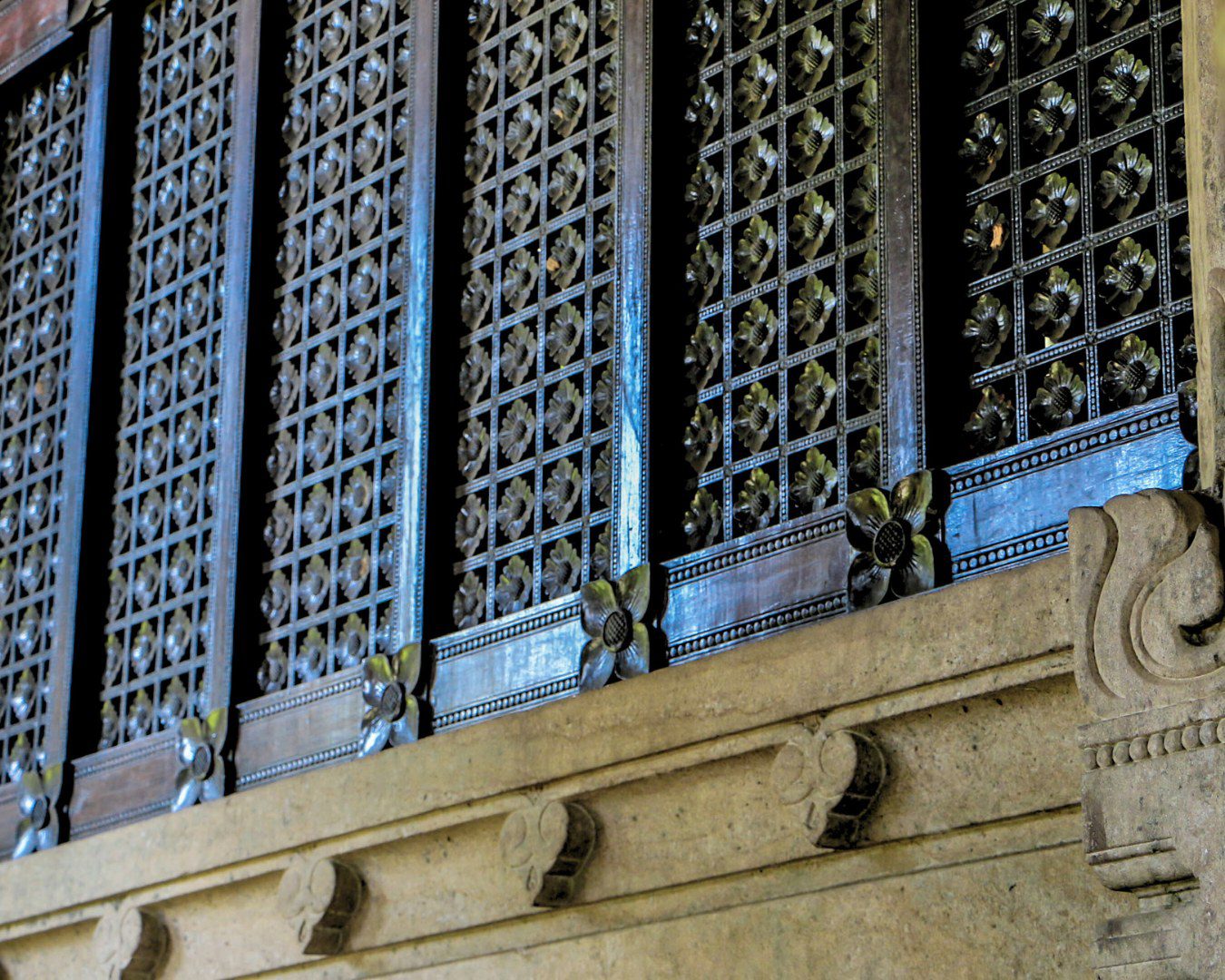
Securing marble for the perforated window grilles proved extremely difficult, and the project nearly stalled until Mr Barney Raymond, an Old Boy, generously donated the ten slabs required. This timely gift allowed the intricate carving work to continue, and each grille took months of skilled effort to complete.
 
By late 1969, the tower stood almost complete. It was dedicated on 8 December 1969, during the Festival of Nine Lessons and Carols, as the John McLeod Campbell Memorial Tower, honouring the Principal who served Trinity from 1924 to 1935.
 
At the time of its completion, the tower had no bell. Recognising that a church without a bell felt incomplete, the Chaplain, Rev Humphrey Whistler, informed his nephew Rev Humphrey Squire of the need. During a visit to Hemsby in England, Rev Squire found three unused bells from 1660 on the floor of St Mary the Virgin parish church. The vicar offered the largest as a gift to Trinity, calling it a missionary present from the people of Hemsby.
 
Transporting this 365-year-old bell to Sri Lanka required months of effort. Rev Squire secured legal permissions, arranged shipping, and received assistance from Dr Robert Stopford, former Principal of Trinity and then Bishop of London. The bell was carried to Ceylon aboard the SS Mulbera, courtesy of the British India Steam Navigation Company, after careful crating and preparation.
 
In Kandy, the task of hoisting the heavy bell into its tower was handled by Walker, Sons and Company under the guidance of Major Ranawake, an Old Boy. Funding for the tower had been generously provided by F. N. Schoorman, also an Old Boy. The bell was later blessed by Metropolitan Emeritus Rev Lakdasa De Mel on 6 August 1972.
 
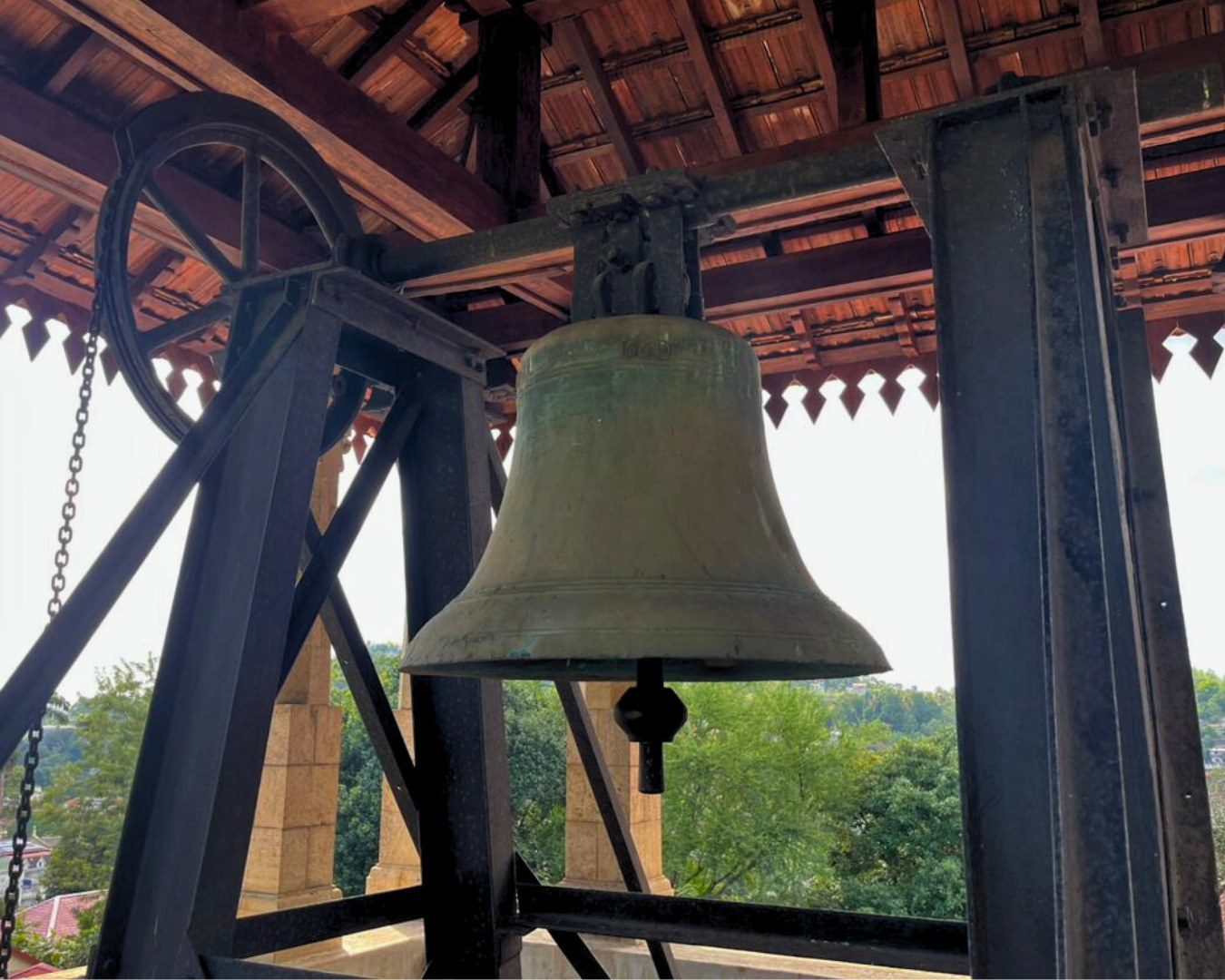
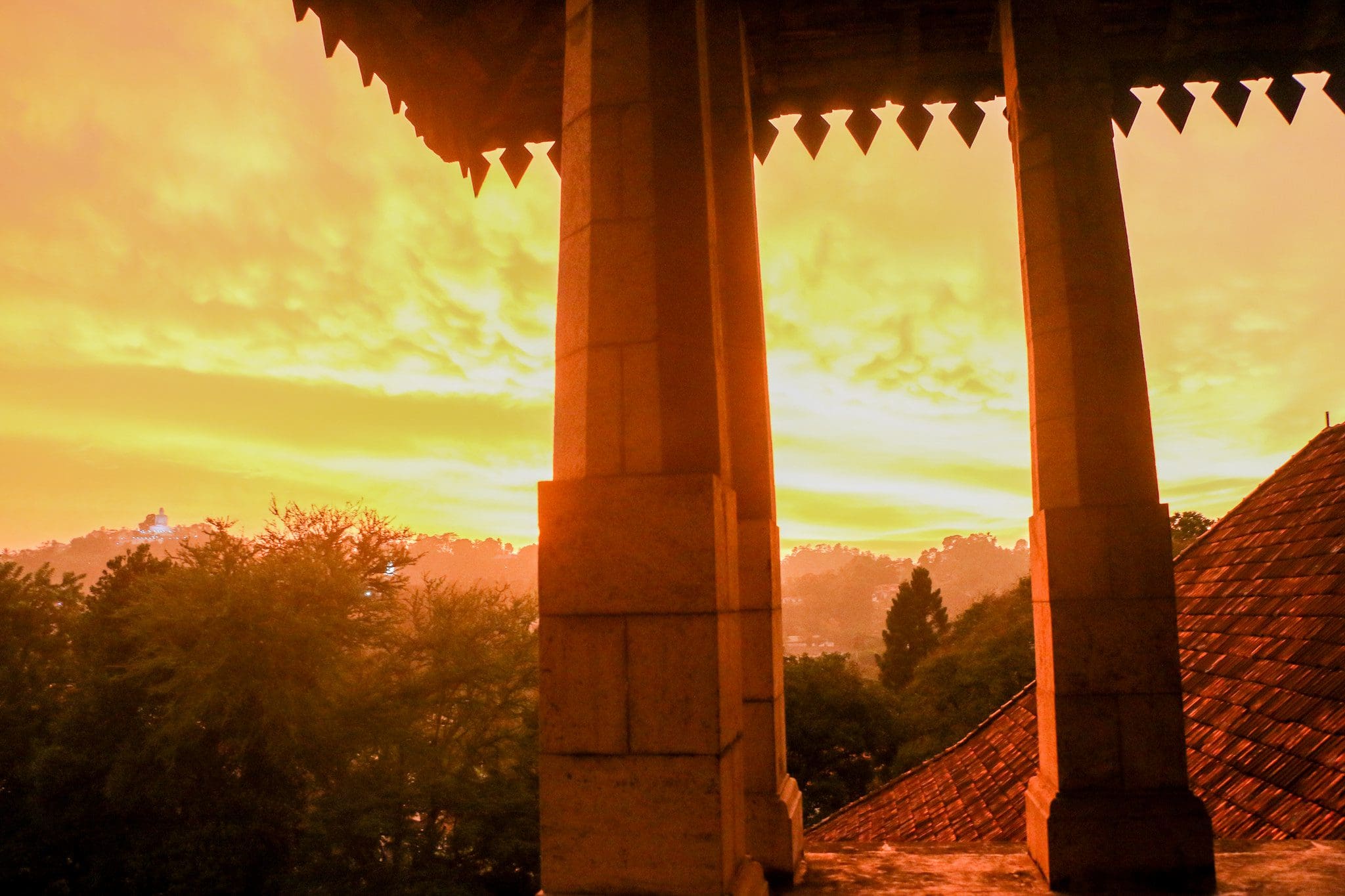
Inside the upper level of the tower, the bell hangs from a wheel and roller mechanism supported by iron bars. A rope descends to the Vestry below, enabling it to be rung for worship. The top of the tower opens to the landscape, framed by twelve small granite pillars that offer a sweeping view of the Hanthana mountain range and the Bahirawakanda hills.
 
More than three and a half centuries old, the bell rings in the musical note G sharp. Its voice calls the Trinity community to worship and marks significant moments in the life of the College. Today, it remains one of the most recognisable and cherished sounds on the hill.

 
The College gratefully acknowledges Mr Uthsara Dissanayake of the Batch of 2021 for his research that helped uncover and preserve the story behind the Chapel bell. The full research article can be found at https://trinitycollege.lk/2019/04/30/the-john-mcleod-campbell-tower-and-the-359-year-old-bell/
.

Experience the voice of the Chapel’s 1660 bell, still calling the community to worship after centuries.

The entrance to the Vestry with intricate carvings

Coat of Arms

The British School Connection Written in Stone

Along the left nave of the Chapel stand ten granite pillars whose inward-facing capitals are carved with the Coats of Arms of distinguished British schools and colleges. These carvings were created in the late 1920s and early 1930s when several institutions contributed the cost of a single pillar, a gift of one thousand rupees which was considered a generous contribution at the time. Rev John McLeod Campbell, Principal from 1924 to 1935, wrote that these emblems would show how a Public School of the East had been built upon the traditions of the great schools of the West, and that the engraved Coats of Arms would acknowledge a relationship valued by both sides.

The institutions represented include well-known British colleges such as Balliol and New College at Oxford, along with several leading public schools including Eton, Repton, Rossall, Marlborough, Hertford, Wellington, and Winchester. Skilled craftsmen carved each emblem into the stone, adapting heraldic imagery so that it harmonised with the traditional Sri Lankan motifs that decorate the surrounding pillars. The result is a distinctive fusion of cultural identities, where Western heraldry meets the artistry of local stone carving.

These symbols have become an important element of the Chapel’s character. They preserve the memory of the generosity that helped build the Chapel and reflect the international connections that shaped the early years of Trinity College. Information about these carvings has been compiled with the assistance of Mr Rochel Canagasabey of the Batch of 2014 and photographed by Mr Nilesh Gordan Perera of the Batch of 2012.

Worship and Community Life

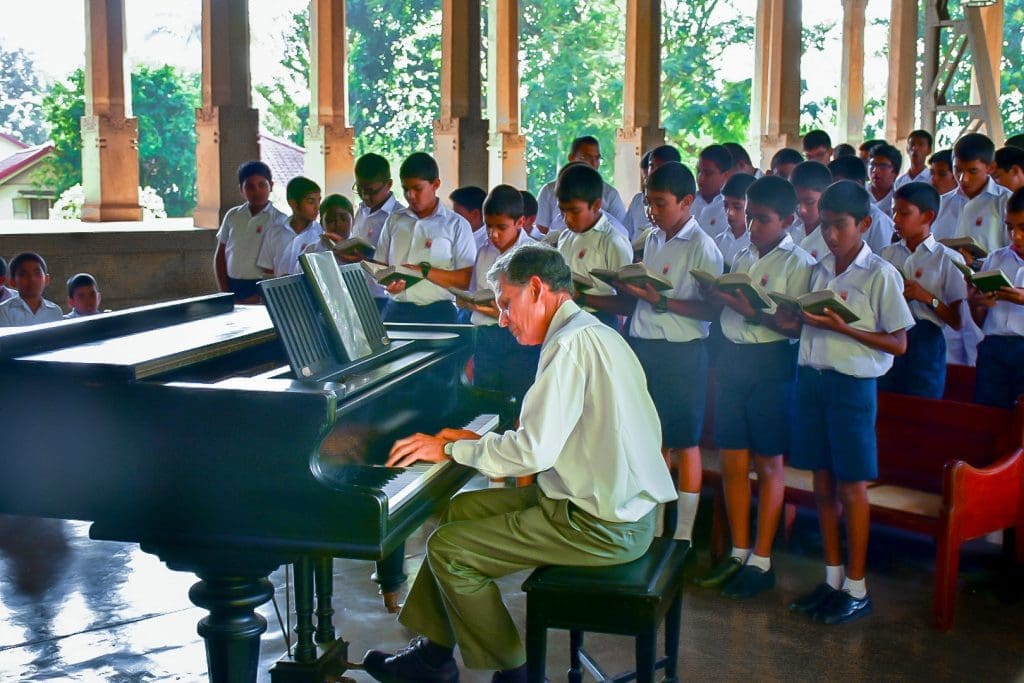
Worship has always been at the heart of the Trinity College Chapel, and the building continues to serve as the spiritual centre of the school. Throughout the week the Chapel welcomes students, staff, families, and visitors for regular services, morning devotions, and the major celebrations of the Christian year. Its open design allows the sounds of prayer, music, and daily life to blend naturally with the surrounding landscape, creating an atmosphere of calm and reflection.

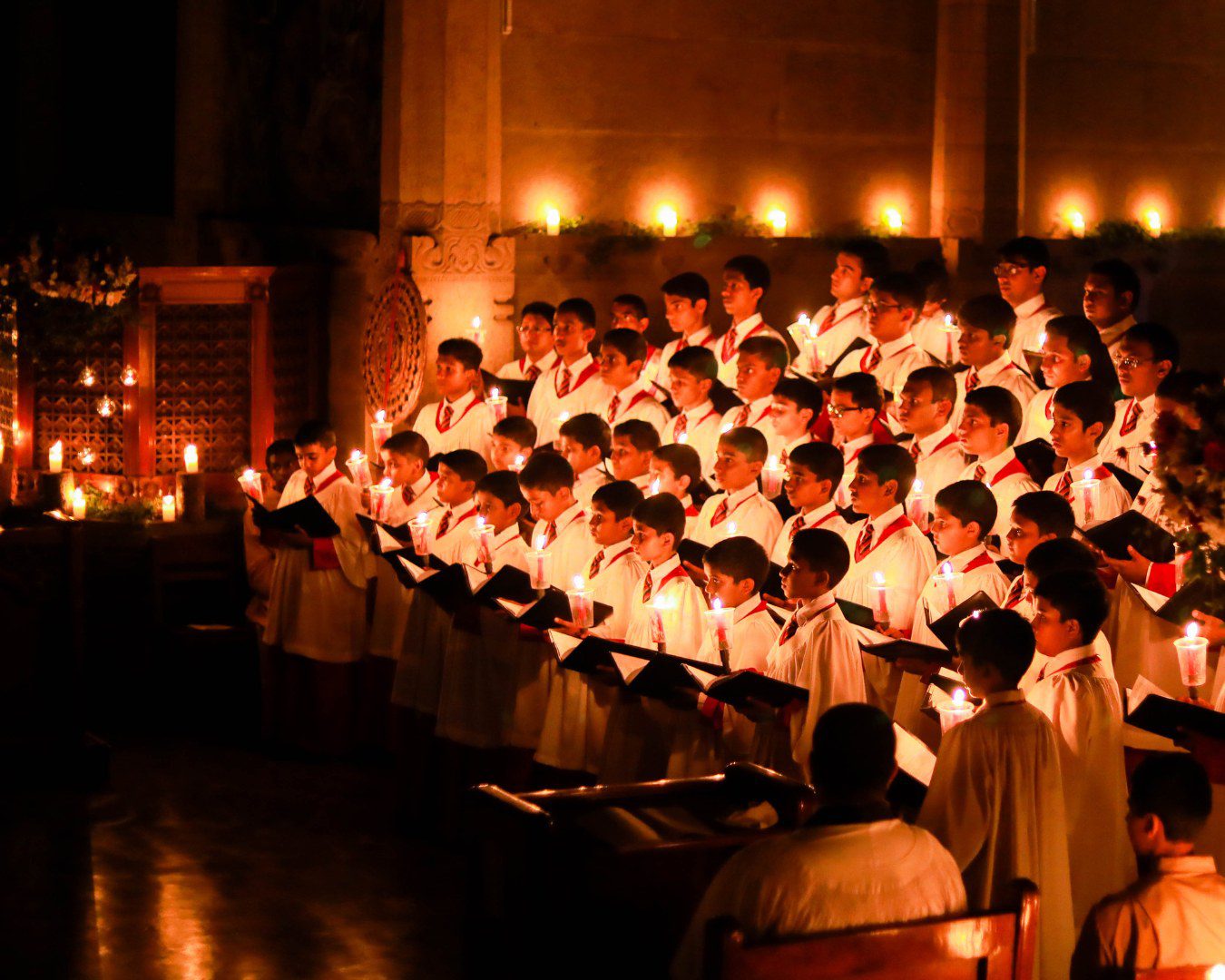
The Choir plays a central role in shaping this life of worship. Its music enriches every major service, from the Cross and Triumph of Christ to the much loved Festival of Nine Lessons and Carols. Through its presence at Sunday morning worship and school services, the Choir adds depth, beauty, and continuity to the Chapel’s spiritual rhythm.

The Chapel gathers the community each Sunday morning for worship that welcomes students, parents, Old Boys, and visitors. On school days the Chapel becomes a place of shared reflection once again, with morning services held every Tuesday and Thursday. These moments help frame the week and keep the Chapel closely woven into daily life at Trinity.

Supporting this rhythm is the Servers’ Guild, whose members prepare the sanctuary, assist the clergy, and help maintain the dignity and flow of each service. The Student Christian Movement provides a space for students to explore faith and fellowship, encouraging them to reflect and grow through service. Scripture School, held after the Sunday service, offers younger students time for biblical teaching and guidance in a setting that is both thoughtful and welcoming.

Together these traditions form a living community of worship. The Chapel is not only a historic building but a place where generations of Trinitians have prayed, sung, learned, and deepened their sense of faith and belonging.

Carols from Trinity - sung by the Choir of Trinity College Kandy

Visiting Information

The Trinity College Chapel is open to visitors who wish to experience its architecture, history, and atmosphere of worship. The Chapel is accessible to the general public by prior request, and visitors are kindly asked to email the Chaplain at chaplain@trinitycollege.lk
before planning their visit.

During school days the Chapel may be visited after 2.30 pm, when academic activities have ended. On weekends the Chapel is open throughout the day, provided that no services, weddings, rehearsals, or school events are taking place. Visitors are asked to enter quietly, dress modestly, and respect the reflective nature of the space. Photography is permitted as long as it does not disturb worship or ongoing activities. Flash photography is not allowed, particularly near the murals, as bright light can cause damage to these historic works of art.

Those who wish to explore the Chapel and its surroundings further may contact the College for additional information. The Chapel continues to welcome Old Boys, families, and travellers who are drawn to its beauty and heritage.

Donations

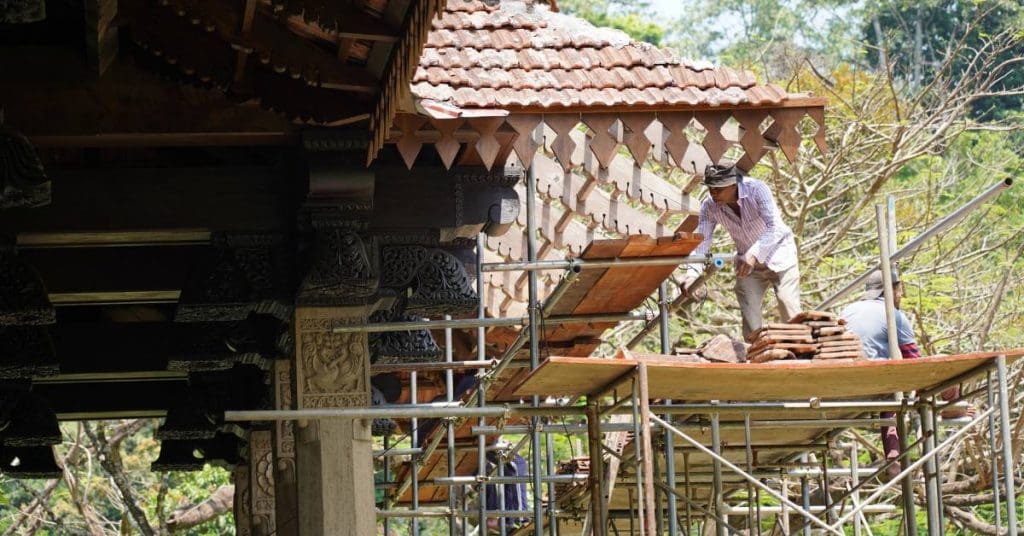
The Trinity College Chapel has stood for more than a century as a landmark of worship, heritage, and craftsmanship. In September 2025 the College completed a major Restoration Project that addressed the urgent structural and conservation needs of the Chapel. This work was essential, because decades of exposure to humidity, dampness, air pollutants, and natural ageing had slowly but steadily affected the stone pillars, the timber roof structure, and the murals painted by David Paynter. Expert studies highlighted the need for immediate intervention to secure the future of the building.

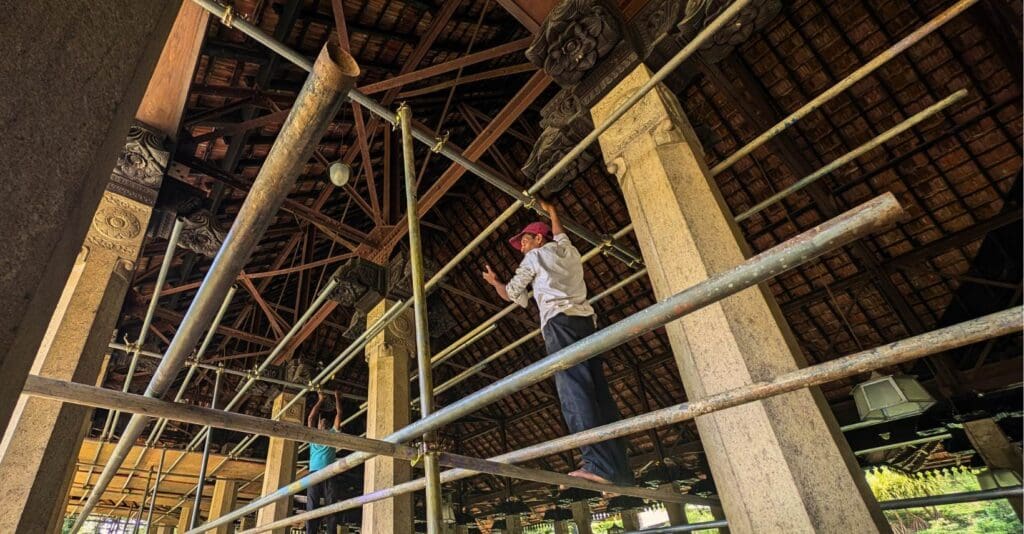
The Restoration Project carried out a wide range of repairs. The roof and foundation were strengthened, leaks were sealed, cracked walls were repaired, and decayed rafters and eaves were replaced. The stone pillars and carved pekadas were cleaned and stabilised. The murals received careful restoration from specialists who ensured historical accuracy while preserving their original character. The Chapel also received modern upgrades that do not disturb its aesthetic, including new electrical wiring, improved lighting that highlights its architecture, and a refined sound system that supports worship and musical performance.

Although the formal Restoration Project concluded in 2025, the Chapel continues to rely on ongoing support for maintenance, conservation, and the careful stewardship required by a heritage building of this scale and age. Regular care is needed to preserve the structural integrity of the roof and pillars, ensure proper environmental conditions for the murals, and maintain the systems that protect the Chapel and allow it to serve the community.

Those who wish to contribute to the continued preservation of the Chapel may do so through the College. Every gift helps safeguard a building that has inspired generations of Trinitians and remains one of the most treasured examples of Sri Lankan architectural and spiritual heritage. Continued support ensures that the Chapel will remain a sanctuary of beauty and reflection for all who come in the years ahead.

Donate

Make a contribution to the Chapel Maintenance Fund

Card Payment

We accept donations via VISA and MASTERCARD payments

Bank Transfer

You can make a donation via a bank transfer to the following Bank Account:

Name: Trinity College Kandy

Bank: Commercial Bank

Account: 100 034 3975

Branch: Kandy

Branch Code: 7056004

Branch Address: No 120, Kotugodella Street, Kandy.

Email: fm@trinitycollege.lk

Swift Code: CCEYLKLX

Please state CRP – (Your Name) under reference.

For further details and inquiries, please email fm@trinitycollege.lk 

QR SCAN PAYMENT

You can scan the QR code below to make a QR payment to our Bank account.

Please use a QR Payment app (not a QR Reader) to scan and make payments

Maximum Transaction Limit: Rs. 200,000.00

For Local Transactions: You can use any LANKAQR-enabled mobile application to pay via QR. For a list of applications you can use, please click here. 

For Overseas Transactions: You can use any payment app compatible with VisaQR, MasterCardQR, and UnionPayQR standards to perform transactions.

Explore a 3D Walkthrough of the Chapel