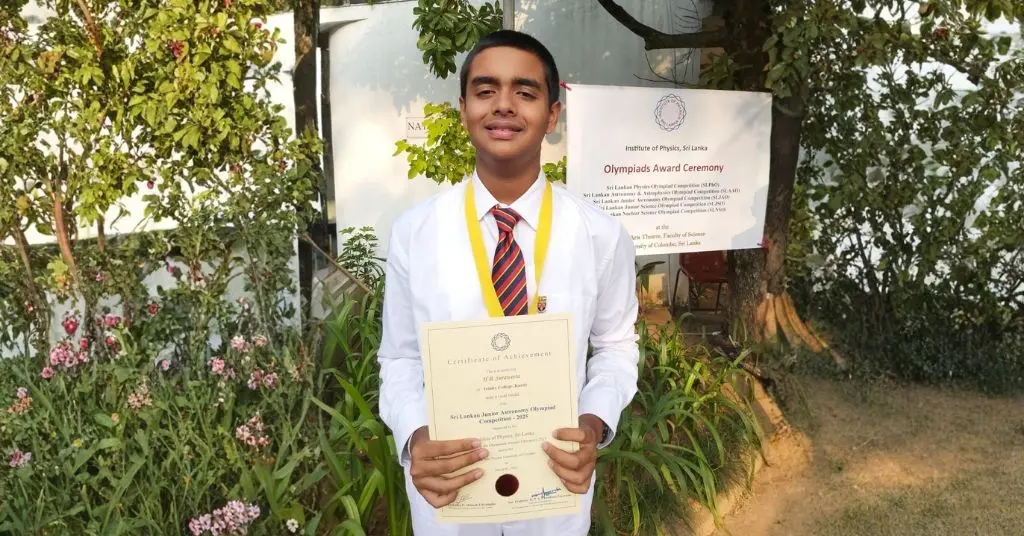





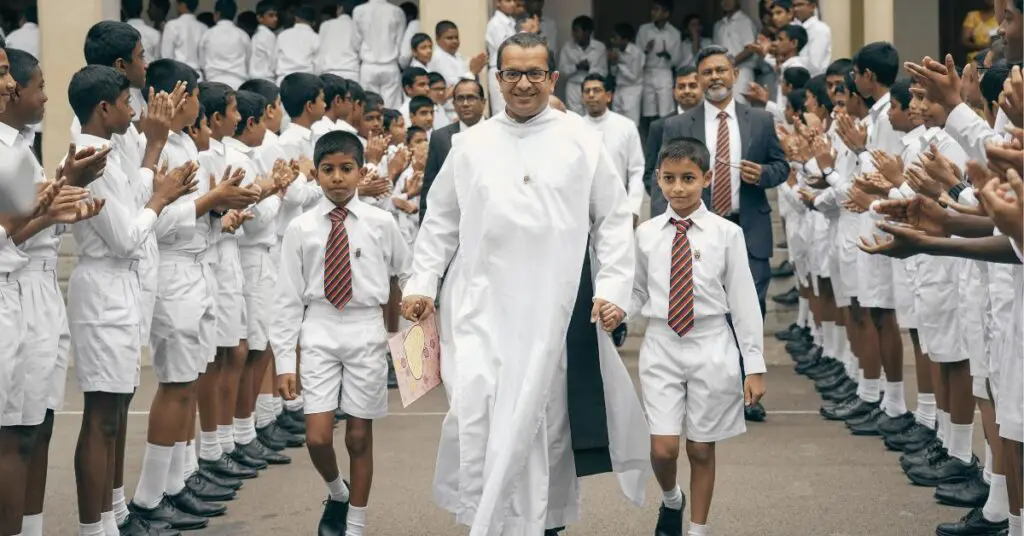
A reflection on Fr. Araliya Jayasundara OSB’s more than five years of service, leadership and stewardship at Trinity College, Kandy.
There are moments in the life of an institution when a change of leadership becomes more than a change of office. A Principal leaves, but a school remains. The buildings remain. The bells continue to ring. Students continue to walk through the gates. And somewhere between what has been inherited and what has yet to be built lies the true measure of a Principal’s legacy.
On 7 August 2026, Very Rev. Fr. Araliya Jayasundara OSB relinquished the office of Principal of Trinity College, Kandy, bringing to a close a principalship of more than five years that began in extraordinary circumstances and became a significant period of institutional renewal in Trinity’s recent history.
But Fr. Araliya’s departure is not, in the deepest sense, an ending. It is a handover. For more than five years, he served an institution that was already far more than a school, a community shaped by faith, scholarship, sport, service and a strong sense of identity. His task was never simply to manage Trinity. It was to serve it, strengthen it and carry it forward.
Before becoming Principal, Fr. Araliya was a Trinitian himself. A member of the Class of 1996, he served in the School Officers’ Guild and led the Oriental Music Society. He also took part in cricket and basketball at House level, experiencing the camaraderie and competitive spirit that were part of student life at Trinity. He knew the College not simply as an administrator, but as a student who had experienced its classrooms, sports fields and traditions. His journey then took him into the Benedictine vocation and a career in education. He pursued studies in philosophy, theology, education and organisational management, became a Senior Fulbright Research Scholar at the University of California, Santa Barbara, and gained extensive experience in school administration at St. Anthony’s College, Kandy. Then, in 2020, he came home.
His return to Trinity brought together two parts of his identity: the Trinitian who had once walked through the College gates and the Benedictine priest whose vocation was rooted in faith, service and community. These became important dimensions of his approach to leadership. For Fr. Araliya, leadership was not simply about holding an office. It was about responsibility for the people and institution entrusted to his care.
The Trinity Board of Governors appointed him Principal on 24 August 2020, with his installation taking place in the College Chapel on 25 September. But his principalship began during one of the most difficult periods for schools in recent memory. COVID-19 meant that Fr. Araliya did not receive a normal beginning. Schools were disrupted, students were separated from classrooms and sports fields, and co-curricular activities were restricted. Trinity had to find ways to keep its community connected while ensuring that education continued.
His first challenge was therefore not trophies or expansion. It was continuity. Classes had to continue, students had to remain engaged, management structures had to adapt, and new programmes, including the International A/L programme, were developed. Plans for the physical and academic renewal of the College also began taking shape. The foundation of his leadership was therefore laid not in celebration, but in resilience and service.
This was an early expression of servant leadership. At a time of uncertainty, the priority was not what could be achieved for the Principal, but what needed to be done for the College community. Education had to continue. Students had to remain connected. Teachers and staff had to adapt. The institution had to keep moving.
The defining strategic idea of his principalship was T150. The sesquicentennial anniversary was not intended merely as a celebration of Trinity’s history. It was envisioned as a bridge between heritage and the future. At its heart were four values: integrity, service, excellence and resilience.
These values also shaped Fr. Araliya’s understanding of education. His vision extended beyond examination results. He repeatedly emphasised academic development, character formation and practical skills, preparing students not merely to pass examinations, but to navigate an increasingly complex world. Education, in this sense, was about the formation of the whole person.
For a Christian school, that formation carries a deeper responsibility. Excellence without humility can become achievement for its own sake. Leadership without service can become authority without responsibility. Fr. Araliya’s emphasis on service and character reflected a different understanding: that the abilities entrusted to a student should ultimately be used for the good of others.
The ambition was simple: to shape people, not merely students.
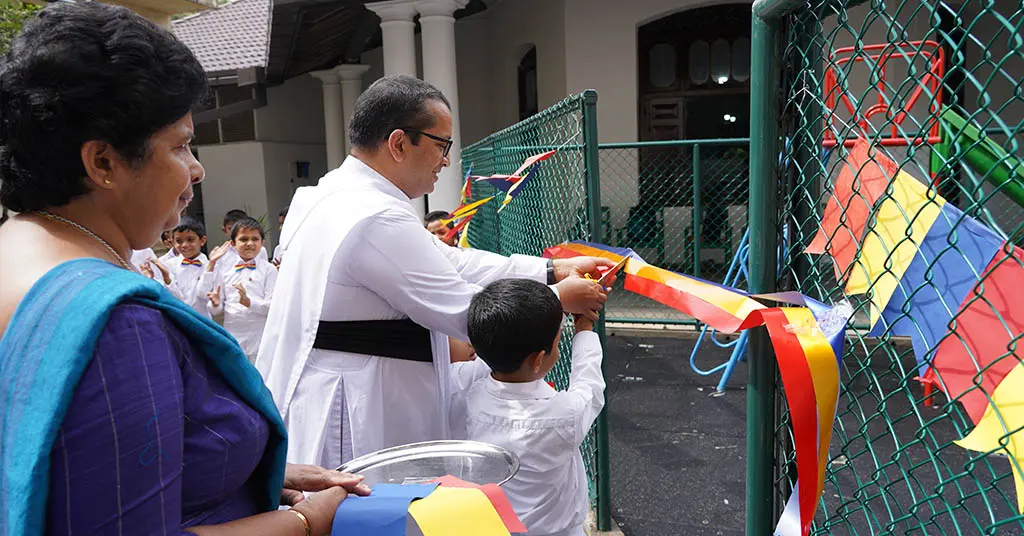
Perhaps the most visible expression of this vision was the transformation of the College itself. During Fr. Araliya’s tenure, historic spaces such as Napier House, the Quadrangle and Alison Boarding House were restored, while new facilities including the Abeyratne-Jeyaraj Block and T150 Science Building strengthened academic infrastructure. The College Chapel underwent extensive restoration, while TELA, the Trinity Eco Learning Arena, introduced a new approach to outdoor learning. Sporting facilities, including gymnasia and the Asgiriya Badminton Complex, were also developed.
What made these changes significant was the balance between the old and the new. The Chapel and Quadrangle represented Trinity’s heritage, while STEM, AI, robotics and digital learning represented its future. The goal was never to choose between them, but to make them coexist.
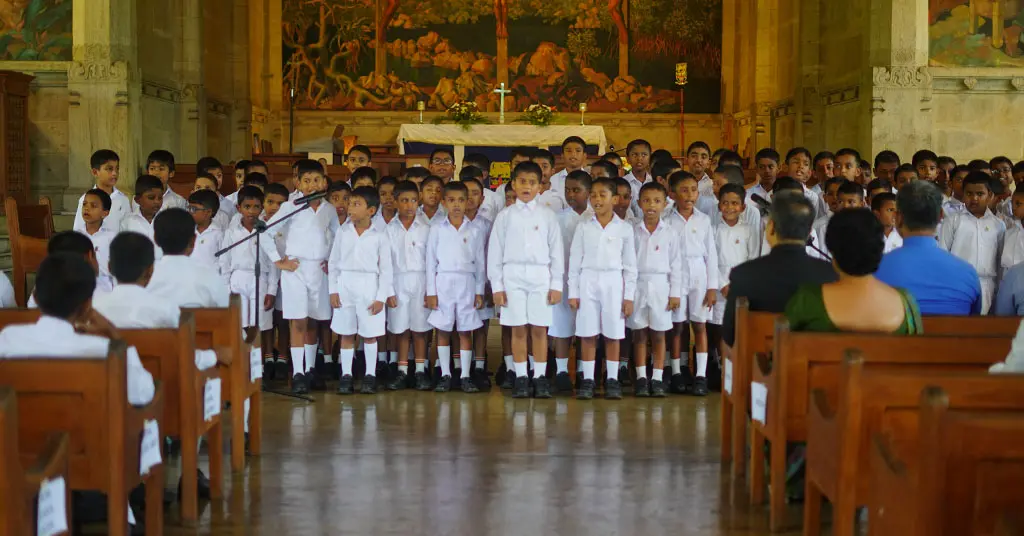
The restoration of the Chapel perhaps captured this philosophy best. Preserving its murals, woodwork and architecture was not simply a construction project; it was an act of preserving institutional memory while preparing the College for a new generation. The Chapel remained not only a building, but a reminder of the faith and tradition within which Trinity’s educational mission has developed.
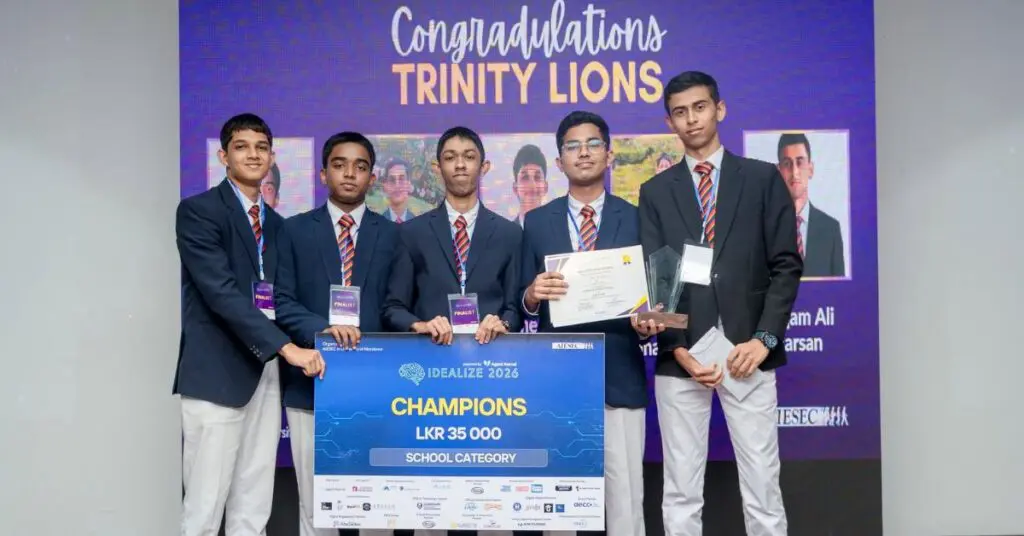
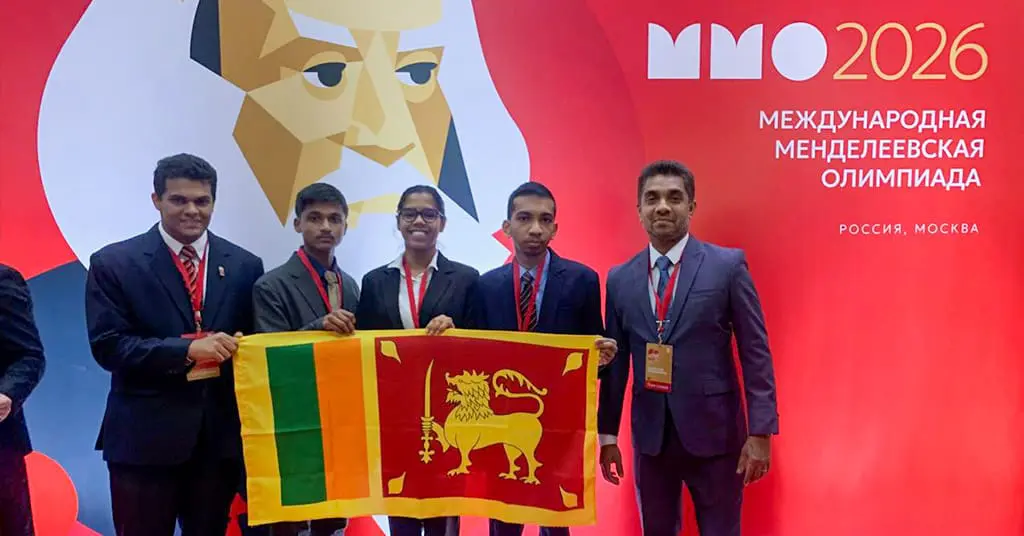
The transformation also extended beyond physical infrastructure. Trinity’s digital presence grew significantly during Fr. Araliya’s tenure, with PROMWEB helping develop the College’s media and web presence. In 2024, the College website received two BestWeb.lk awards. At the same time, Trinity placed increasing emphasis on STEM, AI, robotics, innovation and scientific inquiry. Initiatives such as Invicta encouraged students to explore science beyond the classroom, while the International A/L programme strengthened Trinity’s connection to a broader global academic landscape.
The message was clear: Trinity could honour its past without being confined by it.
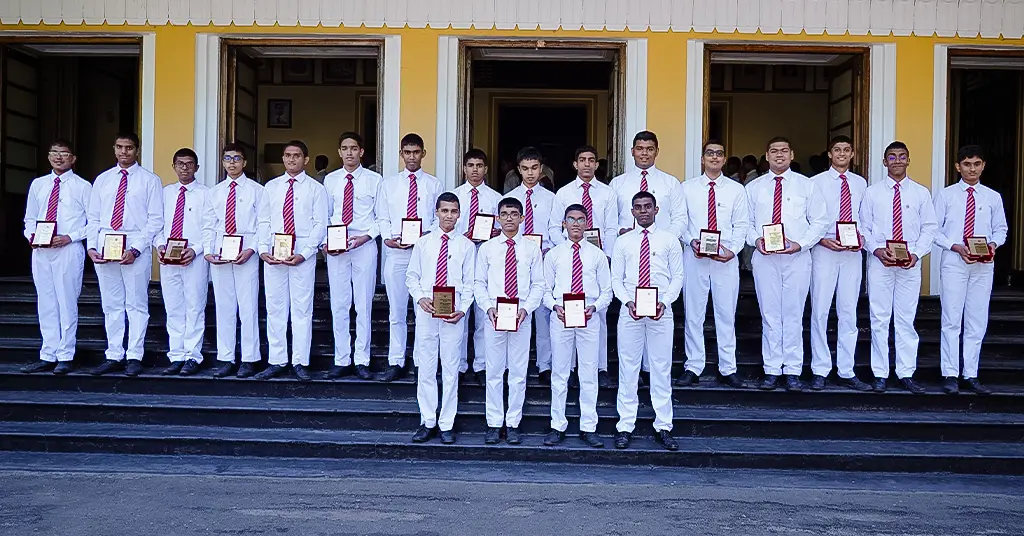
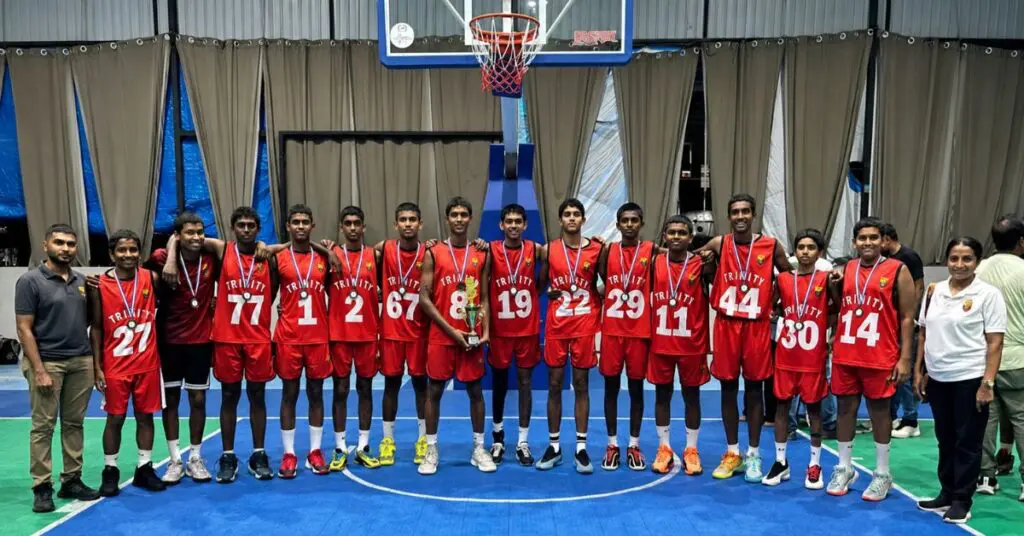
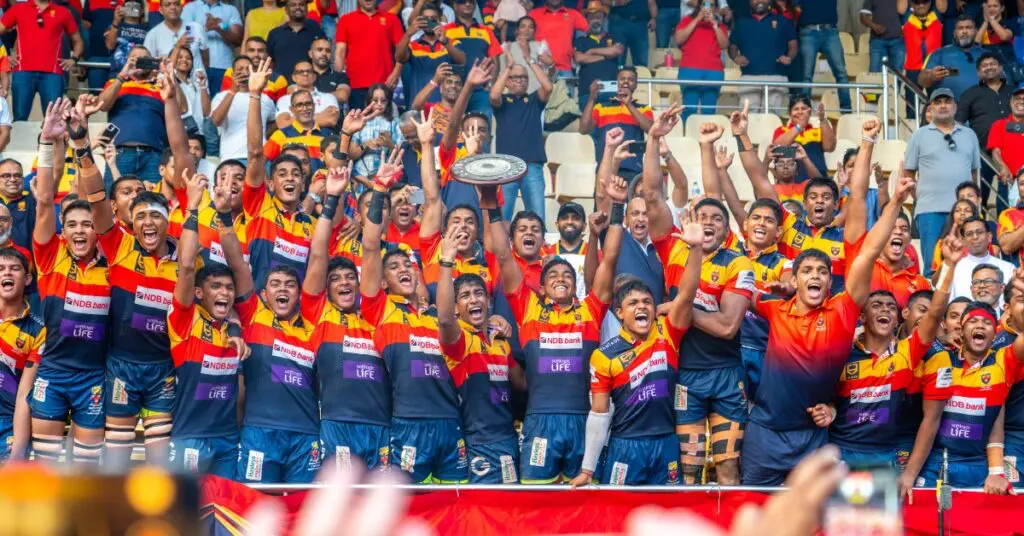
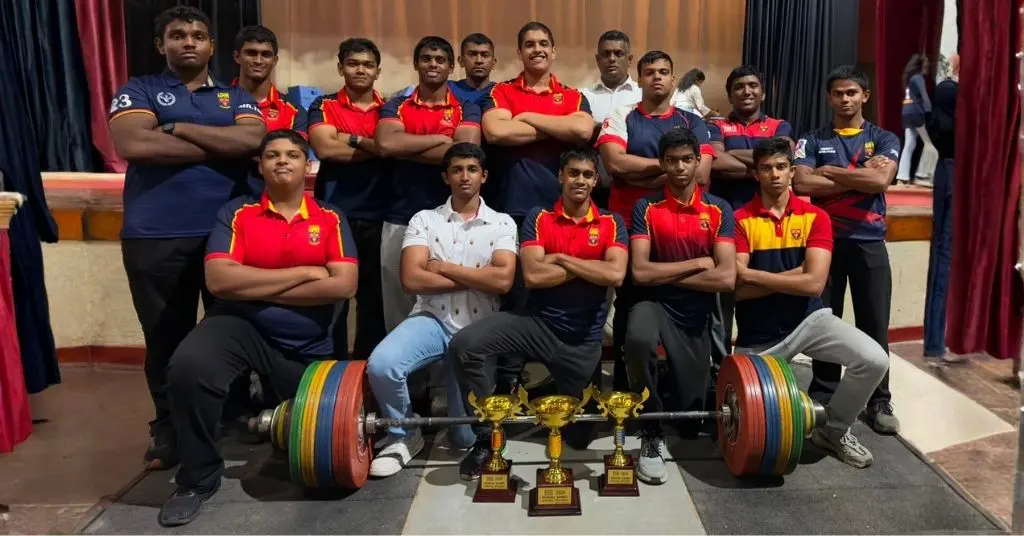
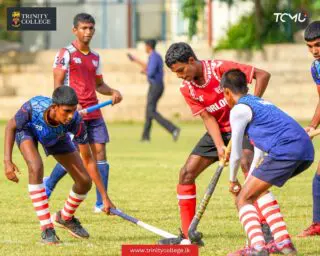
If there was one area where the renewal became particularly visible, however, it was sport. Fr. Araliya often spoke of the ‘Spirit of Lions’, the belief that sport should develop character before it develops champions. The results followed. Trinity cricket experienced a significant revival, including major Under-19 success in the 2022/23 season. Then came a significant moment in rugby. In 2025, Trinity became Dialog Schools Rugby League champions after a 38-year wait. For generations of Trinitians, Trinity rugby had been a story of remembered glory. A new generation was now experiencing success of its own.
Then came 2026. Trinity secured an outright victory in the 107th Battle of the Blues against St. Anthony’s College, followed by further rugby success and the reclamation of the Bradby Shield. Yet the deeper achievement of the Spirit of Lions was never supposed to be the trophy cabinet. It was what students learnt through competition: how to work with others, respond to defeat and represent their school with dignity.
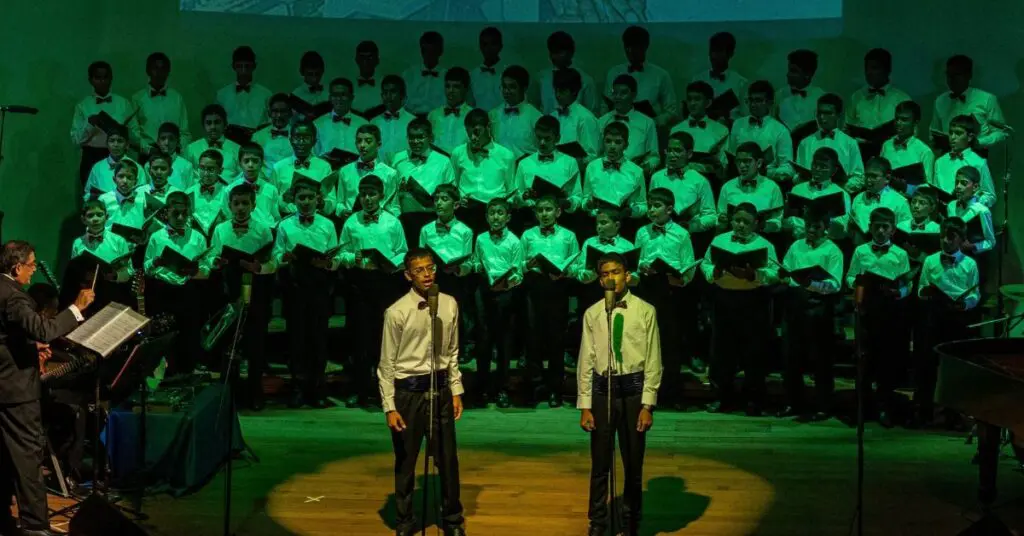
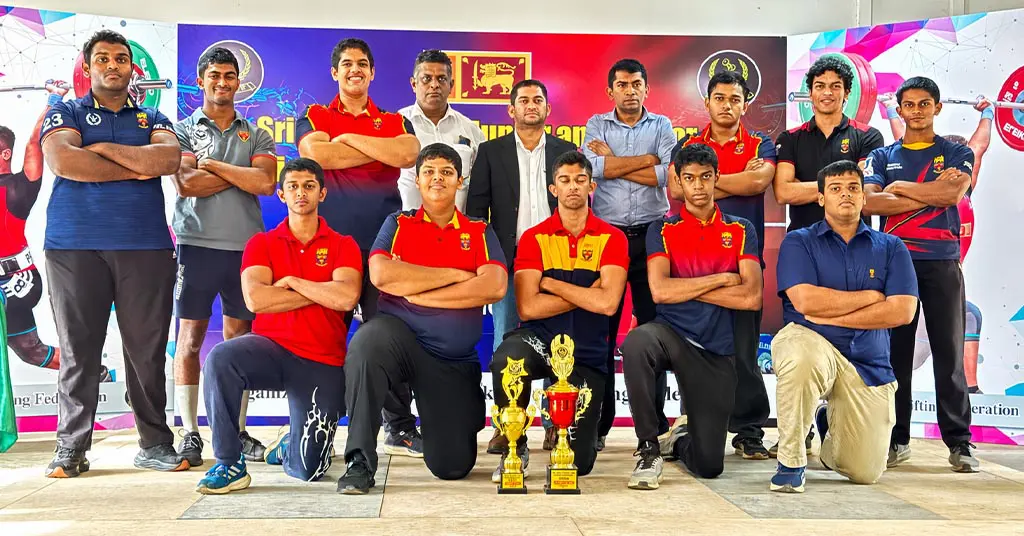
Fr. Araliya’s legacy cannot be measured through sport or buildings alone. The Trinity Co-Curricular Enrichment Initiative brought more than 30 clubs and societies into a broader framework, creating greater opportunities for leadership, creativity and service. Music, drama, dance, debating, astronomy, technopreneurship, research and the arts became part of a wider understanding of student life.
The message was that a student did not need to be the best mathematician, fastest runner or highest scorer to find his place at Trinity. There had to be a stage for him, an opportunity to discover his abilities, develop confidence and contribute to the wider community.
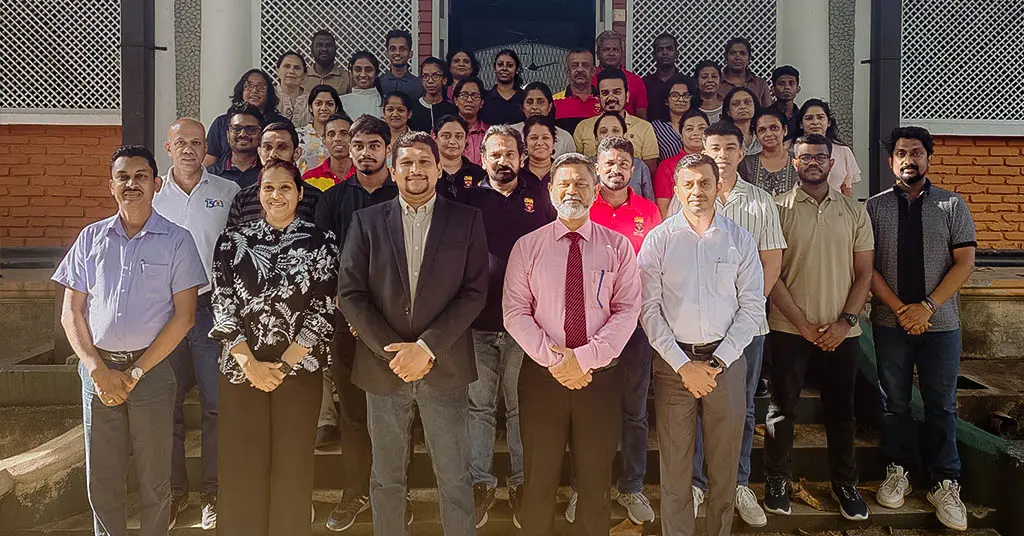
Perhaps the most important part of Fr. Araliya’s legacy is the part that cannot easily be photographed: the systems he tried to establish. His leadership placed emphasis on delegation, shared responsibility and stronger institutional structures. Faculty Heads, Directors and Coordinators were given greater ownership of their areas, reducing dependence on a single individual.
This was another practical expression of servant leadership. A leader does not need to be at the centre of every decision. Sometimes leadership means creating the conditions in which others can take responsibility, develop their abilities and contribute to the institution.
That distinction matters. A Principal can help a school succeed while he is there. A strong custodian builds a school that can continue to develop after he leaves. That was the deeper ambition: to leave Trinity stronger than he found it.
More than five years, however, cannot be remembered only through achievements. There were moments when the College faced difficult questions surrounding discipline, student conduct and institutional responsibility. In 2025 and 2026, Fr. Araliya publicly addressed disciplinary concerns and reminded students and parents that Trinity’s values had to remain meaningful when tested.
These moments revealed another dimension of his leadership. Vision is easy to proclaim when everything is going well. Values matter most when they become inconvenient. For Fr. Araliya, integrity, service, excellence and resilience were not simply words for ceremonies. They were standards by which the community was expected to live.
This is where his Christian understanding of leadership became particularly relevant. Christian leadership does not remove the need for standards or accountability. Rather, it asks that authority be exercised with responsibility, compassion and concern for the growth of others. To lead through service is not to avoid difficult decisions. It is to make them with the welfare and formation of the community in mind.
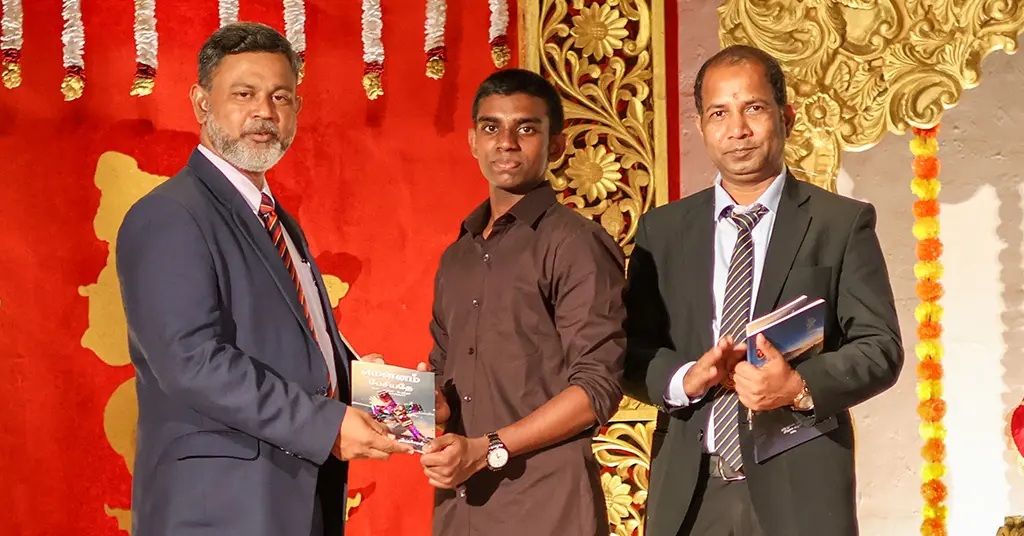
In 2025, Fr. Araliya was honoured with the School Leader of the Year – Asia award at the Pearson International School Teacher Awards. The recognition placed his work in Kandy on an international stage. But perhaps the greater recognition came from within Trinity itself, from the students who experienced him not simply as an administrator, but as a priest, educator and father figure.
The conversations before examinations, the encouragement after defeats and the willingness to listen are moments that rarely appear in official records, but often remain longest in memory. These quieter moments of leadership can matter as much as the visible achievements of a principalship.
In December 2025, Fr. Araliya was elected Conventual Prior of the Priory of St. Sylvester of the Sylvestro-Benedictine Congregation of Sri Lanka. It was this new religious responsibility that ultimately led to his decision to relinquish the principalship. The Board accepted the decision with respect for his vocation.
There is something fitting in this conclusion. A vocation is not an office to be possessed. It is a calling to be lived. Fr. Araliya’s decision placed his religious responsibility ahead of the continuation of his tenure as Principal. His departure therefore reflects the same principle of stewardship that shaped his leadership: the institution is entrusted to us for a time, but it does not belong to us.
A custodian does not cling to the office. He prepares the institution for the person who comes next.
So what does Fr. Araliya leave behind?
Restored buildings. New laboratories and learning spaces. A stronger digital presence. Greater emphasis on STEM, AI and innovation. A broader co-curricular framework. Sporting memories that will be repeated for generations. A restored Chapel. Stronger systems of leadership and governance. And a College entering its post-T150 era with its eyes firmly on the future.
But none of these, individually, is the legacy.
The deeper legacy is the philosophy beneath them: that Trinity should remember without becoming trapped by its past; that innovation should not require abandoning identity; that sport should build character; that education should extend beyond examinations; that leadership should mean service; that faith should be reflected in how one treats others; and that an institution should be stronger than the individual who temporarily leads it.
When Fr. Araliya was installed in 2020, the Chapel was unusually quiet. COVID prevented the wider Trinity family from gathering as it normally would. More than five years later, the circumstances are very different. The pandemic is a memory. T150 has passed. Buildings have been restored. New facilities have risen. Sporting droughts have ended. Students have competed, created, innovated and carried the Trinity name beyond Kandy.
Another Principal now stands in the Chapel. Another generation takes the field. Another group of students enters the classrooms, debates, sings, competes, creates and slowly discovers what it means to be a Trinitian.
That is the true test of a legacy. Not whether people remember the man who led, but whether the institution is better prepared for those who come after him.
Fr. Araliya returned to Trinity as one of her own. He leaves as her twentieth Principal, but also as a custodian who sought to strengthen what he inherited, preserve what mattered and prepare what came next.
Perhaps that is the heart of servant leadership: to lead without making leadership the destination; to build without needing to possess what has been built; to give others the opportunity to grow; and, when the time comes, to hand over what has been entrusted to you.
His words to the College Assembly in March 2026 perhaps provide the simplest measure of his philosophy:
“Trinity will remain.”
The Principal changes. The custodian moves on. The mission continues.
And the bell still rings.
Respice Finem.
__
Article by Rehan Anandakumar (Web Content Team)