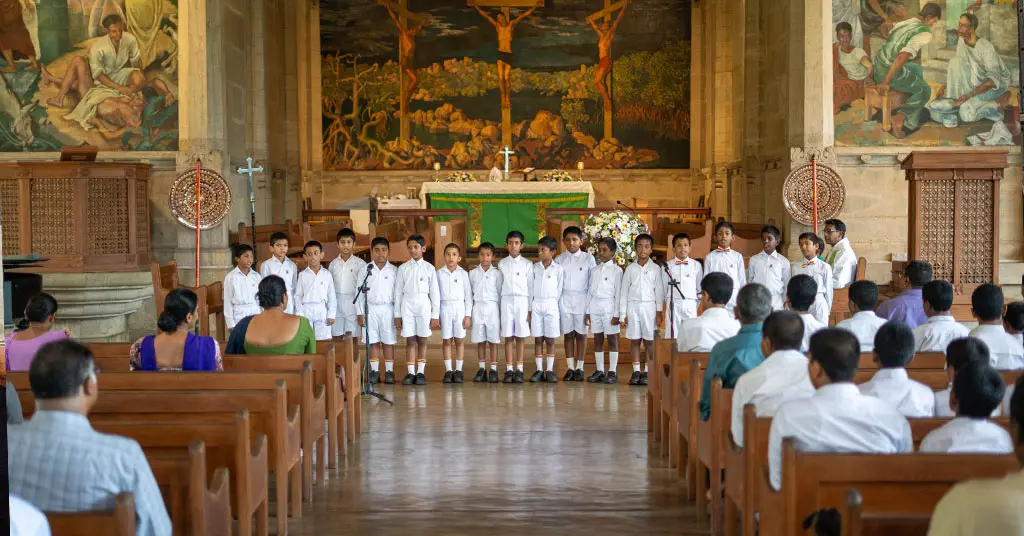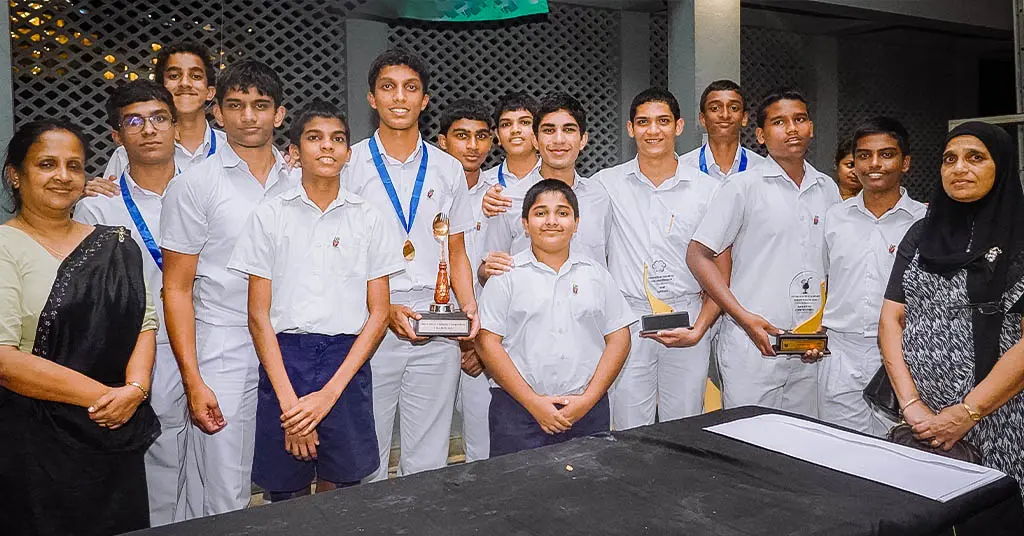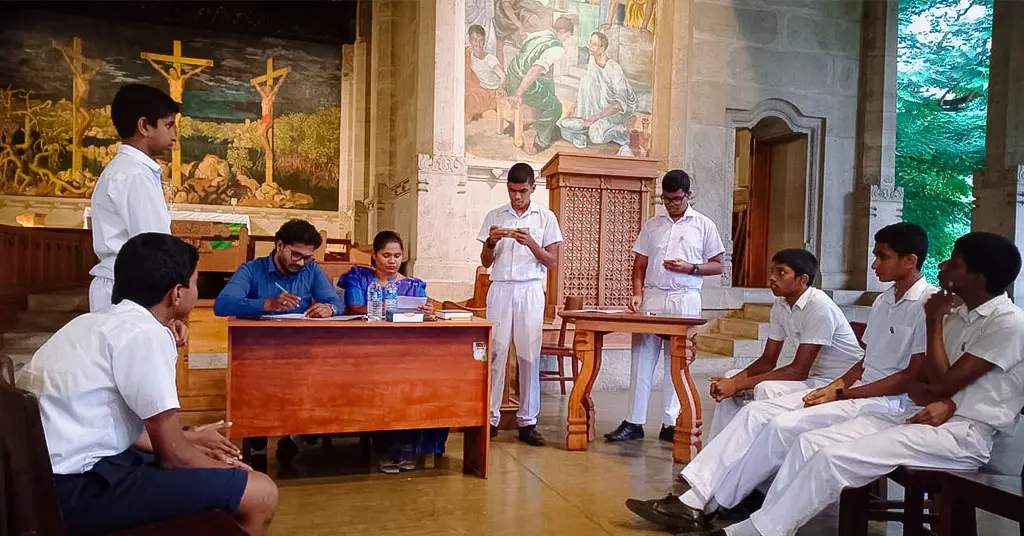










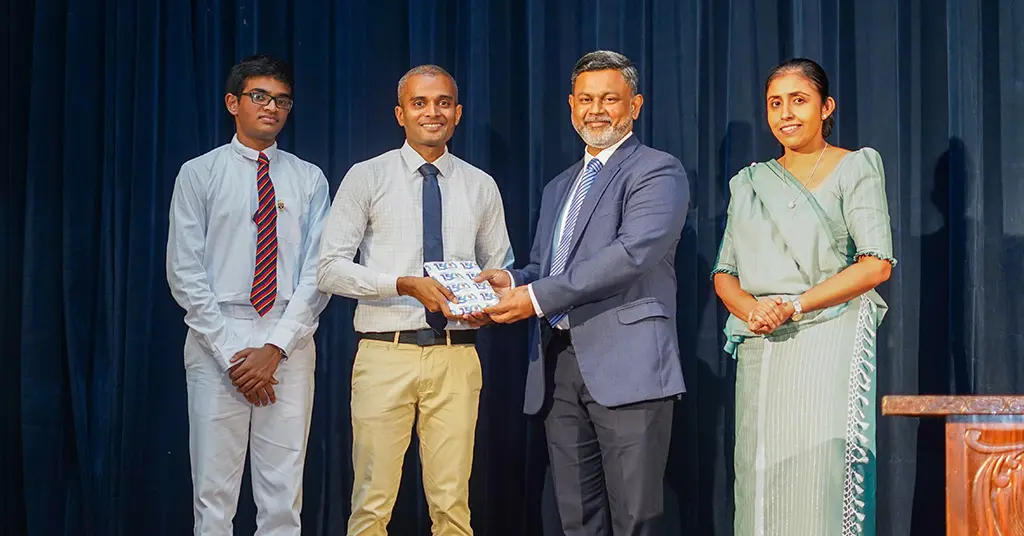
Hosted by the Environment Pioneer Brigade, Climate Week 2026 at Trinity College, Kandy brought together science, creativity and practical learning across five engaging days. Through competitions, expert-led workshops and inspiring talks, students deepened their understanding of climate change while exploring meaningful ways to contribute towards a more sustainable future.
The week began on Monday, 1 June, with a series of competitions held at the Middle School Laboratory, including an eco-poster competition, a ‘Trash to Treasure’ upcycling challenge, and a slogan writing competition. The enthusiastic participation reflected students’ growing commitment to environmental stewardship while showcasing their creativity and innovation.
On Tuesday, Dr Duminda Vidana Gamage, together with the Department of Soil Science, University of Peradeniya, conducted an engaging practical session on rocks and minerals. Students explored different mineral types, their everyday applications, and methods of identification before participating in an extended question-and-answer session and examining a range of geological specimens.
On Wednesday, Dr Sewwandi Chandrasekara delivered a keynote presentation on El Niño and the ocean’s influence on weather patterns. She explained the scientific processes behind El Niño, its impact on Sri Lanka, and practical, evidence-based measures that communities can take to adapt to changing climate conditions.
On Thursday, Dr Chandrasekara returned to facilitate an interactive Climate Fresk workshop, an internationally recognised educational programme that helps participants understand the complexity of climate systems through collaborative learning. The workshop made climate science more accessible and encouraged students to think critically about practical climate solutions.
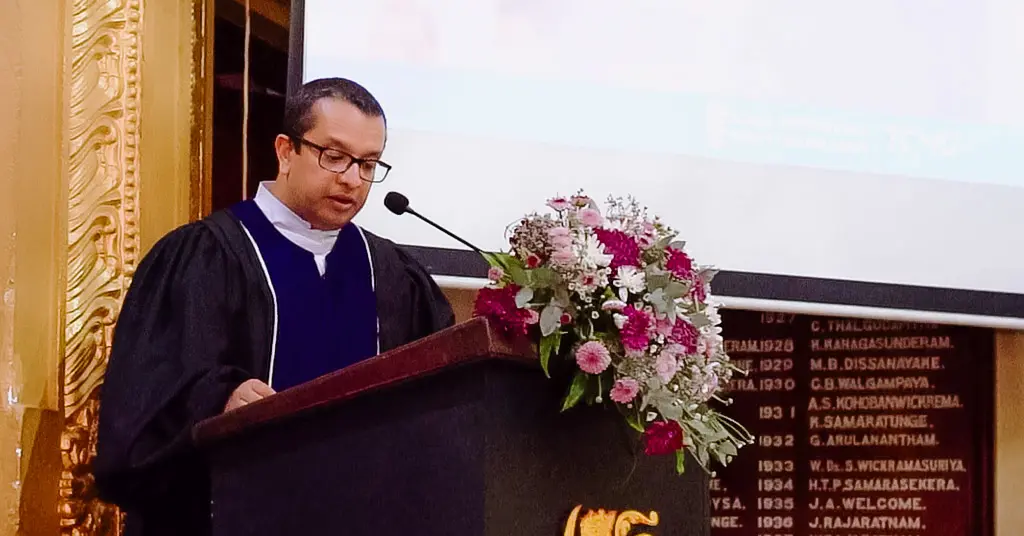
Climate Week concluded with a special assembly address by economist Dr Senal Weerasooriya, who examined the economic impacts of climate change, including its effects on prices, livelihoods and household budgets. His presentation broadened students’ understanding of climate change by highlighting its social and economic consequences alongside its environmental impact.
As Climate Week marked its fourth consecutive year at the College, it once again demonstrated Trinity’s commitment to environmental education and student engagement.
The College extends its sincere appreciation to the College Management, the Director of the Trinity College Co-Curricular Enrichment Initiative, Mr Wasana Dissanayake, and the Teachers-in-Charge of the Environment Pioneer Brigade, Mrs Nimesha Wimalasena and Mrs Malithi Jayasinghe, for their continued support in making this initiative possible.